
Elemental analysis
Whether it’s alloy testing, damage analysis, or PFAS screening, elemental analysis provides important information about a material’s chemical composition. It helps detect contaminants, clearly identify materials, and pinpoint the causes of damage or quality deviations.
Table of Contents
Contact us –
expert support is just a conversation away.
Using state-of-the-art analytical methods, we assist you with quality issues, damage claims, and development challenges – providing precise, well-founded, and solution-oriented support.

What is elemental analysis?
Elemental analysis is a method used in analytical chemistry to qualitatively and quantitatively determine the chemical elements present in a sample. It identifies which elements—such as iron, copper, chlorine, or sulfur—are present and in what concentrations.
In contrast to molecular analysis, elemental analysis focuses exclusively on the elemental composition of a material. The method is used, among other things, to evaluate alloys, detect impurities, or investigate the causes of damage.
Qualitative and Quantitative Elemental Analysis
Qualitative elemental analysis identifies which elements are present in a sample. Quantitative elemental analysis additionally determines the concentration of the individual elements—usually in terms of mass fractions, concentrations, or trace levels. In practice, many methods provide both types of information simultaneously.
Organic or inorganic – depending on the sample type
Furthermore, a distinction is made between organic and inorganic elemental analysis. Organic elemental analysis focuses on carbon compounds and is used to determine typical elements such as carbon, hydrogen, nitrogen, oxygen, or sulfur.
Inorganic elemental analysis, on the other hand, focuses on elements outside the realm of organic chemistry—such as metals, semimetals, halogens, and inorganically bound nonmetals. In technical and industrial applications, it is usually the primary focus, for example in materials testing, residue analysis, or process monitoring.
Why is an elemental analysis performed?
Elemental analysis provides fundamental information about the chemical composition of a material. It is often the first step in classifying an unknown material, assessing the quality of a material, or identifying the cause of deviations. Even if a product shows no outward signs of abnormality, its elemental composition can be critical to its function, safety, or compliance.
Material Characterization and Quality Assurance
In materials science, elemental analysis is used to verify whether materials meet the required specifications. It is therefore a key tool for quality assurance. Particularly for metallic materials, it provides precise information about the alloy composition as well as about undesirable accompanying elements or impurities that can affect a product’s function or service life.
Damage and Root Cause Analysis
In cases of damage to components or assemblies, elemental analysis helps to examine residues, corrosion products, or changes in material composition. This makes it possible to identify damaging influences such as chlorine or sulfur and to detect deviations from the target composition. In damage analysis, elemental analysis is therefore closely linked to microscopic, spectroscopic, and mechanical testing methods.
Conformity testing and regulatory requirements
Elemental analysis is also an important tool when determining whether a product complies with specific limit values or meets standard requirements. It plays a central role in ensuring compliance with regulations such as RoHS, REACH, or the EU Packaging Directive. It enables the detection or exclusion of regulated elements such as halogens or heavy metals.
Elemental analysis
at Quality Analysis
Identify elements, understand causes
- Determination of the chemical composition of materials
- Analysis of corrosion products and damage residues
- Detection of impurities and contaminants
- Verification of alloys and material specifications
- Trace analysis in the ppm range
- Elemental distribution analysis using SEM-EDX
- Multi-element analysis using ICP-OES
- Halogen analysis using combustion ion chromatography (CIC)
- Minimally destructive testing using X-ray fluorescence analysis (XRF)
- Support for damage analysis and quality assurance
Methods of Elementary analysis
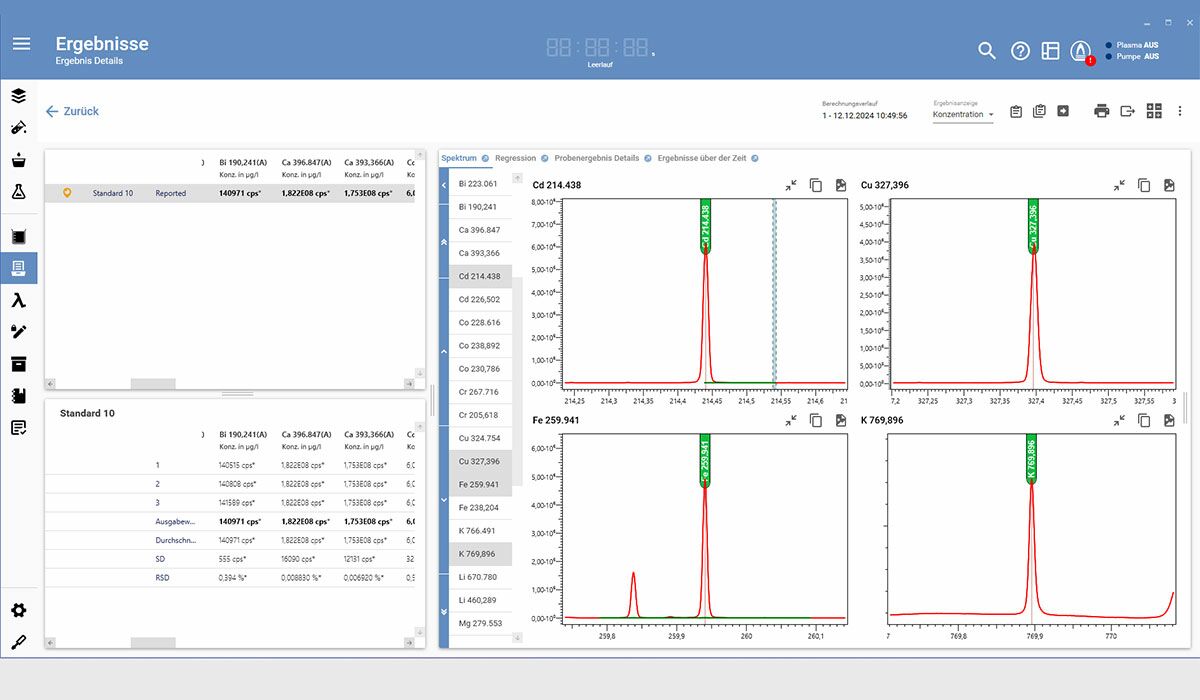
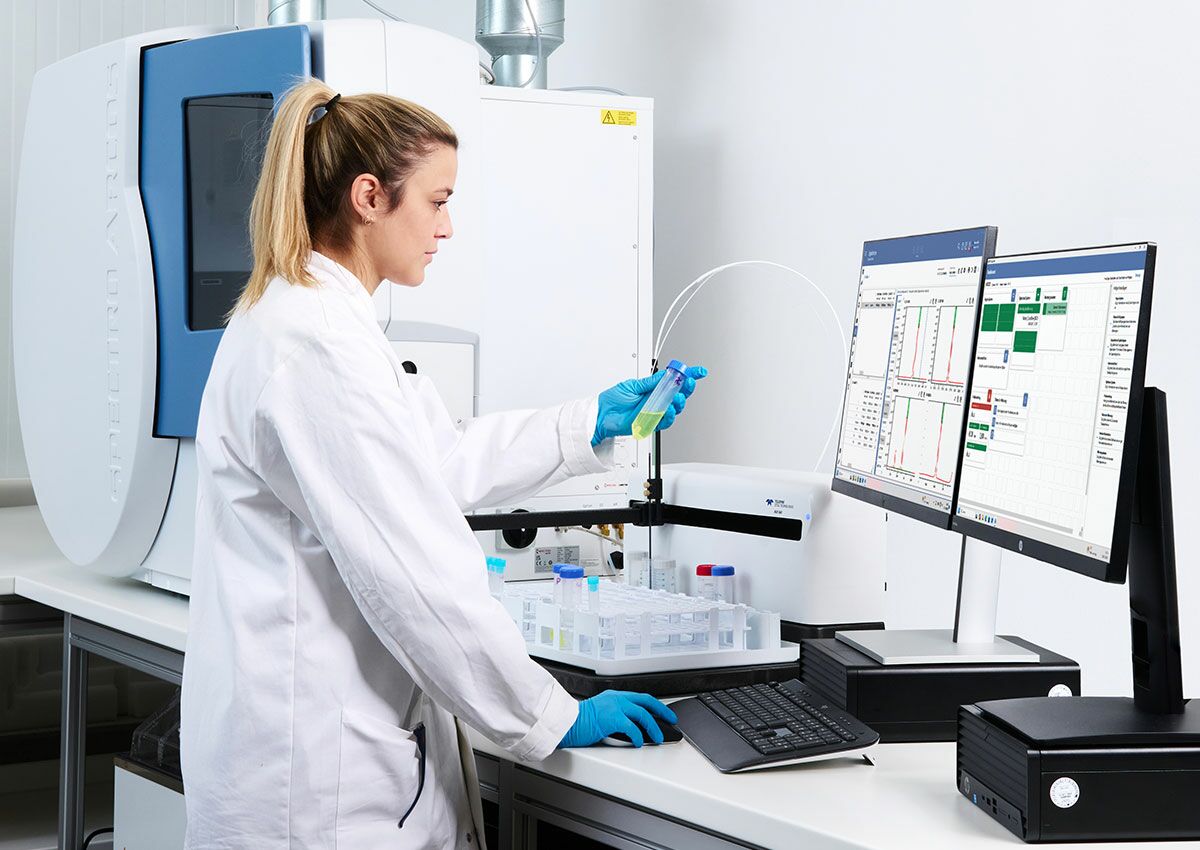
Optical emission spectroscopy with inductively coupled plasma (ICP-OES)
ICP-OES is used for the simultaneous determination of many elements in liquid samples; solid materials are usually converted into solution beforehand through acid digestion. In the plasma, the atoms are excited and emit characteristic light spectra, which enable quantitative analysis.
Typical applications include materials, corrosion products, residues, and process water. The method is characterized by high sensitivity and is particularly suitable for multi-element analysis.
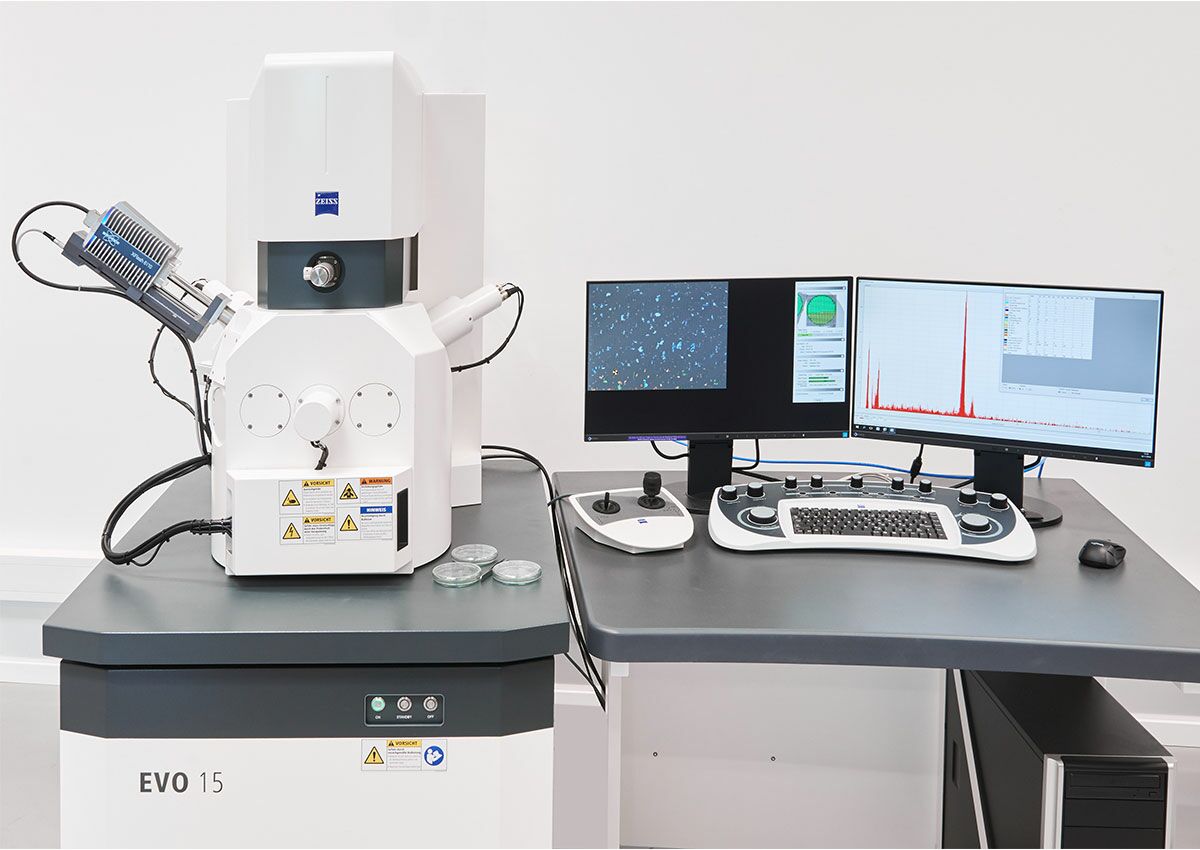
Scanning electron microscopy with energy-dispersive X-ray spectroscopy (SEM-EDX)
SEM-EDX combines high-resolution surface images with localized elemental analysis. This allows for the precise determination of the chemical composition of individual particles, residues, or layers.
The method is particularly suitable for damaged areas, fracture surfaces, and foreign particles and is frequently used in technical cleanliness verification (VDA 19.1 & ISO 16232), for example, in the evaluation of metallic or mineral particles.
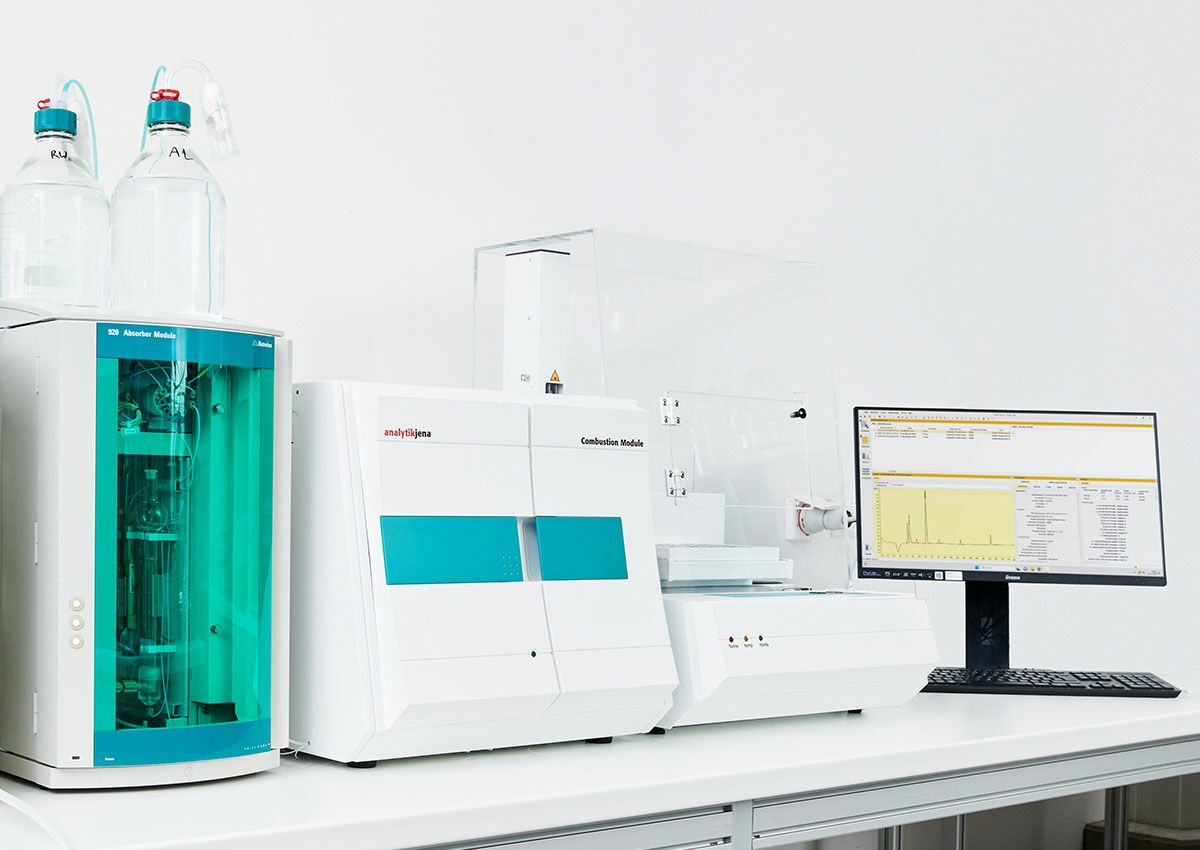
Combustion Ion Chromatography (CIC)
CIC is used to determine halogens such as fluorine, chlorine, and bromine, as well as sulfur and sum parameters such as AOX, EOX, TF, AOF, EOF, or TOF.
It is suitable for solid, liquid, and paste-like samples. After high-temperature combustion, the resulting compounds are collected and analyzed by ion chromatography. This allows for the reliable determination of the total load of halogenated substances and sulfur.
Typical applications include packaging materials, residues on components, and process media, as well as their evaluation for halogen-free status and PFAS screening.
X-ray fluorescence analysis (XRF)
X-ray fluorescence (XRF) is a non-destructive method for rapidly determining the elemental composition of materials and coating systems, particularly metals, alloys, ceramics, powders, and coated surfaces.
Excitation with X-rays produces characteristic fluorescence signals that enable qualitative and quantitative analysis.
Optical Emission Spectroscopy (OES)
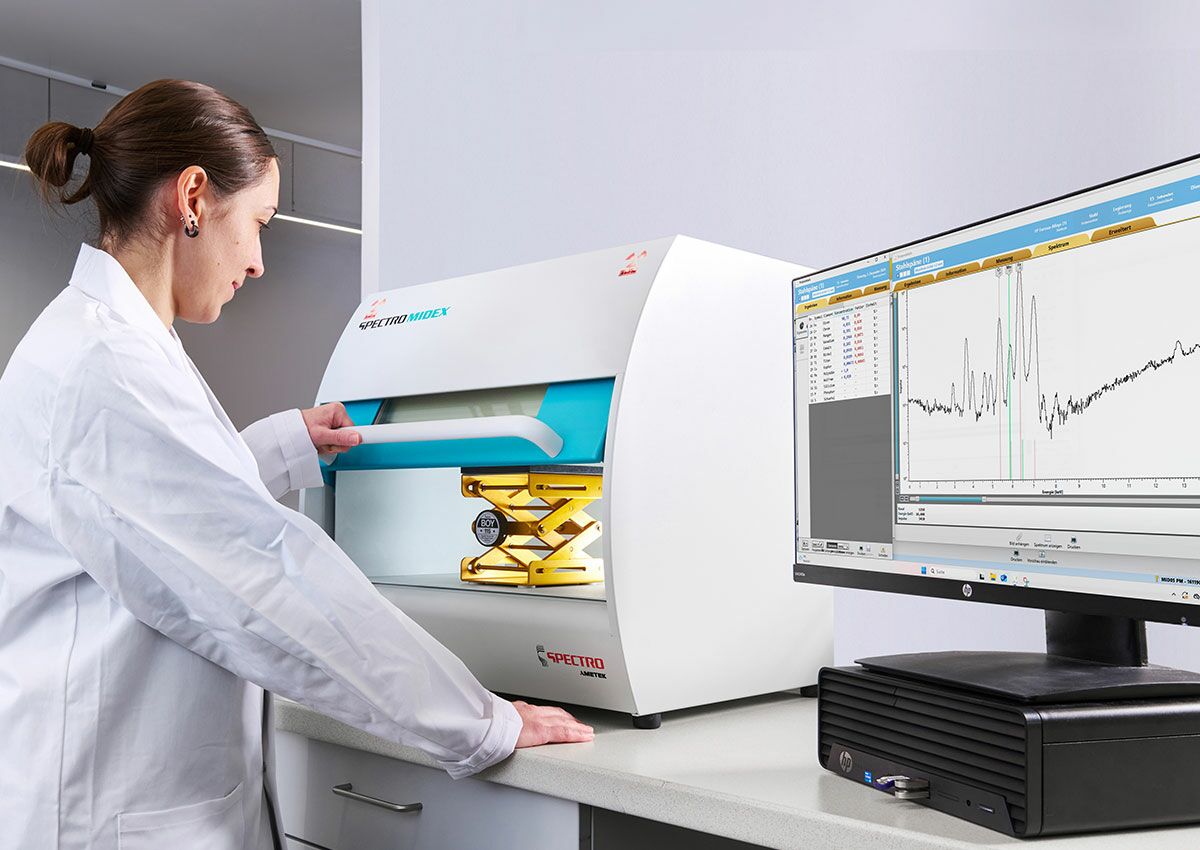
Optical or spark emission spectroscopy (OES) is used for the rapid and precise determination of the elemental composition of metals and alloys. An electric spark excites the sample surface, producing characteristic emission spectra that are quantitatively analyzed. The method enables the classification of material grades based on standards, steel codes, or customer specifications and is primarily used in quality control.
Anwendung 6
Lorem ipsum dolor sit amet, consetetur sadipscing elitr, sed diam nonumy eirmod tempor invidunt ut labore et dolore magna aliquyam erat, sed diam voluptua. At vero eos et accusam et justo duo dolores et ea rebum.

Flächenrauheit
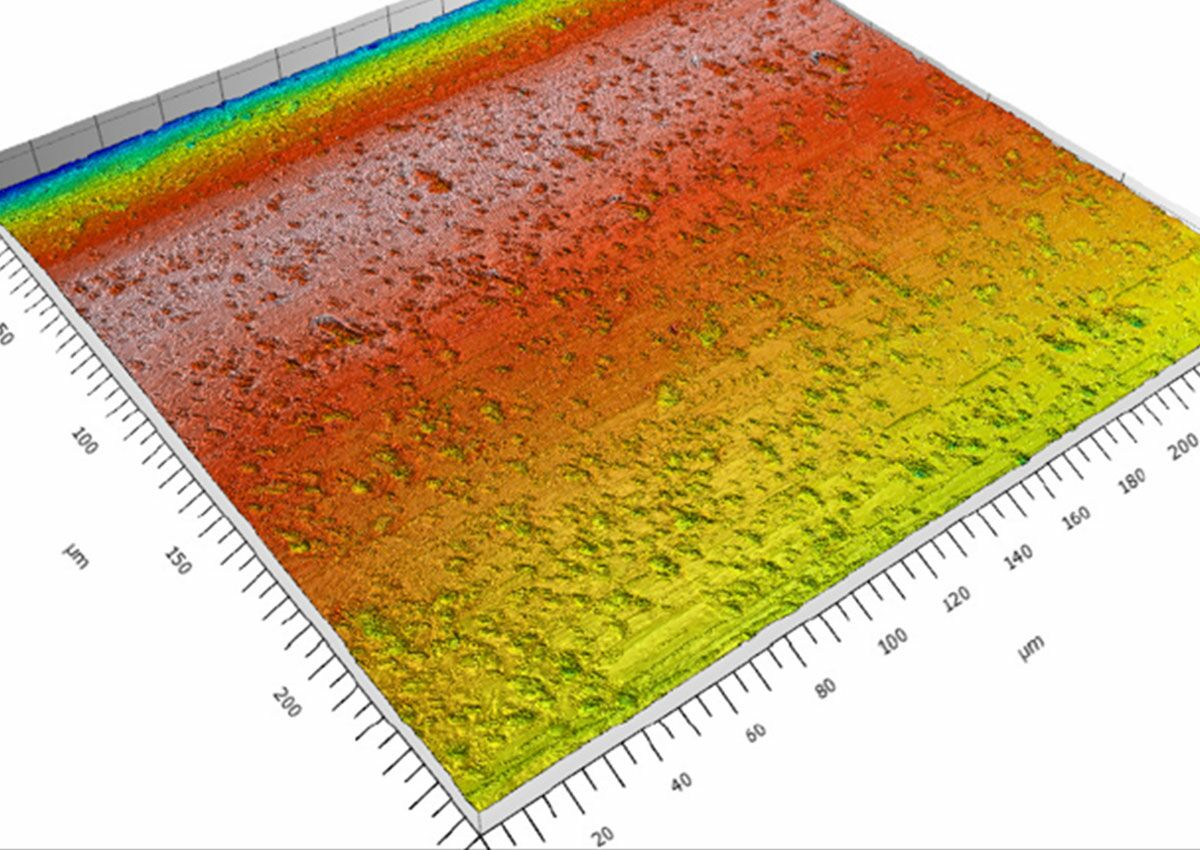
Mit dem Laser-Scanning-Mikroskop untersuchen wir berührungslos die Oberflächenrauheit und -topografie von Metallen, Polymeren, Halbleitern, Keramiken, Mehrschichtsystemen u.v.m. So können wir die Qualität und Funktionsfähigkeit der Oberflächen sowie einen evtl. Materialverschleiß und Vertiefungen bewerten und dreidimensional darstellen.
Beschichtungen
Zur Untersuchung von Schutz- und Funktionsschichten setzen wir zahlreiche Analysetechniken ein, um die Schichtdicke, die Fusionslinie, die Oberflächentopografie, die Rauheit, die Mikrohärte u.v.m. zu bestimmen. Auch eine Begutachtung der Beschichtungsoberfläche und Bestimmung der Materialzusammensetzung der Beschichtung ist möglich.
Schichtdickenmessung
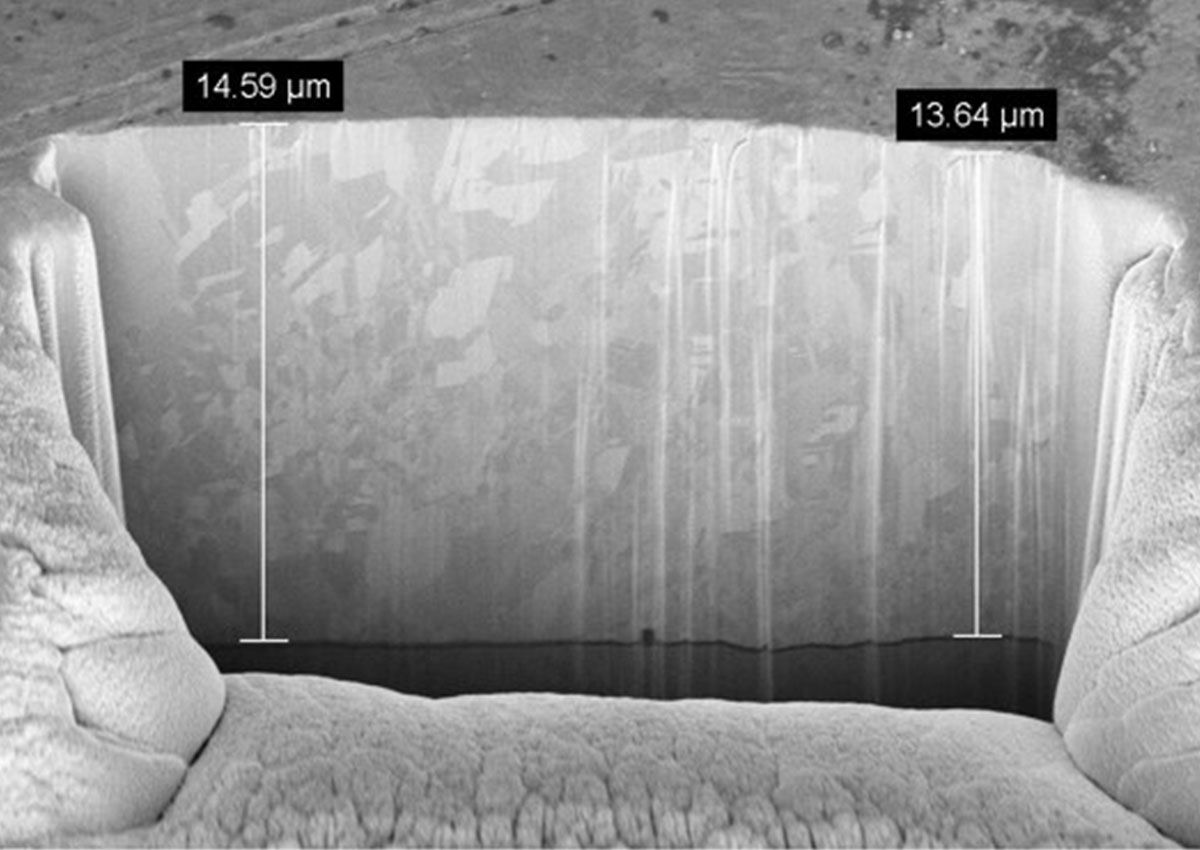
Die Schichtdickenmessung zusammengesetzter Polymere kann ebenfalls mit dem Laser-Scanning-Mikroskop mit einer Auflösung im Bereich weniger Nanometer erfolgen. Auch eine dreidimensionale Darstellung der einzelnen Schichten des jeweiligen Werkstücks ist mit dieser bewährten Untersuchungsmethode zuverlässig und mit hoher Genauigkeit möglich.
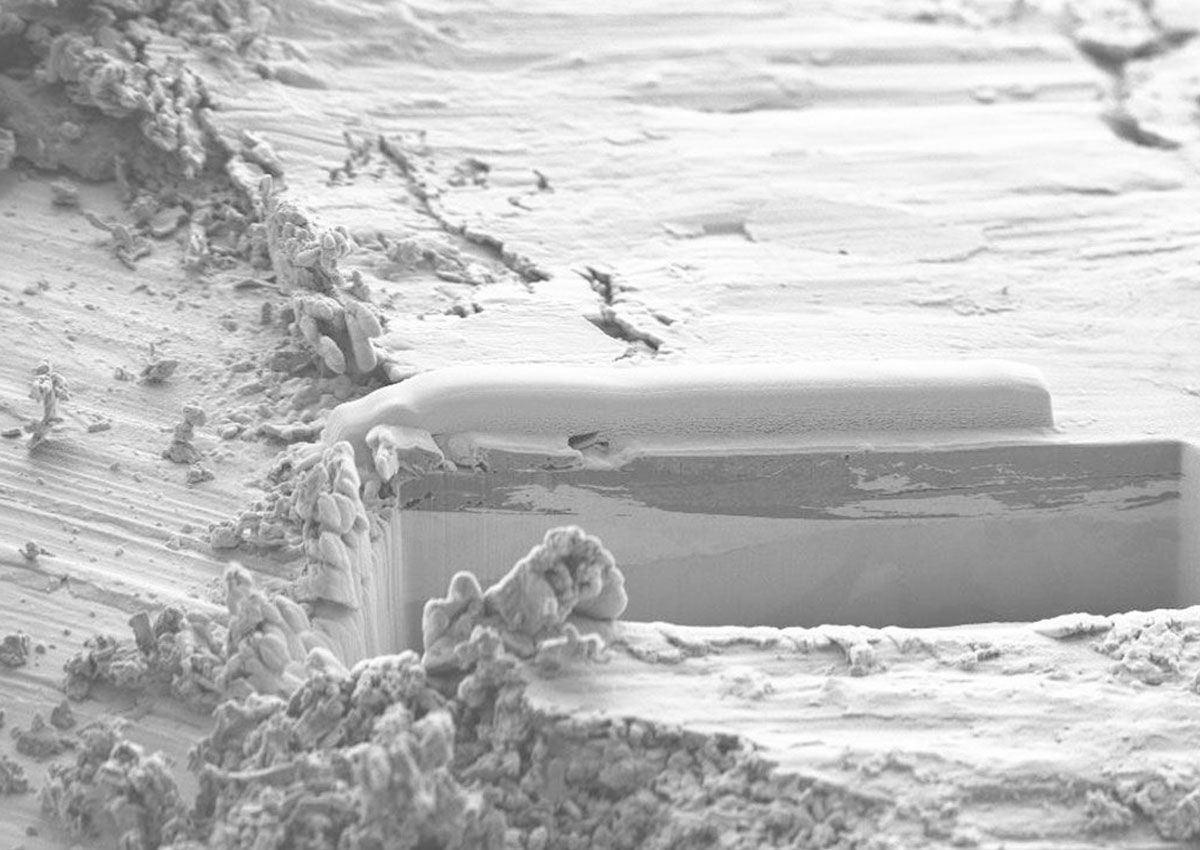
Rasterelektronenmikroskopie
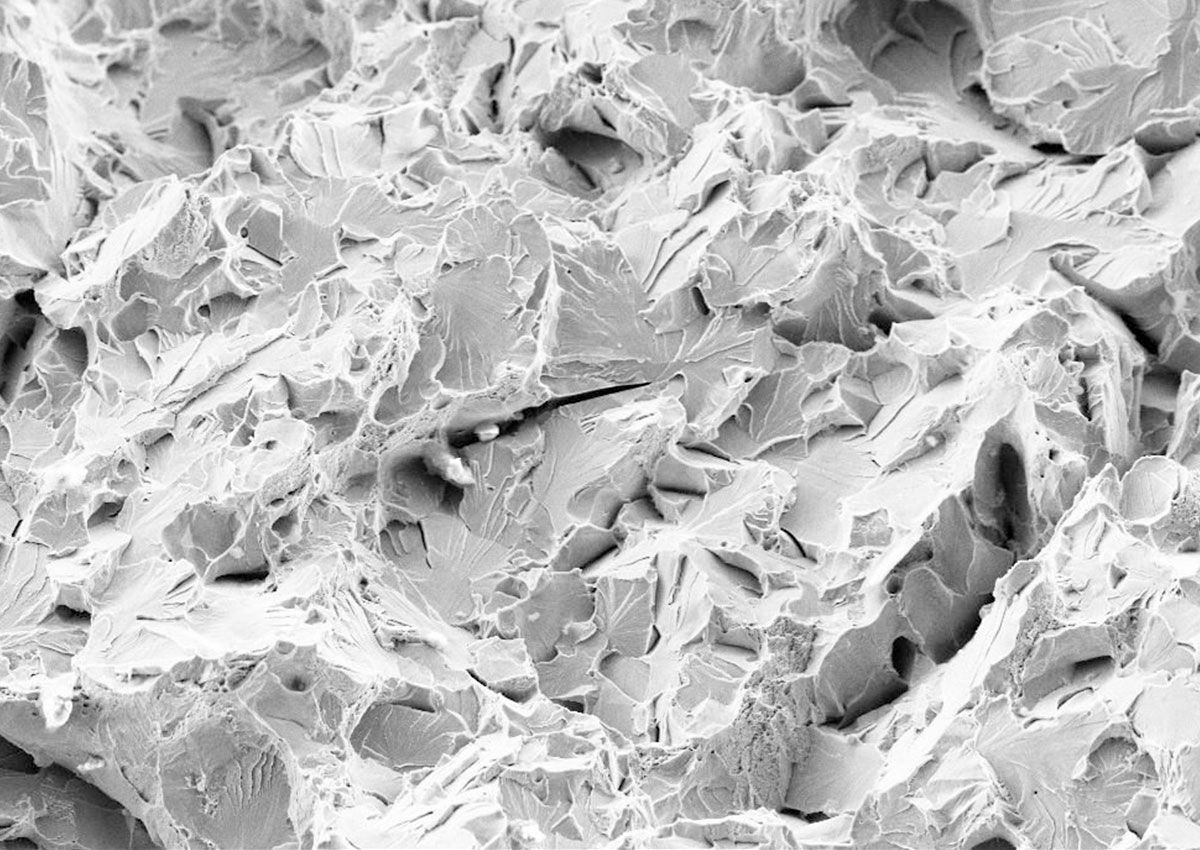
Die Rasterelektronenmikroskopie ermöglicht eine hochauflösende und dreidimensionale Darstellung von Oberflächen und Strukturen sowie die Bestimmung der chemischen Zusammensetzung der Probe (EDX-Analyse). Die FIB-SEM-Mikroskopie erlaubt Probenpräparationen im Nanomaßstab zur Tiefenanalyse von Gefügestrukturen und Beschichtungen.
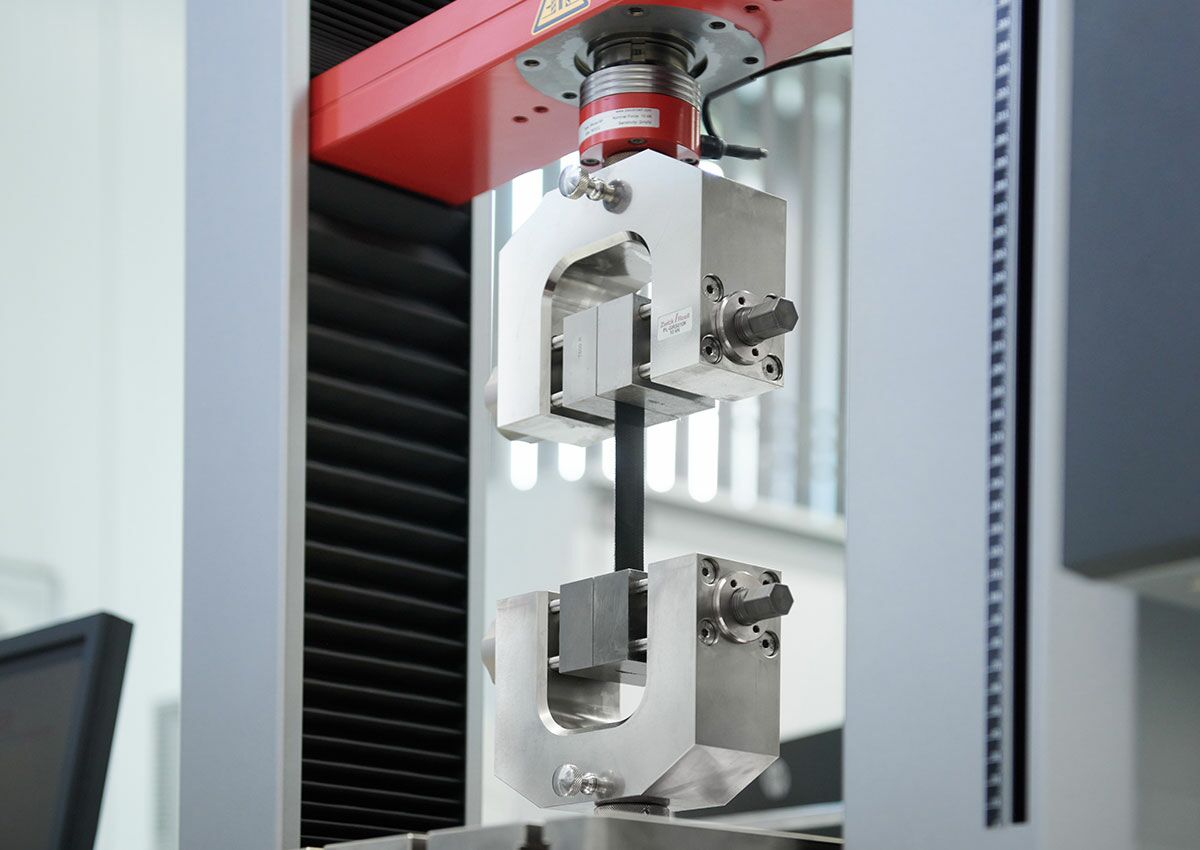
Zug- / Druck- / Biegeprüfung
Die Zug-, Druck- und Biegeprüfung gehören zum klassischen Repertoire der zerstörenden Werkstoffprüfung. Mit modernen Prüfeinrichtungen, einer umfassenden Kenntnis der relevanten Regelwerke und viel praktischer Erfahrung sorgen unsere Experten für die korrekte Durchführung der einzelnen Prüfungen.
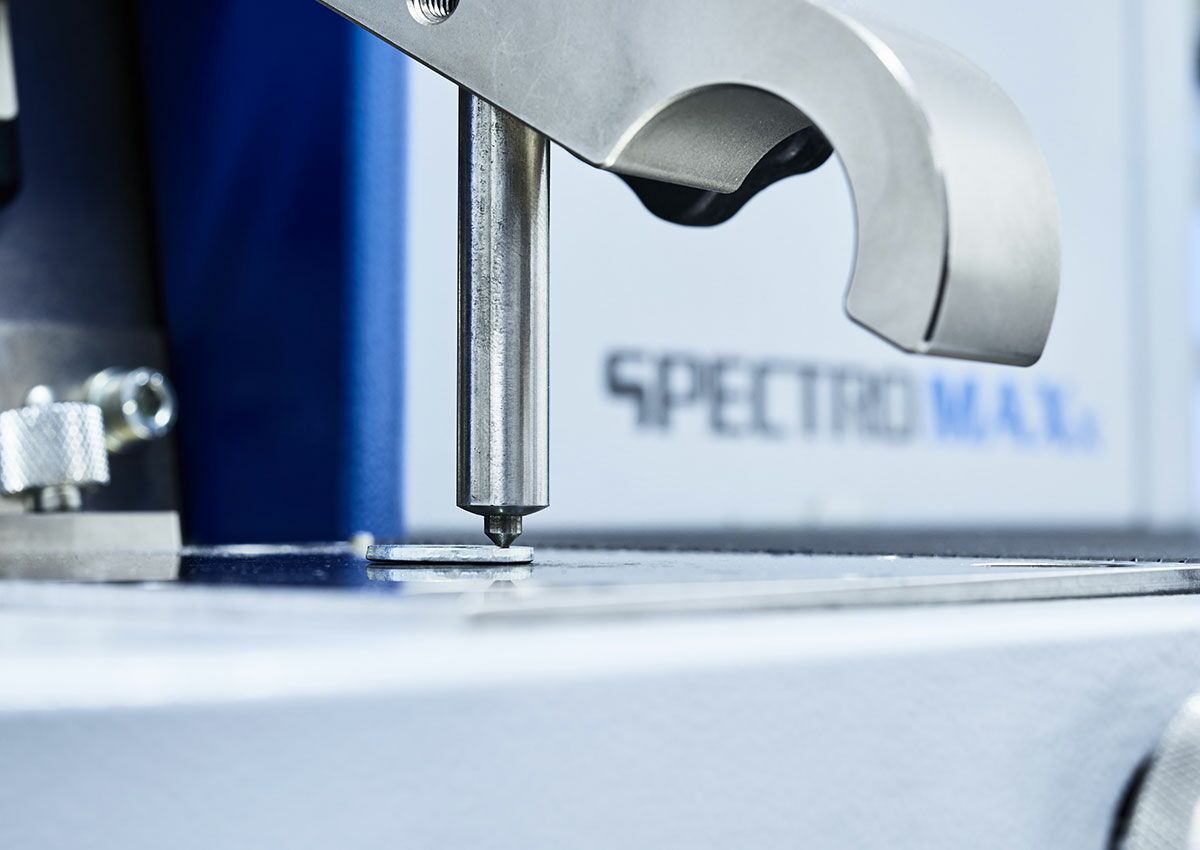
Legierungszusammensetzung (OES)
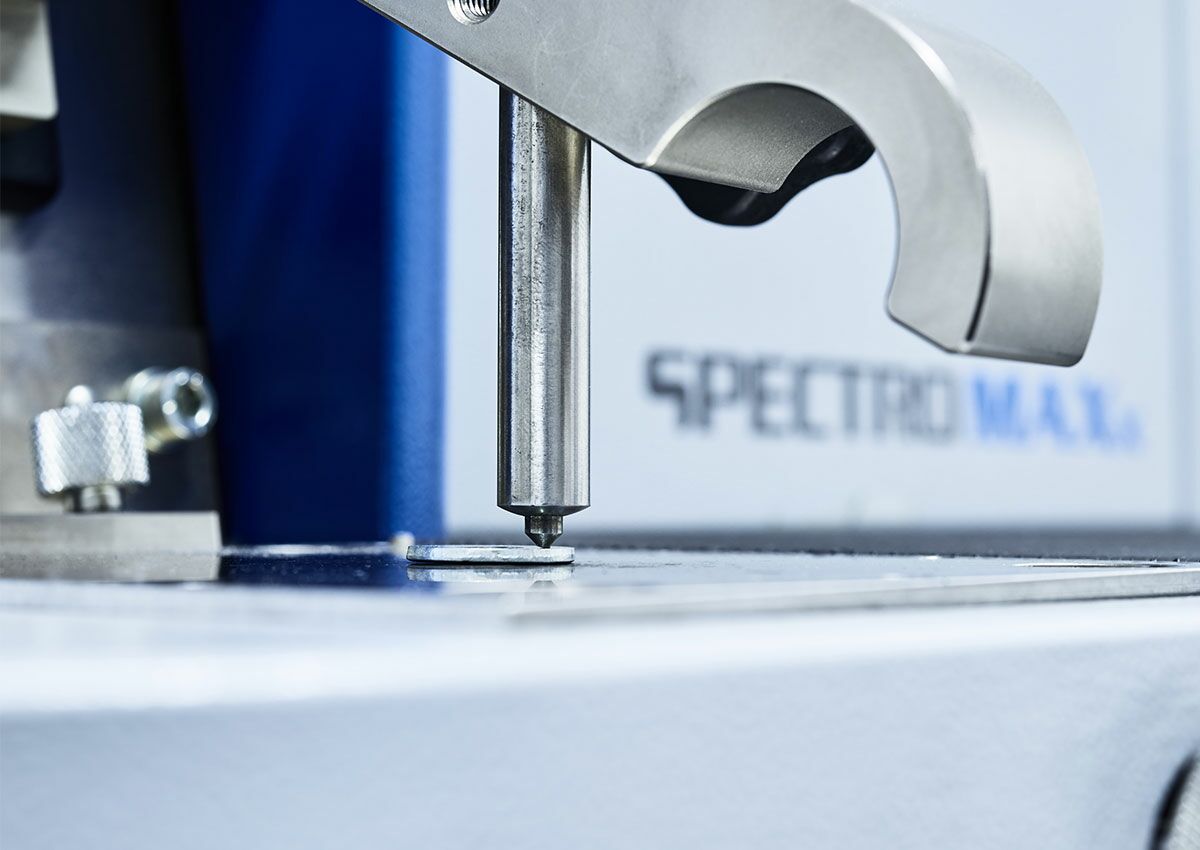
Mittels der Funkenemissionsspektroskopie (OES) untersuchen wir einzelne Legierungselemente wie Eisen, Aluminium, Kupfer, Zink, Magnesium, Titan, Kobalt oder Nickel qualitativ und quantitativ auf ihre Zusammensetzung. Diese wird mit den in Normen und im Stahlschlüssel aufgelisteten Grenzwerten oder Ihren eigenen Vorgaben abgeglichen und bewertet.
Typical applications of elemental analysis in practice
Elemental analysis is used in numerous technical and industrial applications and is a key tool for quality assurance, troubleshooting, and regulatory assessments.
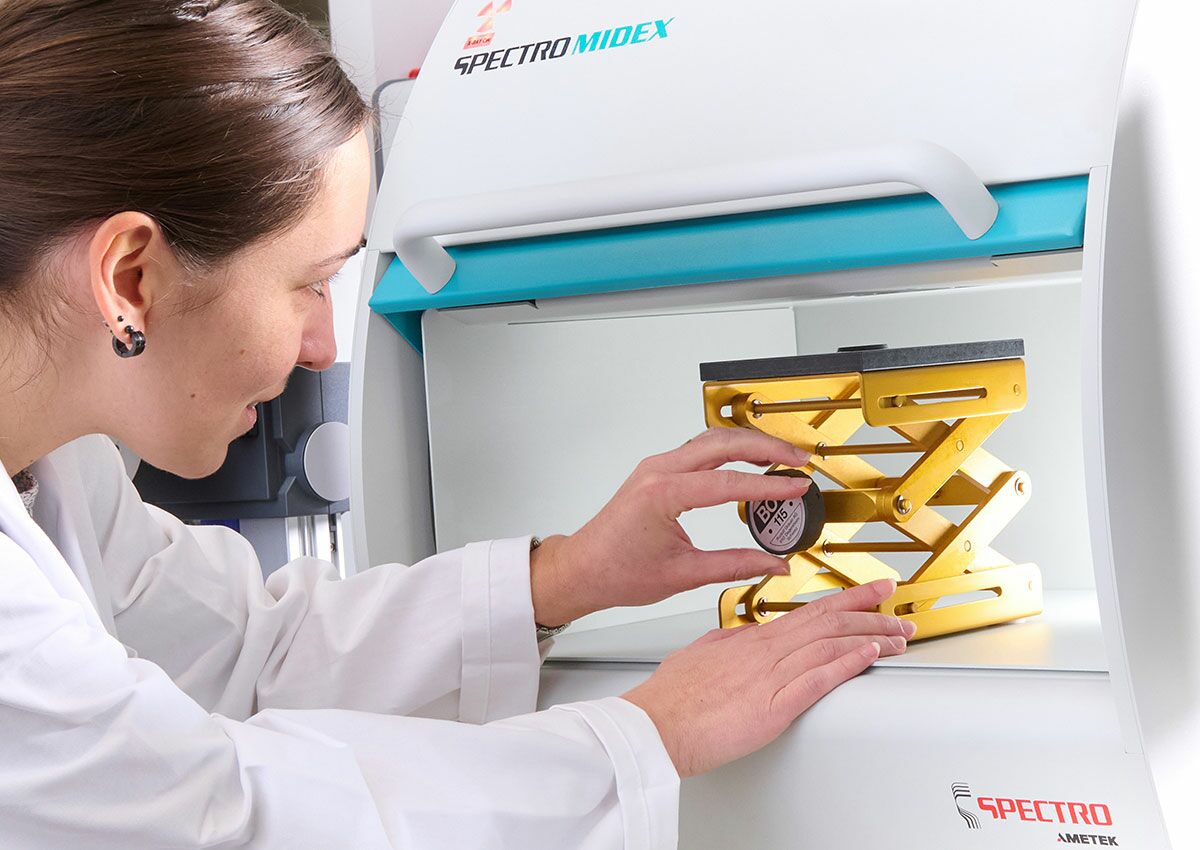
Material testing and alloy analysis
Elemental analysis is used to verify alloy compositions, such as in steel, aluminum, or copper materials. It helps match materials to specifications and detect deviations early on, for example during incoming goods inspection or supplier qualification.
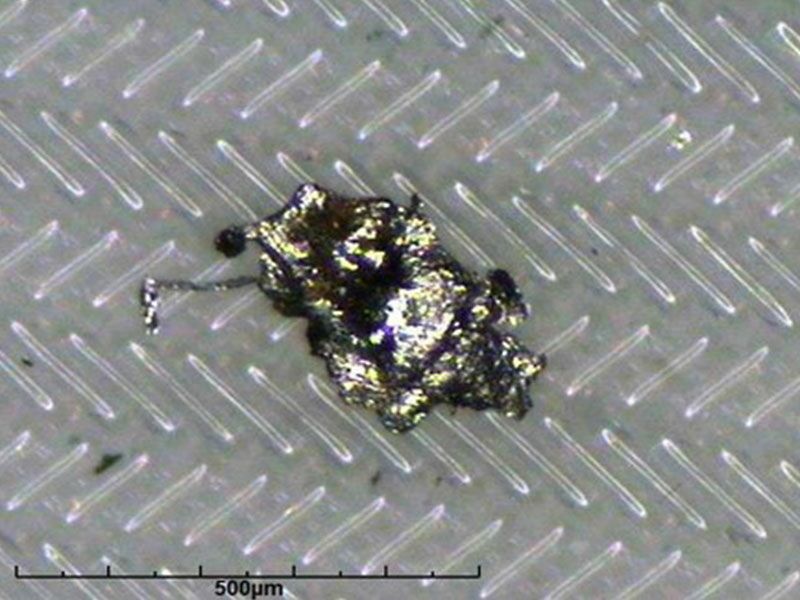
Evaluation of particles, residues, and deposits
In technical cleanliness applications, elemental analysis is used to identify particles or residues on components. This allows for distinguishing between metallic abrasion, corrosion products, and environmental contaminants.
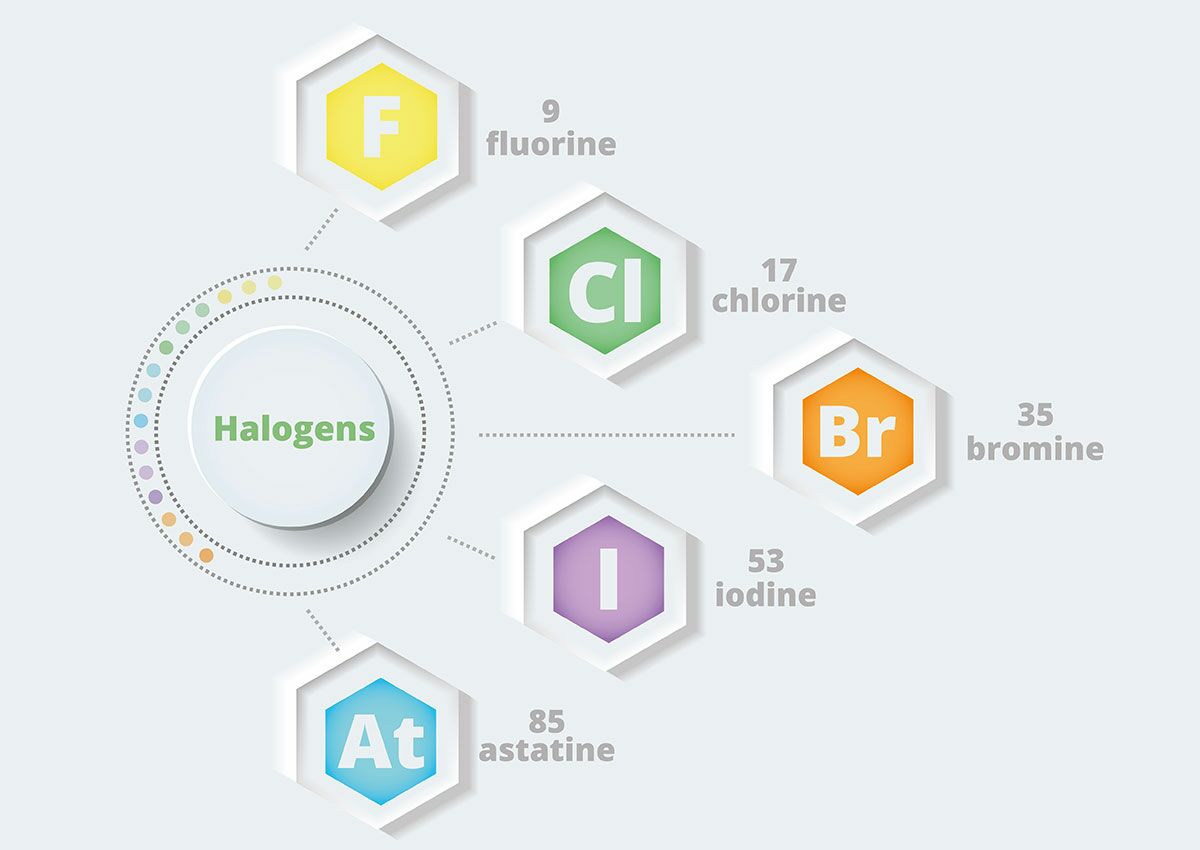
Testing for halogens, heavy metals, andregulated substances
For packaging, plastics, or process media, elemental analysis is used to ensure compliance with regulatory requirements. Halogens, heavy metals, or fluorine-related total parameters can be reliably detected or evaluated, for example, as part of PFAS screenings.
Frequently asked questions about elemental analysis
The following FAQs provide a concise overview of the key fundamentals and applications of elemental analysis.
Elemental analysis is a method used in analytical chemistry to identify chemical elements in a sample. It reveals which elements are present and in what concentrations. The method is used in applications such as materials testing, failure analysis, and quality assurance.
Depending on the method used, numerous chemical elements can be detected—including metals such as iron, aluminum, or copper, as well as nonmetals such as sulfur, chlorine, or fluorine.
In organic elemental analysis, the so-called CHNOS elements are frequently determined:
- Carbon (C)
- Hydrogen (H)
- Nitrogen (N)
- Oxygen (O)
- Sulfur (S)
Qualitative elemental analysis identifies which elements are present in a sample. Quantitative elemental analysis additionally determines their concentration or percentage composition.
Elemental analysis is suitable for numerous materials and sample types—such as metals, plastics, coatings, powders, liquids, residues, or corrosion products. Even complex technical components and particles can be analyzed.
Elemental analysis is used for applications such as materials testing, defect analysis, purity assessment, alloy analysis, and quality control. It also supports regulatory assessments, such as those conducted under RoHS, REACH, or PFAS testing.
At a glance:
Why elemental analysis is indispensable
Elemental analysis provides fundamental information about the composition of materials, residues, and functional materials. It not only enables the identification and quantification of individual elements, but also supports compliance with regulatory requirements, the investigation of the causes of damage, and the assessment of product quality.