

Testing and Analyzing Toys and Baby Products
Quality Analysis supports manufacturers, importers, and retailers with analytical testing of toys, baby products, and children’s products. We examine materials and relevant ingredients, conduct selected tests in accordance with EN 71 , and provide support in cases of quality deviations, complaints, incoming goods inspections, and independent re-testing.
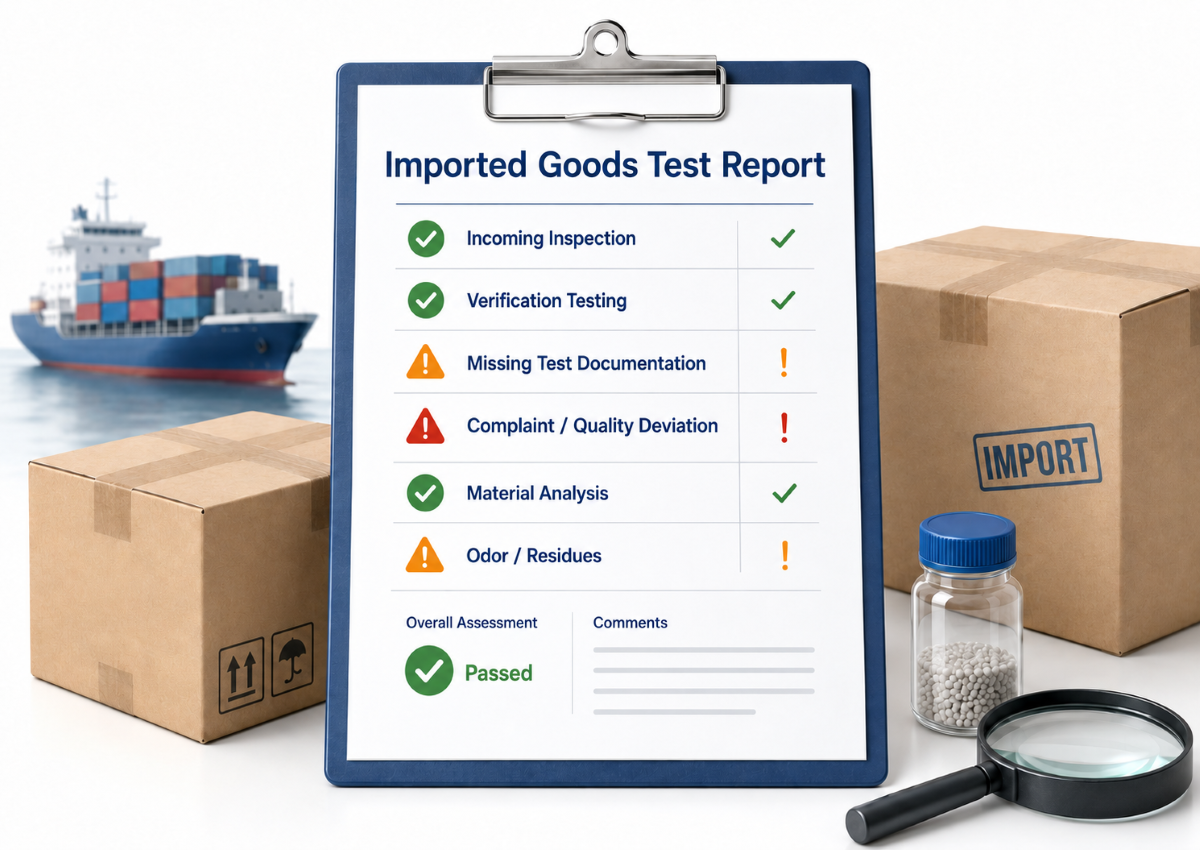
Typical Testing and Customer Scenarios
- Incoming goods inspection of imported goods
- Independent secondary or follow-up inspection
- Missing or incomplete test reports
- Complaints or product recalls on marketplaces
- Customer complaints and quality deviations
- Unknown materials or contaminants
- Unusual odors, outgassing, or residues
Note on the Current Legal Situation
The new EU Toy Regulation (EU) 2025/2509 has been in force since January 1, 2026, and generally applies as of August 1, 2030. Until then, the Toy Safety Directive 2009/48/EC remains in effect. However, manufacturers and testing laboratories are advised to take the new requirements—particularly those regarding chemical substances and safety assessments—into account now when planning future testing strategies.
Our analyses will help you:

Identify risks early
Identify hazardous substances and safety-related issues

Supporting Conformity Assessment
Establishing analytical foundations for EN 71 and other regulatory requirements

Test Reports for Certification Purposes
Analytical results for product documentation,
regulatory agencies, and online marketplaces

Ensuring long-term quality
Test results for incoming goods,
complaints, and internal quality assurance

Your partner for toy safety and analytical product testing
Quality Analysis supports manufacturers, importers, and retailers with analytical and metrological testing to assess toy safety. Among other things, the company examines material composition, hazardous substances, and mechanical and physical properties of toys, baby products, and other children’s products.
This includes selected tests in accordance with EN 71, such as metrological and CT-based tests as well as analyses of the migration of certain elements; supplementary tests, e.g., for flammability, are conducted by qualified partners.
Material and hazardous substance analysis
for Toys & Baby Products
- Supporting metrological tests and CT analyses to evaluate mechanical and physical characteristics for assessment in accordance with EN 71-1
- Testing of flammability in accordance with EN 71-2 through qualified partner laboratories
- Testing of migration of certain elements in accordance with EN 71-3
- Testing for heavy metals and regulated elements such as lead, cadmium, mercury, and arsenic
- Targeted evaluation of chromium III and chromium VI
- Determination of the halogen content
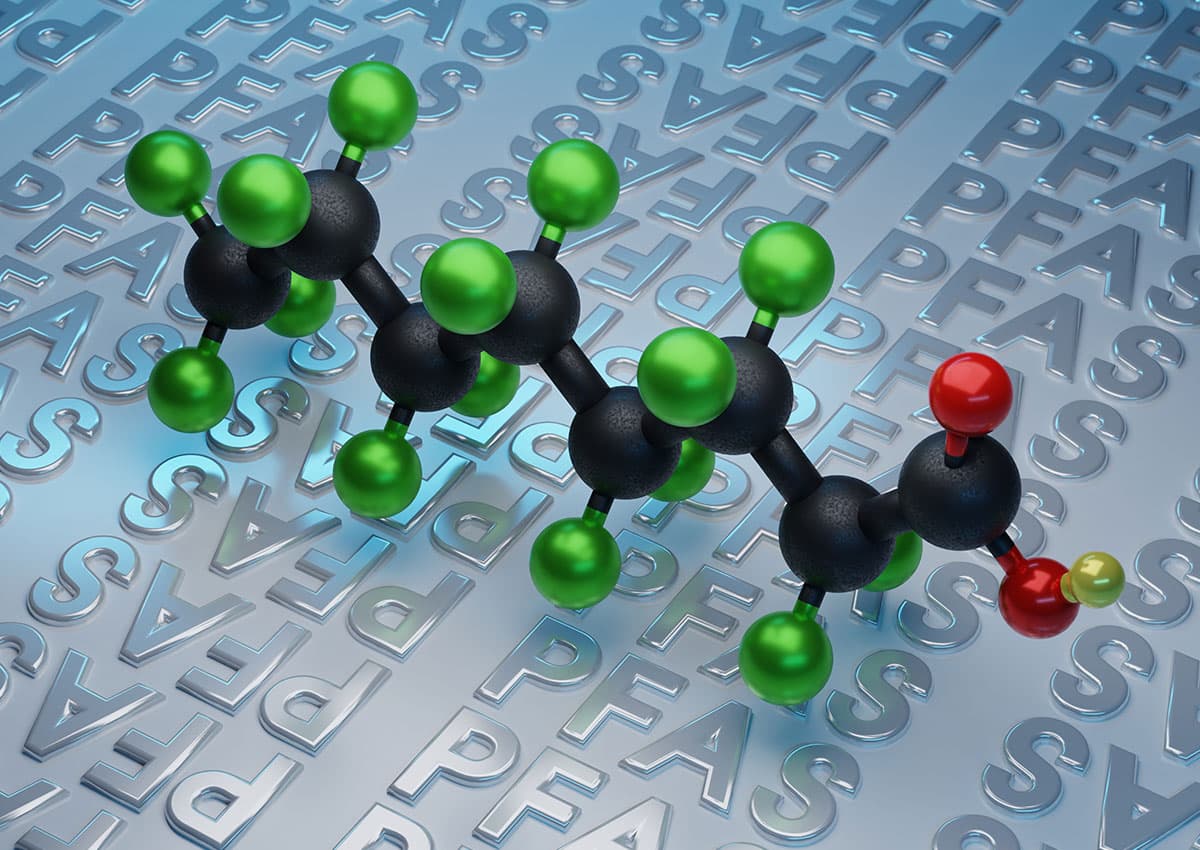
- Analysis of the total parameters TF, TOF, AOF and EOF to assess fluorine and organically bound fluorine contamination, respectively, and to classify potential PFAS-relevant compounds
- Testing for bisphenol A
- Material identification as well as testing for contaminants, residues, and material deviations
Typical Real-World Questions
- Is the material used the expected material?
- Are there any impurities or residues?
- What could be the cause of a complaint or material deviation?
Depending on the specific question, different methods are used—for example, FTIR spectroscopy for material identification, GC-MS for analyzing organic substances and residues or CT for non-destructive analysis of internal structures and manufacturing deviations.
The right testing method for every analysis
Optical Emission Spectroscopy with inductively coupled plasma (ICP-OES)
Using ICP-OES, we determine heavy metals and other elements such as lead, cadmium, mercury, arsenic, and chromium III and VI. The method is used in particular for testing the migration of certain elements in accordance with EN 71-3 and is suitable for plastics, paints, varnishes, coatings , as well as other materials used in toys, baby products, and children’s products.

FTIR Spectroscopy
Using Fourier-transform infrared spectroscopy (FTIR), we identify plastics, elastomers, coatings, adhesives, and other materials based on their characteristic infrared spectra. This method is suitable for material verification, for identifying unknown substances, and for investigating contaminants and material deviations in toys, baby products, and children’s products.
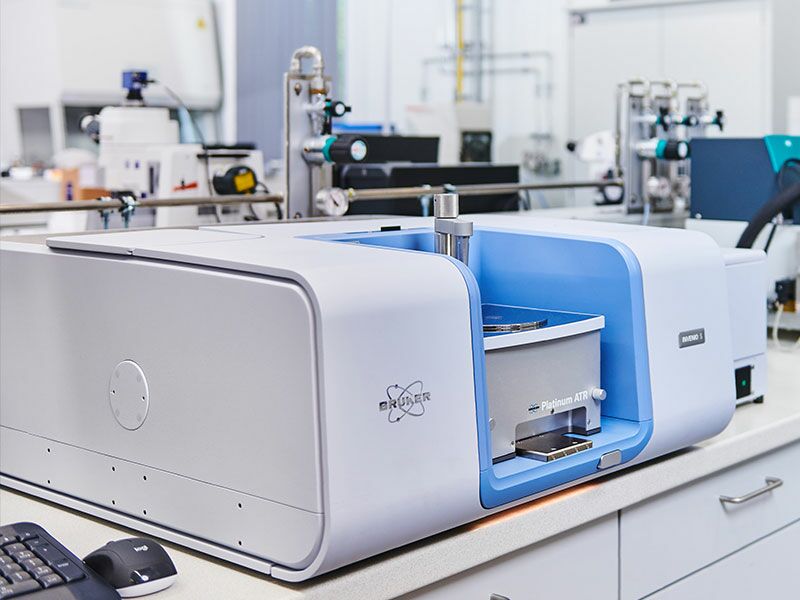
Combustion Ion Chromatography (CIC)
Using combustion ion chromatography (CIC), we analyze the content of halogens. The determination of the total fluorine content (TF) and the sum parameters TOF, AOF and EOF serves as an important indicator of the possible presence of PFAS. The method is suitable for plastics, coatings, textiles, and other materials used in toys, baby products, and children’s products.
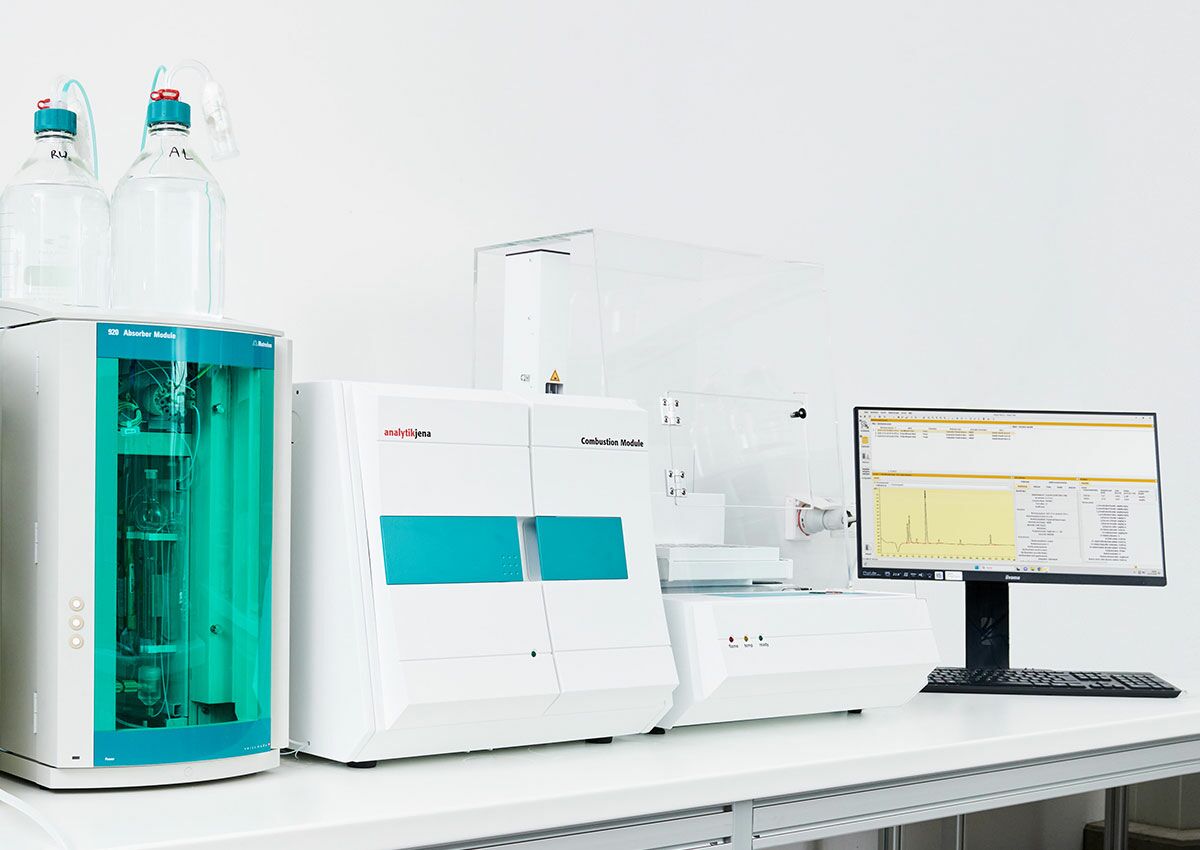
High-Performance Liquid Chromatography (HPLC)
Using HPLC, we analyze and quantify non-volatile and heat-sensitive substances such as bisphenol A and other relevant ingredients, thereby supporting the chemical safety assessment of toys and baby products.
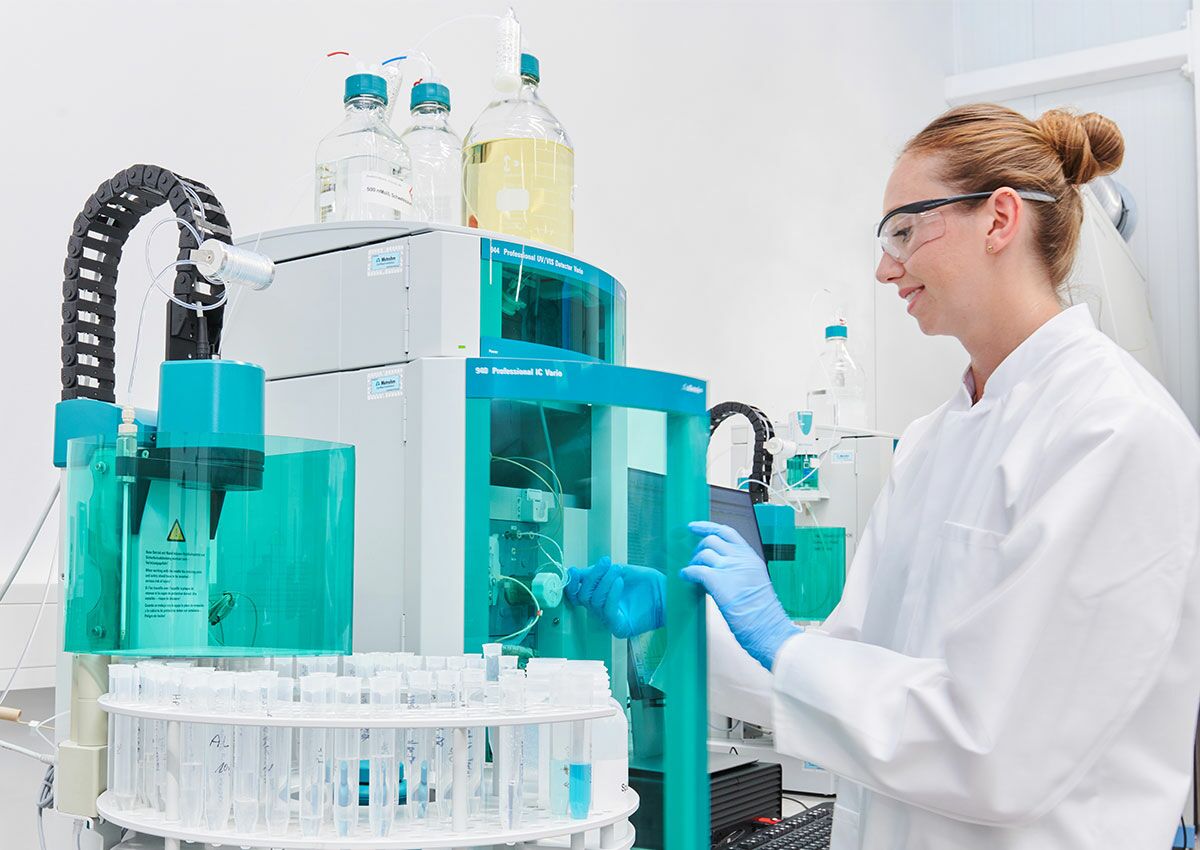
Gas Chromatography with Mass Spectrometry (GC-MS)
Using GC-MS, we analyze organic substances such as plasticizers, solvents, volatile organic compounds (VOCs), and other relevant compounds. This method is suitable for identifying unknown organic substances as well as for root-cause analyses of contaminants, residues, and customer complaints.
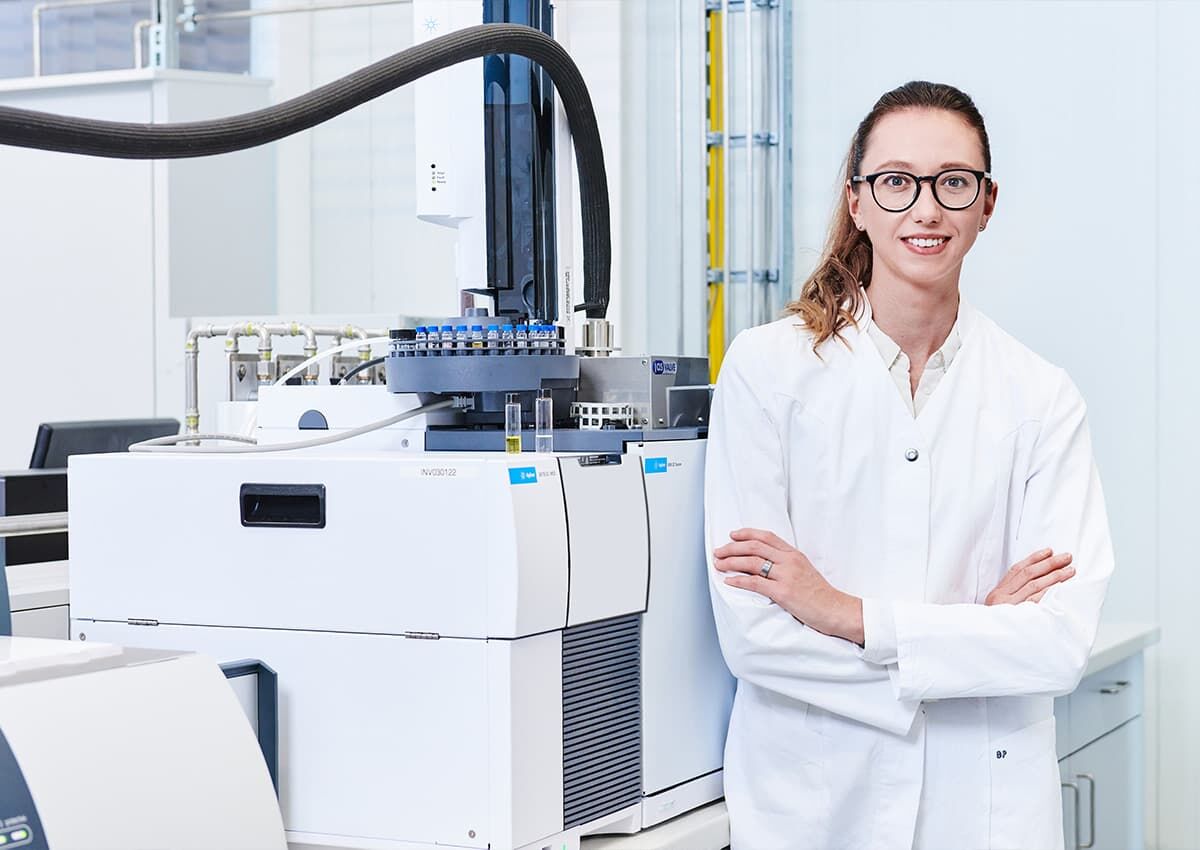
Thermogravimetric Analysis (TGA)
Thermogravimetry (TGA) analyzes the thermal decomposition behavior of materials under defined conditions. The method provides important information about material composition, filler content, additives, and thermal stability and is used in particular for plastics and composite materials.
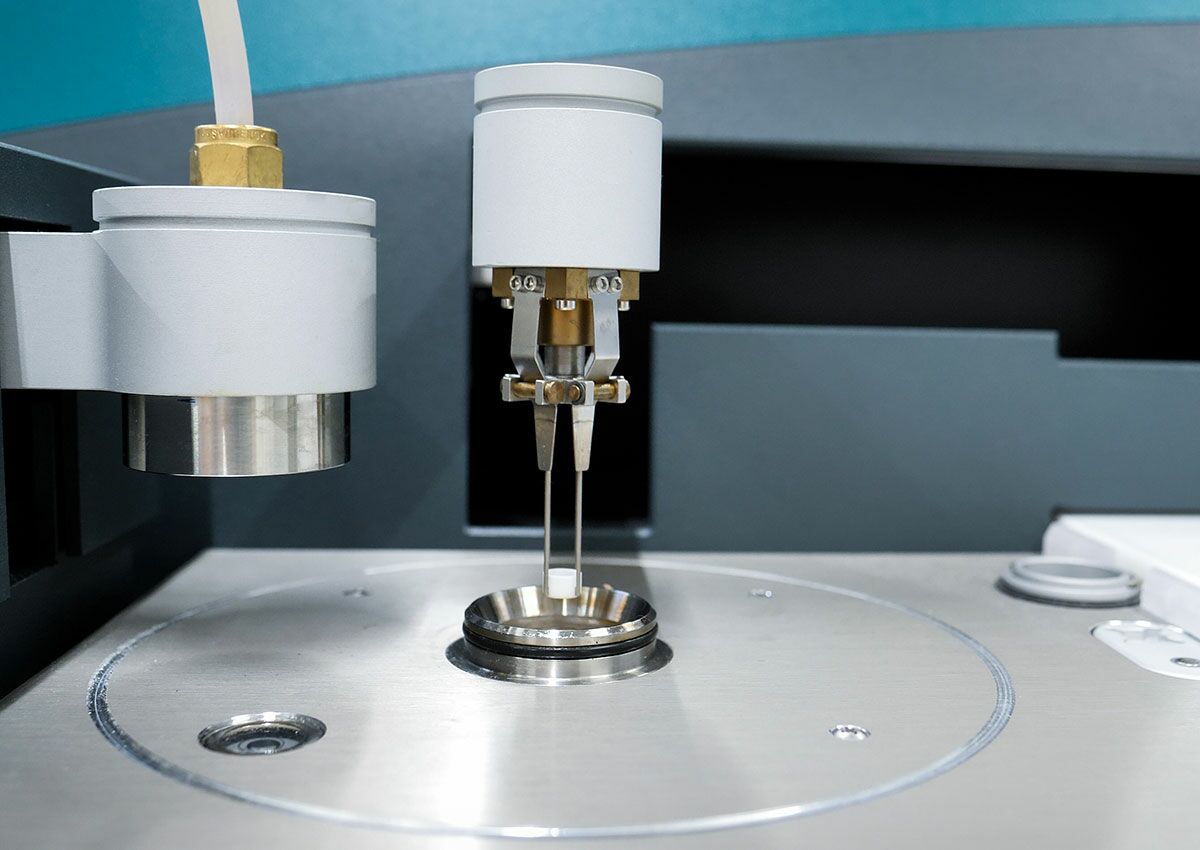
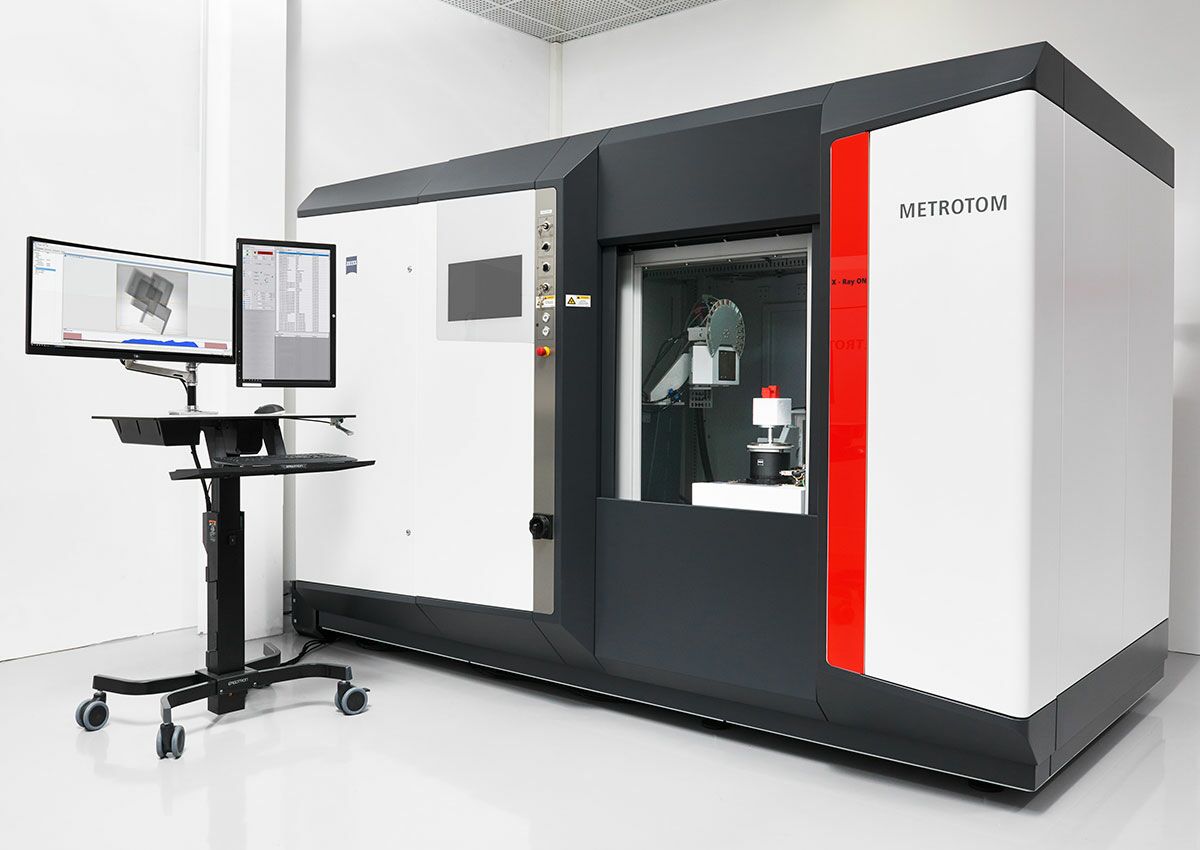
Industrial Computed Tomography (ICT)
Using industrial computed tomography (ICT), we inspect toys and components non-destructively for internal structures, material defects , and manufacturing deviations.
This method is suitable for analyzing complex toys and for supporting the evaluation of mechanical and physical properties in accordance with EN 71-1. It provides high-resolution 3D data for quality control, complaint handling, and product optimization.
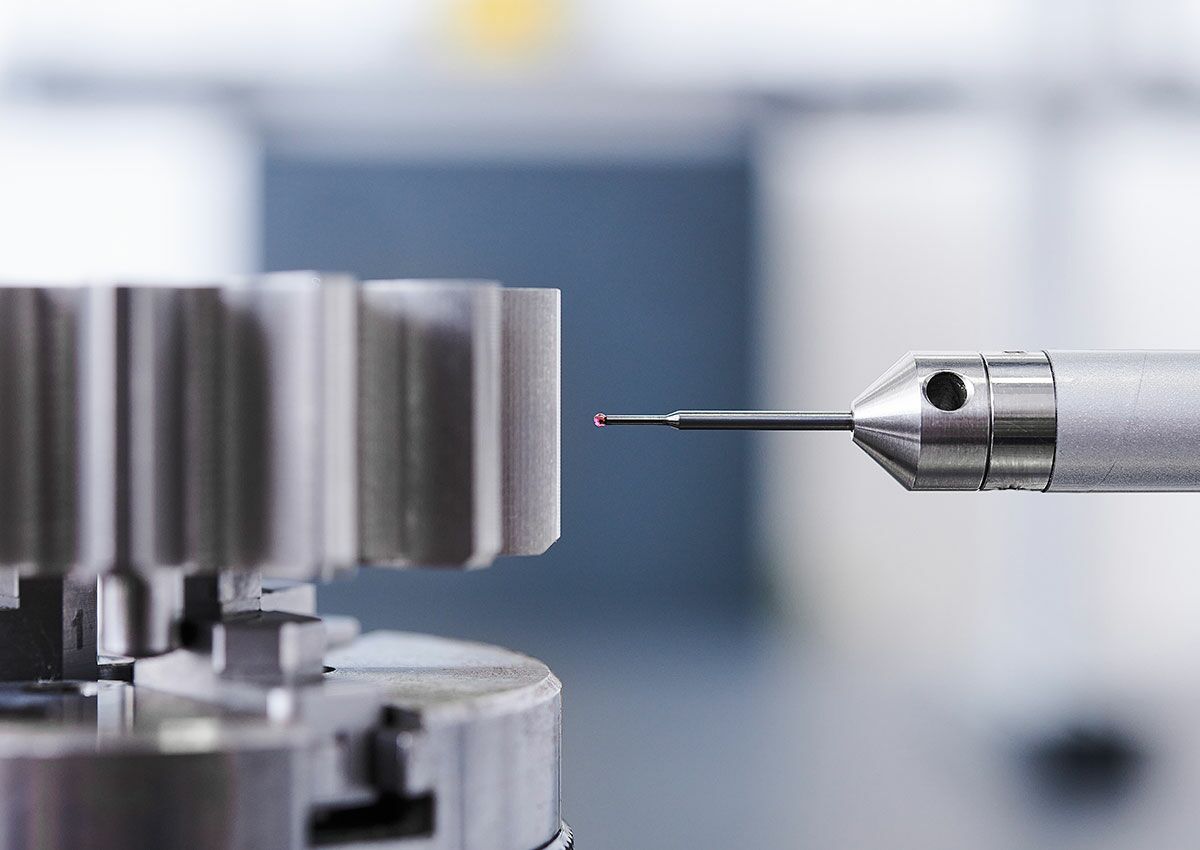
Tactile Metrology
Using modern metrological methods, we test dimensions, geometries, and safety-related product characteristics of toys and baby products. These tests support the evaluation of mechanical and physical requirements in accordance with EN 71-1 and serve to ensure quality assurance during development, production, and incoming goods inspection.
Contact us –
expert support is just a conversation away.
Using state-of-the-art analytical methods, we assist you with quality issues, damage claims, and development challenges – providing precise, well-founded, and solution-oriented support.

Frequently asked questions about Toy Safety
Here you'll find answers to frequently asked questions about the testing of toys and baby products.
Items that can be tested include, for example, teething and grasping toys, pacifiers and related accessories, plastic toys and plastic products, coated or painted products, children's textile items, as well as toys and products with electrical or electronic components.
Quality Analysis provides support for tests in accordance with EN 71-1 regarding mechanical and physical properties, as well as for analyses in accordance with EN 71-3 regarding the migration of certain elements. Flammability tests in accordance with EN 71-2 are conducted by qualified partners.
Among the most critical heavy metals are lead, cadmium, mercury, and chromium (VI). In addition, EN 71-3 limits the migration of other elements such as arsenic, antimony, barium, cobalt, and nickel to ensure the safety of toys for children and infants.
REACH Annex XVII contains restrictions on certain substances, mixtures, and articles that, depending on the material, product type, and intended use, may also apply to toys and children's products. Analytical tests provide the data needed for their evaluation.

Accredited testing procedures for toy safety
Our DAkkS accreditation according to DIN EN ISO/IEC 17025 ensures that our testing procedures comply with standards and that our test results are internationally recognized within the scope of our accredited testing services. You benefit from validated results for selected testing procedures—to assist you in assessing toy safety, material properties, and chemical requirements in accordance with EN 71. As a reliable partner , we support manufacturers, importers, and retailers in testing for critical substances, ensuring compliance with regulatory requirements, and preparing comprehensive test reports for regulatory authorities, customers, and online marketplaces.
More about the benefits our accreditation offers you:

Quality Analysis –
the right partner for toy safety
What can we analyze for you?
We would be pleased to advise you about the numerous possibilities and combined analytical methods. Our goal: the best, most cost-effective and most efficient analysis of your material or component.