
Defect analysis
In materials science, the term defect analysis refers to the systematic analysis and evaluation of defects in materials, components or structures. This analysis is used to identify the causes of material failure to prevent future damage and improve the quality and reliability of materials and products.
Inhaltsverzeichnis

Contact us –
expert support is just a conversation away.
Using state-of-the-art analytical methods, we assist you with quality issues, damage claims, and development challenges – providing precise, well-founded, and solution-oriented support.

What is defect analysis?
Defect analysis includes various methods for identifying and analyzing material defects and structural deviations in components and products. The aim is to detect irregularities such as cracks, porosity, shrinkage cavities or inclusions that could impair the mechanical characteristics, functionality or service life of a product. A detailed analysis allows weak spots to be identified at an early stage to prevent production defects, optimize quality assurance processes and reduce economic losses due to faulty components.
Why is defect analysis important?
In addition to the detection of acute material defects, defect analysis permits the evaluation of damage mechanisms in long-term use. Specific analyses can be used to analyze material fatigue, corrosion and other ageing processes that can lead to functional failures in the long term. Preventive measures and optimized material selection can sustainably increase the reliability and service life of products.
What types of defects are there and how do they arise?
Types of defects
Defects can occur both on the surface and inside a component and are often invisible to the naked eye. The most common defects include cracks, porosity, shrinkage cavities, inclusions, grain boundary defects and stress cracks.
Formation of defects
Damage to and in components can be caused by manufacturing defects, mechanical loads, environmental factors or material fatigue. These issues impair the functionality and service life of a product and can lead to major damage. Destructive and non-destructive inspection methods are used to identify these irregularities.
Defect analysis
at Quality Analysis
- Non-destructive test methods such as light microscopy and scanning electron microscopy (SEM) for high-resolution material and surface analyses
- 2D X-ray inspection and 3D computed tomography for the detailed imaging of internal defects
- Destructive inspection methods such as metallographic sample analysis and FIB-SEM analysis for analyzing the microstructure
- Mechanical tests such as hardness testing and tensile, compressive and bending tests for the determination of mechanical characteristics
- Accredited tests to the highest standards: Our laboratories are certified in accordance with DIN EN ISO/IEC 17025
- Identification of sources of defects and material weaknesses for the targeted improvement of your manufacturing processes
Frequently asked questions about Defect Analysis
Defects can be reduced through early inspections, suitable materials, stable manufacturing processes, and regular quality controls. Defect analysis helps identify root causes and define targeted measures to prevent recurring damage.
Depending on the component and inspection method, defects such as cracks, pores, voids, inclusions, delamination, connection defects, material weaknesses, and processing defects can be identified.
Both nondestructive and destructive methods are used, including 2D X-ray inspection, 3D computed tomography, optical and scanning electron microscopy, FIB-SEM, metallographic cross-section analysis, and mechanical testing. The methods are selected based on the material and the suspected type of defect.
Methods of defect analysis at a glance
Various state-of-the-art inspection methods are used to analyze defects precisely – from non-destructive methods to high-resolution imaging technologies. Each of these methods offers specific advantages and is combined individually depending on the material, type of defect and analysis requirements. In the following, we present the most important methods for defect analysis.
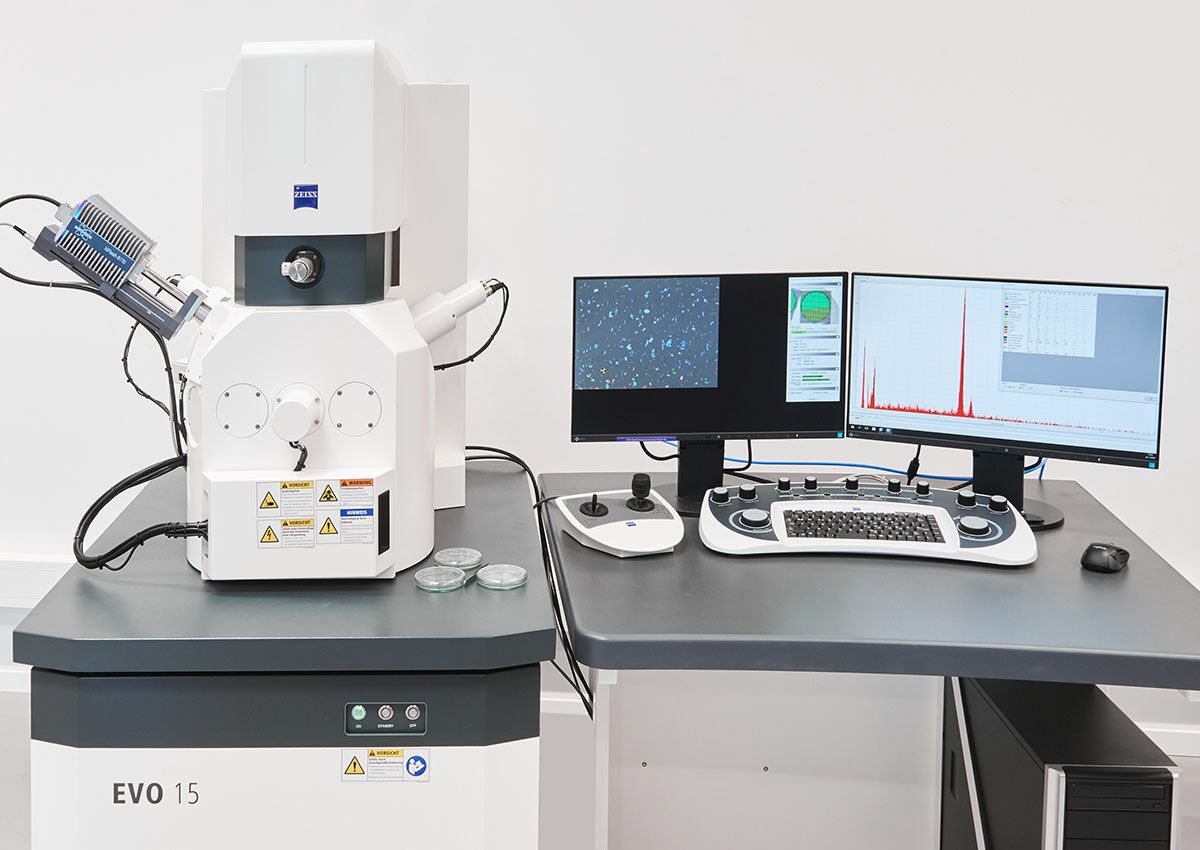
Light microscopy and SEM for surface analysis
Light microscopy offers a fast and precise method for examining surface structures. It is particularly well-suited for detecting visible defects such as scratches, cracks or contaminants. Scanning electron microscopy (SEM) enables high-resolution surface analysis and makes even the smallest microstructural defects visible. In combination with EDX , the chemical composition can also be examined to identify the causes of material damage.
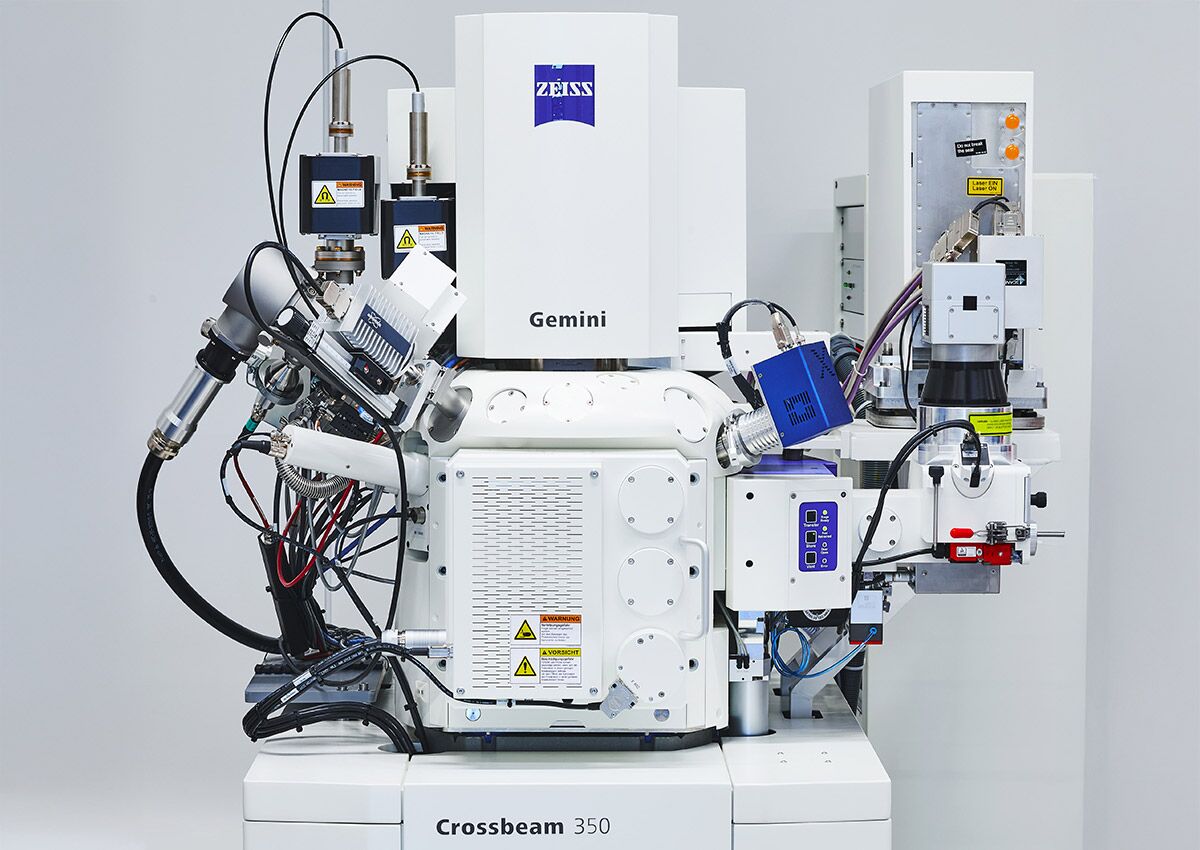
FIB-SEM for nano-structure analysis
FIB-SEM technology combines a focused ion beam with a scanning electron microscope for highly precise cross-section analyses. This method is ideal for analyzing micro-components and makes it possible to analyze structures in the nano-range. FIB-SEM is often used to render visible the smallest defects in semiconductors or other complex materials. In addition, three-dimensional depictions can be created to gain a deeper understanding of the material characteristics.
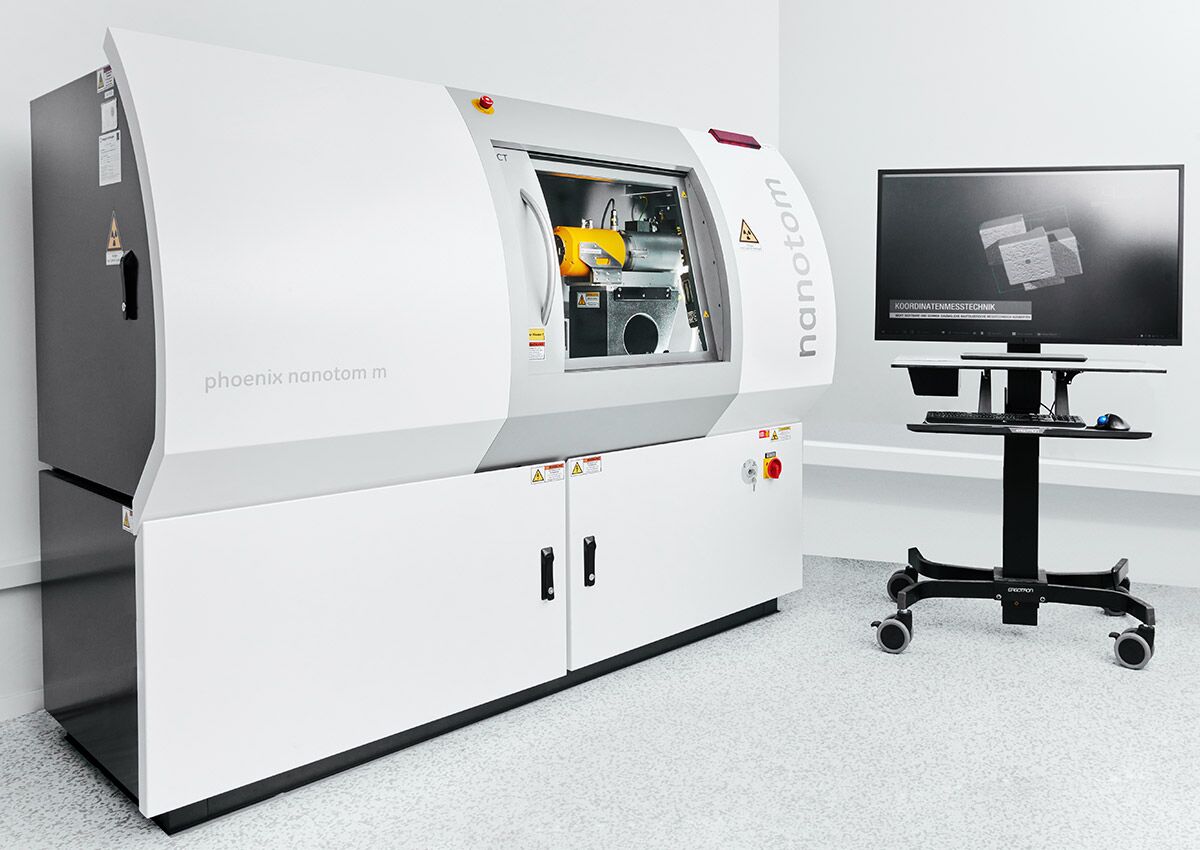
In-depth insights using computed tomography
Industrial computed tomography (ICT) is a non-destructive inspection method that creates detailed 3D images of a component. In this way, internal defects such as shrinkage cavities, porosity that would not be visible to naked eye can be rendered visible. ICT is particularly valuable for the analysis of complex components, such as those produced via additive manufacturing. Furthermore, it enables the evaluation of components after long-term stress, allowing the service life and reliability of materials to be specifically tested under extreme conditions.
Applications for defect analysis
Defect analysis is used in a wide range of sectors. In this way, material defects can be detected at an early stage and the quality and reliability of products ensured. Different sectors have specific requirements on the analytical methods, as defects can vary greatly depending on the material and area of application.
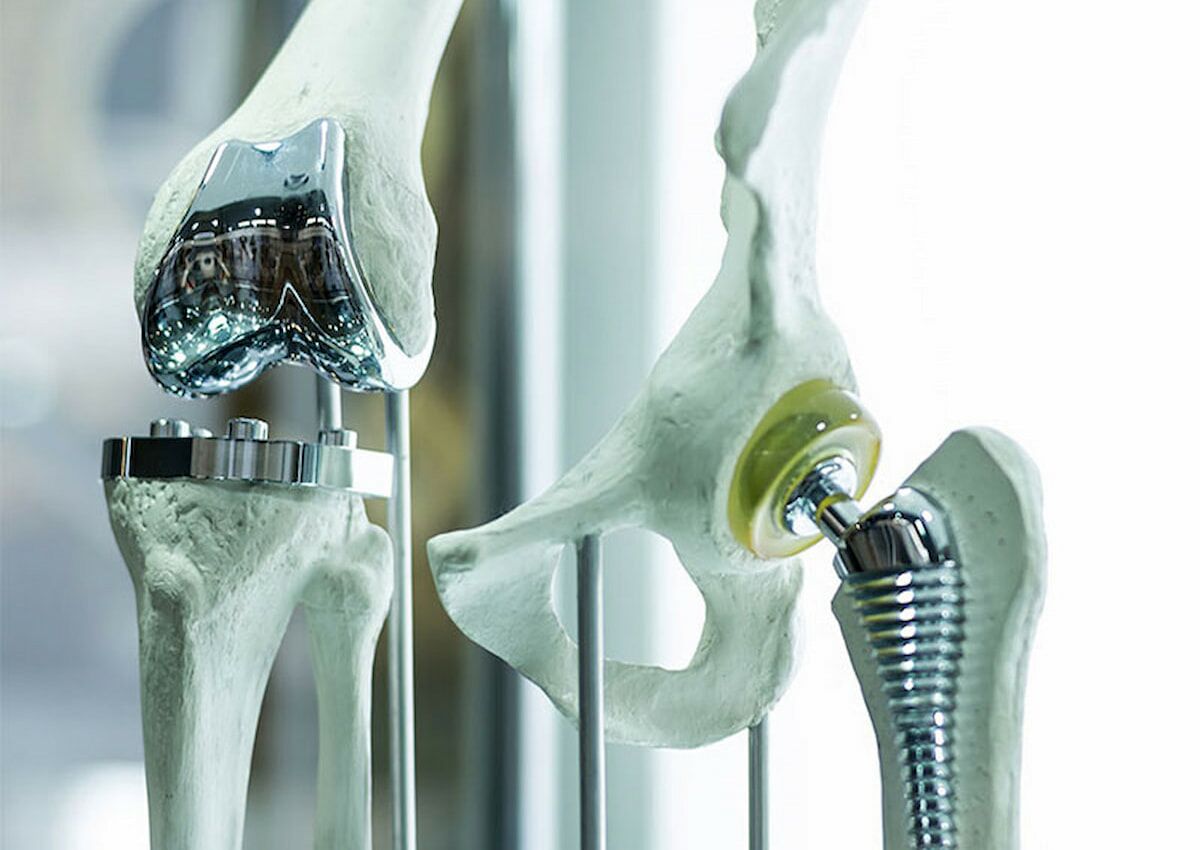
Medical Technology
Safety for implants and devices
In medical technology, defect analysis ensures the safety and reliability of implants, medical devices and other critical components. Technologies such as computed tomography and optical inspection (microscopy) are used to identify defects such as cracks, porosity or processing faults. This information is crucial to ensure the durability and functionality of medical products.

Aerospace Industry
Inspection of safety-critical components
In aerospace, defect analysis ensures that safety-relevant components such as engines, turbines or structural components can withstand the extreme requirements. With the aid of the latest methods such as computed tomography and scanning electron microscopy (SEM), even the smallest defects such as cracks, porosity or inclusions that could impair service life and reliability can be detected.
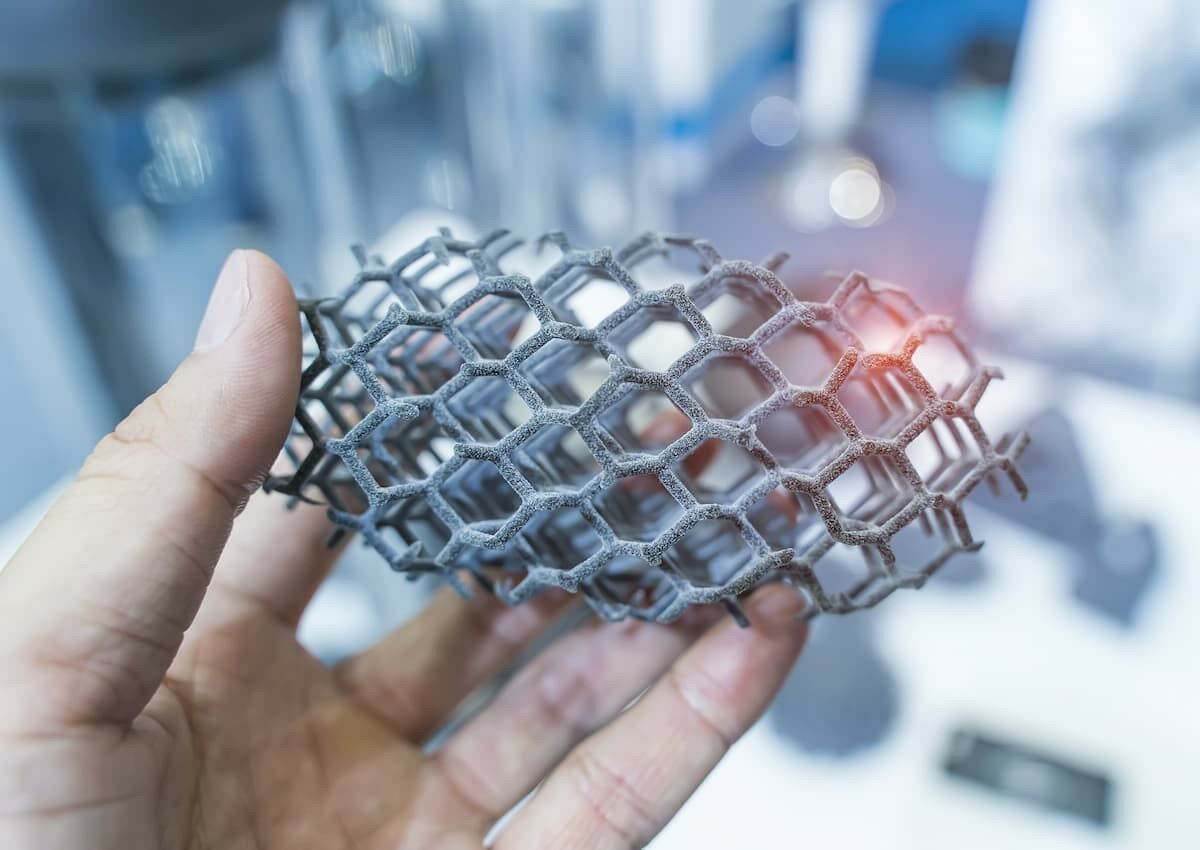
Additive Manufacturing
Inspection of 3D-printed structures
In additive manufacturing, defect analyses help to check components for faults such as shrinkage cavities, pores, inclusions and internal cracks. Computed tomography in particular is invaluable here, as it provides a complete three-dimensional view of the complex structures. This method makes it possible to detect defects at an early stage and ensure the quality of the printed parts.

Automotive
Early detection of material defects
Defect analysis is essential in the automotive industry to ensure the safety and durability of components. The early detection of material defects plays a key role, especially for safety-critical components such as brakes, engines or chassis components.

Plastics Industry
Precise inspection of injection moulded parts
In the plastics industry, defect analysis is indispensable for detecting injection faults, porosity and shrinkage cavities in components. With the help of computed tomography and optical inspection, shape and dimensional deviations can be identified at an early stage. These methods contribute to the detection of defects in good time, the minimization of susceptibility to errors in production and the improvement of efficiency.

Security and Defence
Detecting defects in highly reliable components
In the security and defence industries, defect analysis is used to ensure the reliability of heavily loaded and mission-critical components. Using computed tomography, scanning electron microscopy (SEM) and materialographic examinations, it is possible to detect cracks, porosities, inclusions, delaminations, as well as defects in coatings, weld seams, and electronic assemblies. This helps reduce the risk of failure and provides a solid basis for approvals and damage assessments.
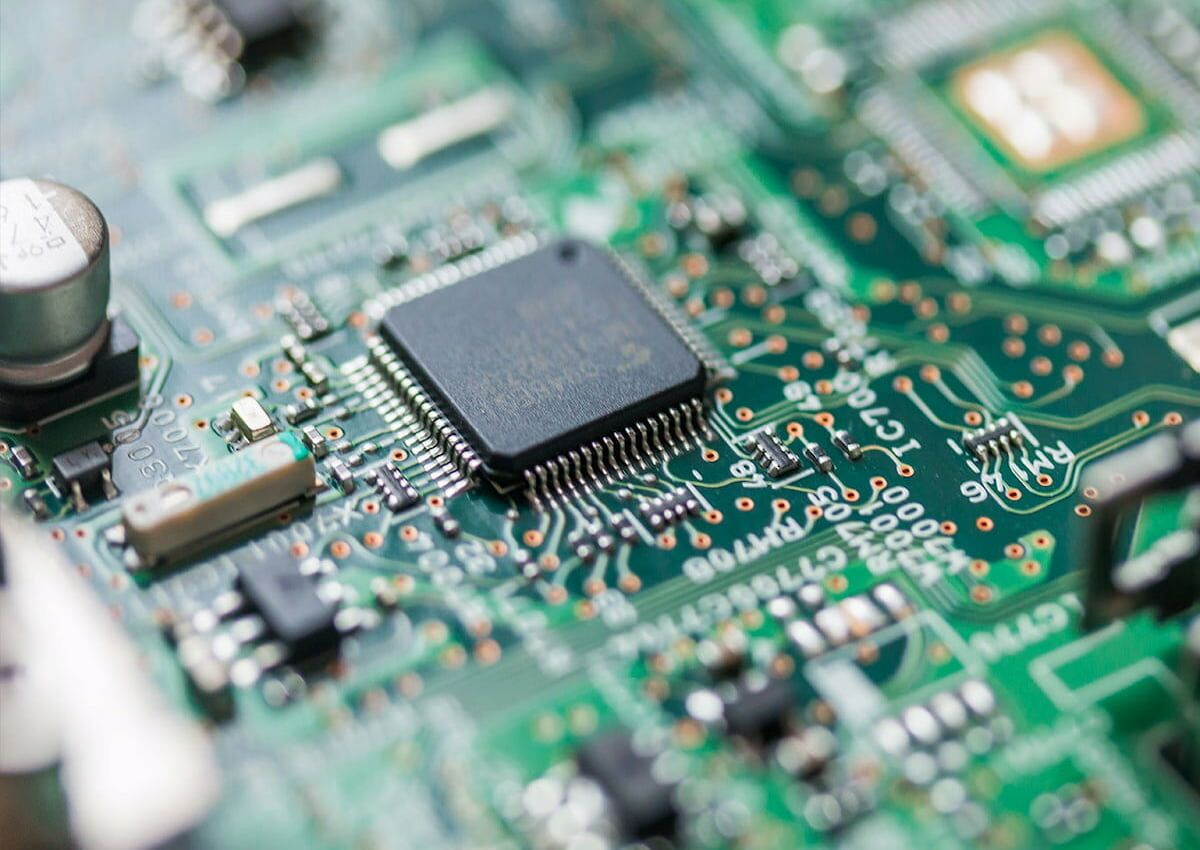
Electronics Manufacturing
Detecting defects in assemblies and solder joints
In electronics manufacturing, we inspect printed circuit boards, solder joints , and electronic assemblies for cracks, voids, delamination, connection defects, and other weaknesses. To do this, we combine, among other methods, 2D X-ray, 3D computed tomography, microscopy, and metallographic section analysis.
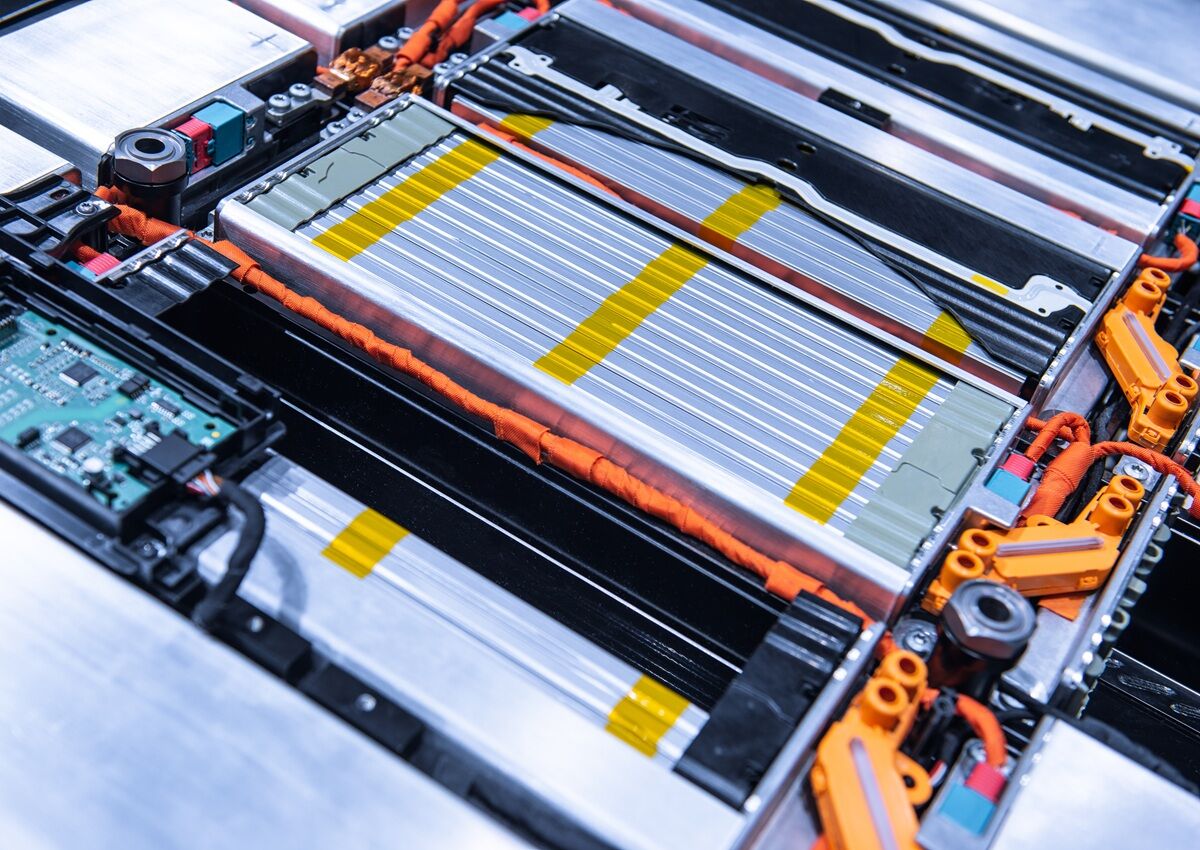
Battery cell analysis
Investigating Manufacturing Defects and Cell Damage
For battery cells, we analyze internal defects, material damage, and manufacturing-related deviations. Computed tomography, microscopy, materialography and chemical analytics help to identify the causes of cell failure, short circuits, or performance losses .
Defect analysis in summary
Defect analysis permits the early identification of material defects such as cracks, porosity, inclusions or injection faults in components. Destructive, non-destructive and high-resolution inspection methods such as computed tomography and scanning electron microscopy can be used to identify and evaluate defects precisely. These analyses contribute to increasing the reliability of products and preventing costly failures of parts and entire components.