
RoHS (Restriction of Hazardous Substances)
The use of hazardous substances in electrical and electronic equipment can have serious effects on the environment and health. The RoHS (Restriction of Hazardous Substances) Directive was developed to counteract this situation and regulate the use of such substances.
Table of contents

Contact us –
expert support is just a conversation away.
Using state-of-the-art analytical methods, we assist you with quality issues, damage claims, and development challenges – providing precise, well-founded, and solution-oriented support.

What is RoHS?
RoHS (Restriction of Hazardous Substances) is an EU directive that restricts certain hazardous substances in electrical and electronic equipment. Its aim is to minimise the use of harmful substances with the intention of protecting both the environment and human health. The directive affects numerous product groups, including household appliances, consumer electronics, computers and medical devices.
Background and objectives of the RoHS Directive
The RoHS Directive was first introduced in 2003 and has since been updated several times in response to technological developments and new findings. It aims to reduce the amount of hazardous substances in electronic waste and thus simplify the recycling and environmentally responsible disposal of appliances. In particular, the aim is to minimise the risk of harmful substances entering the production cycle or their release into the environment.
RoHS (Restriction of Hazardous Substances)
at Quality Analysis
To ensure that your products comply with RoHS requirements, we conduct comprehensive testing in accordance with the RoHS Directive. Our analyses help companies design their products to be RoHS-compliant and thus meet legal requirements.
- Precise substance analyses in accordance with the RoHS Directive
- Modern analysis systems such as XRF, ICP-OES, CIC and GC-MS for the exact determination of the concentrations of harmful substances
- Tests in accordance with DIN EN 62321: standard-compliant analyses for reliable RoHS test results
- Reliable analyses as the basis for the CE marking
- Accredited test reports as verification of RoHS conformity
- Testing of additional requirements such as freedom from halogens and testing for harmful substances such as PAHs
Which substances are regulated by the RoHS?
The RoHS Directive prohibits or restricts the use of certain hazardous substances in electrical and electronic equipment. These include the following substances:
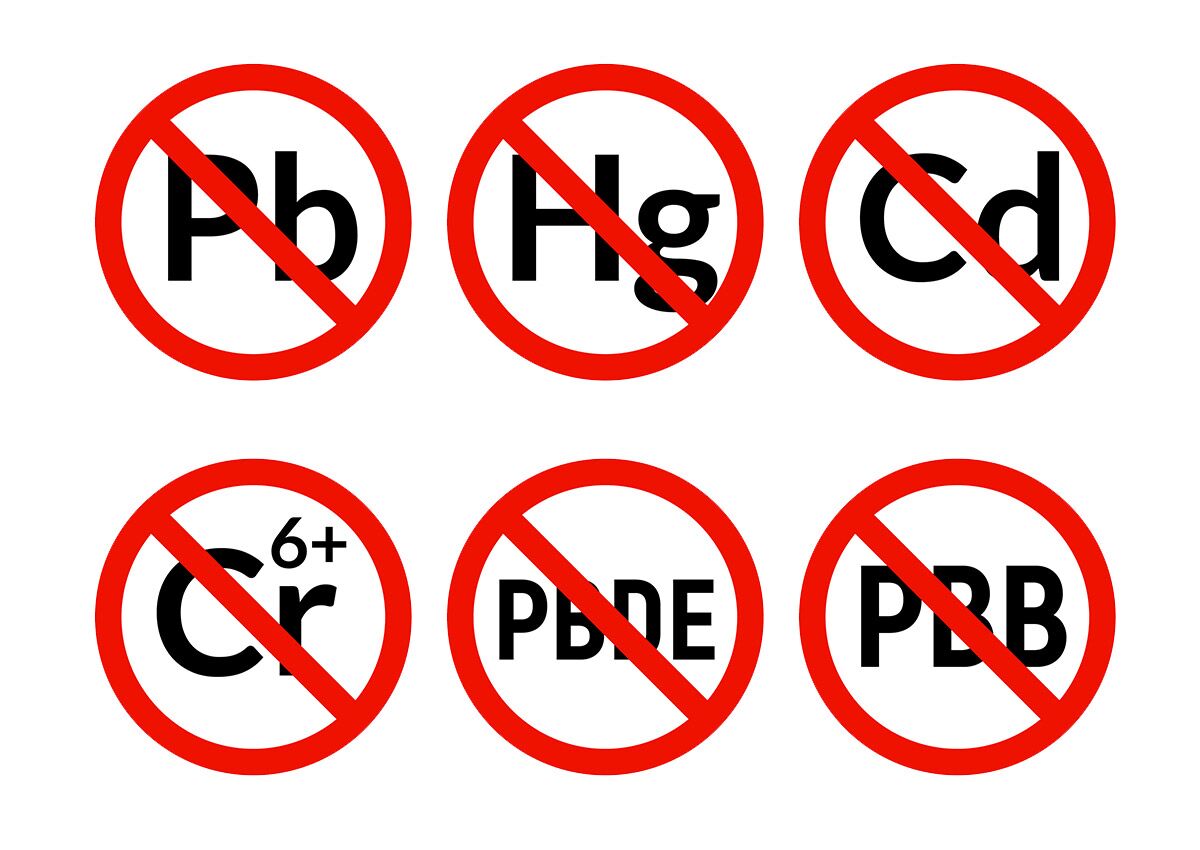
- Lead (Pb)
- Mercury (Hg)
- Cadmium (Cd)
- Hexavalent chromium (Cr6+)
- Polybrominated biphenyls (PBB)*
- Polybrominated diphenyl ethers (PBDE)*
- Phthalates such as DEHP, BBP, DBP, DIBP (added in RoHS 3)
* currently not part of our scope of services
For each of these substances, there are specific limits that must not be exceeded, usually 0.1% of the total weight of the material for most substances, with the exception of cadmium (0.01%).
For which products are RoHS laboratory tests required?
RoHS laboratory tests are required for a wide range of products to ensure that they comply with the specified limits for hazardous substances. Electronic devices such as computers, smartphones and consumer electronics are particularly affected, as they often contain materials that fall under the RoHS restrictions. Household appliances that contain electrical components – such as coffee machines, kettles or microwaves – must also be RoHS-compliant.
In the toy industry, the RoHS Directive primarily affects electronic toys that have batteries, cables or electrical functions. Lighting products such as lamps, fluorescent tubes and LED lighting are also covered by the RoHS Directive because they often contain mercury and other restricted substances. Power adapters and electrical tools such as drills or saws must also undergo RoHS testing to ensure that they comply with statutory requirements.
Analytical methods for RoHS Testing
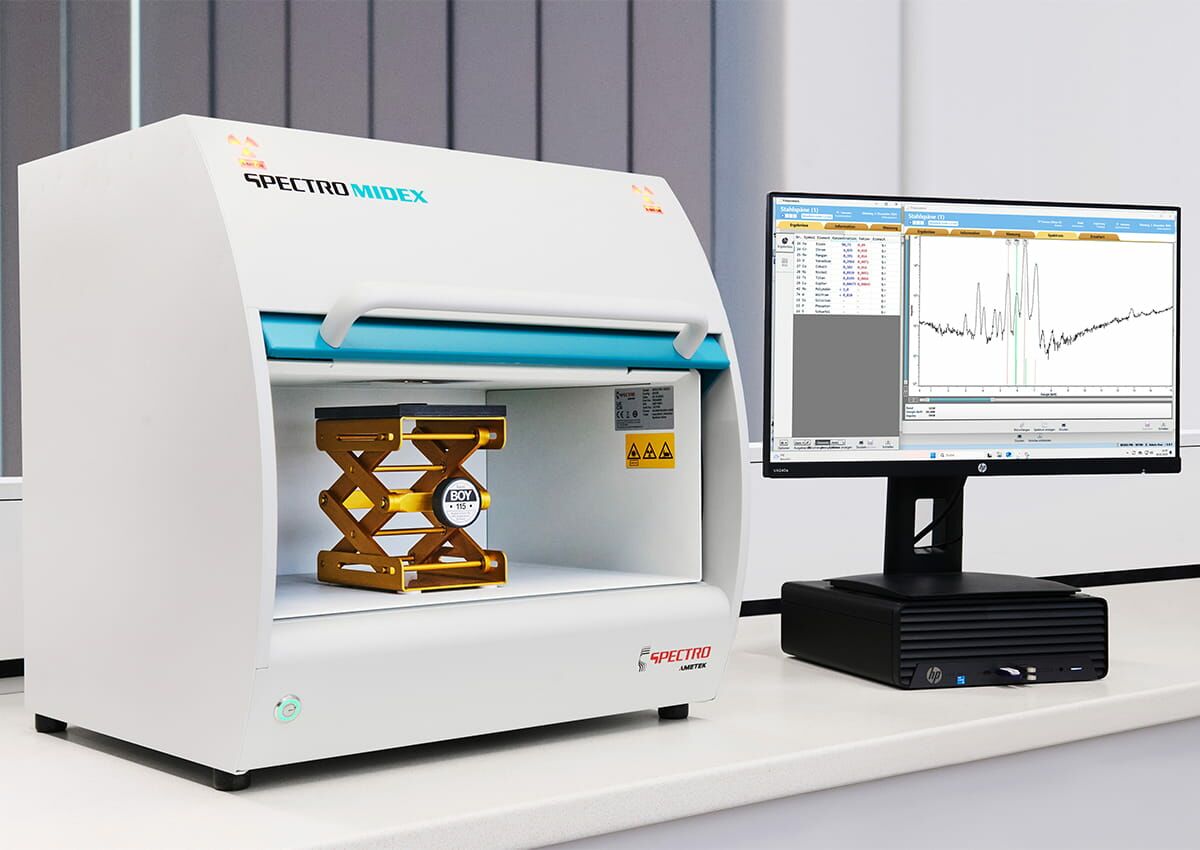
X-ray Fluorescence Analysis (XRF)
XRF is used to determine the elemental composition of a sample. It uses the interaction of X-rays with the atoms of the material and provides precise information about the presence and concentration of certain elements. This method is particularly useful for RoHS testing as it can efficiently detect heavy metals such as lead, cadmium or mercury in electronic components and plastics.
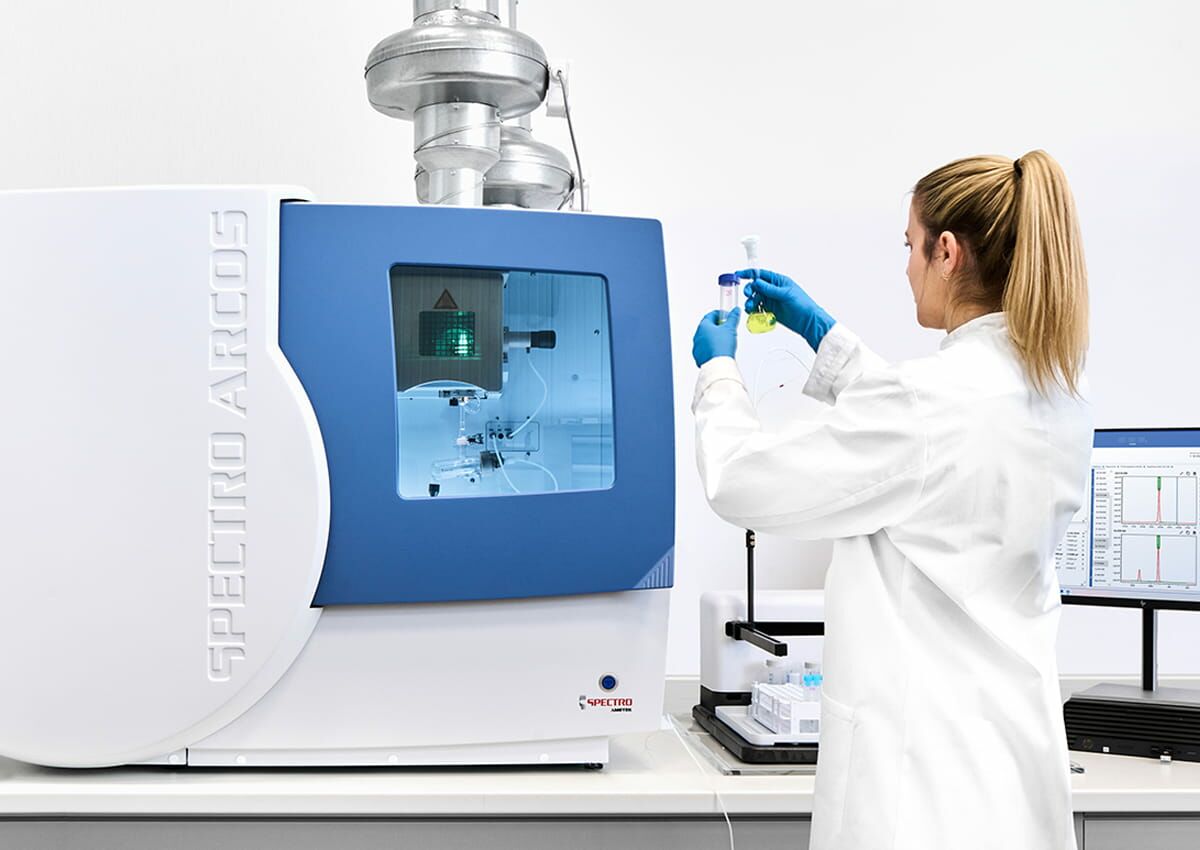
Optical emission spectroscopy with inductively coupled plasma (ICP-OES)
ICP-OES is used to qualitatively and quantitatively analyze the elemental composition of a sample. The sample is ionized in a plasma, causing the elements it contains to emit characteristic radiation with a specific wavelength. The spectra generated enable the element concentrations to be determined with high precision. This method is particularly suitable for RoHS testing, as it can detect heavy metals such as lead, cadmium or mercury in very small quantities and is characterized by high sensitivity and fast analysis times.
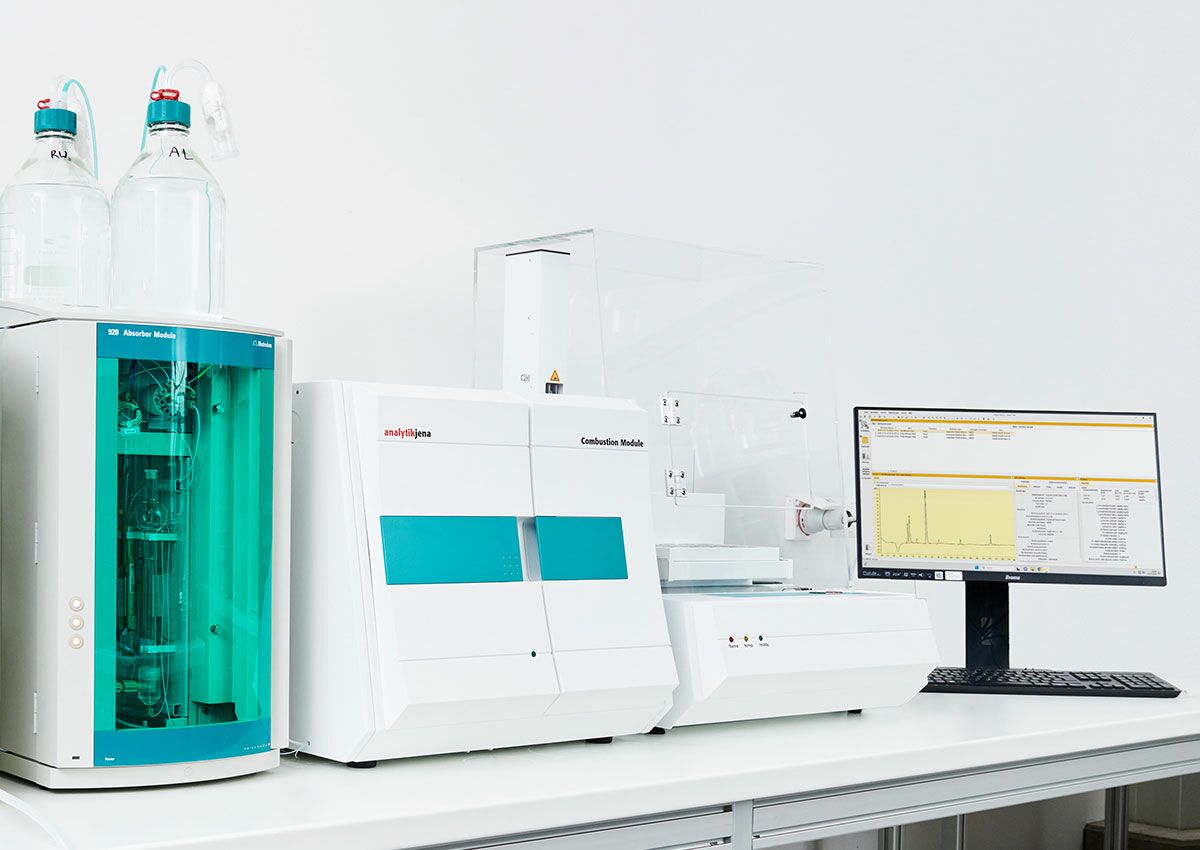
Combustion Ion Chromatography (CIC)
CIC is used for the quantitative determination of halogens and sulphur in a sample. The samples are burned, whereby the resulting gaseous compounds are collected in an absorption solution and then analyzed using ion chromatography. This method is particularly relevant for RoHS testing, as it can detect halogenated compounds such as brominated flame retardants in plastics. It is characterized by high sensitivity and accuracy and enables reliable identification of banned substances.
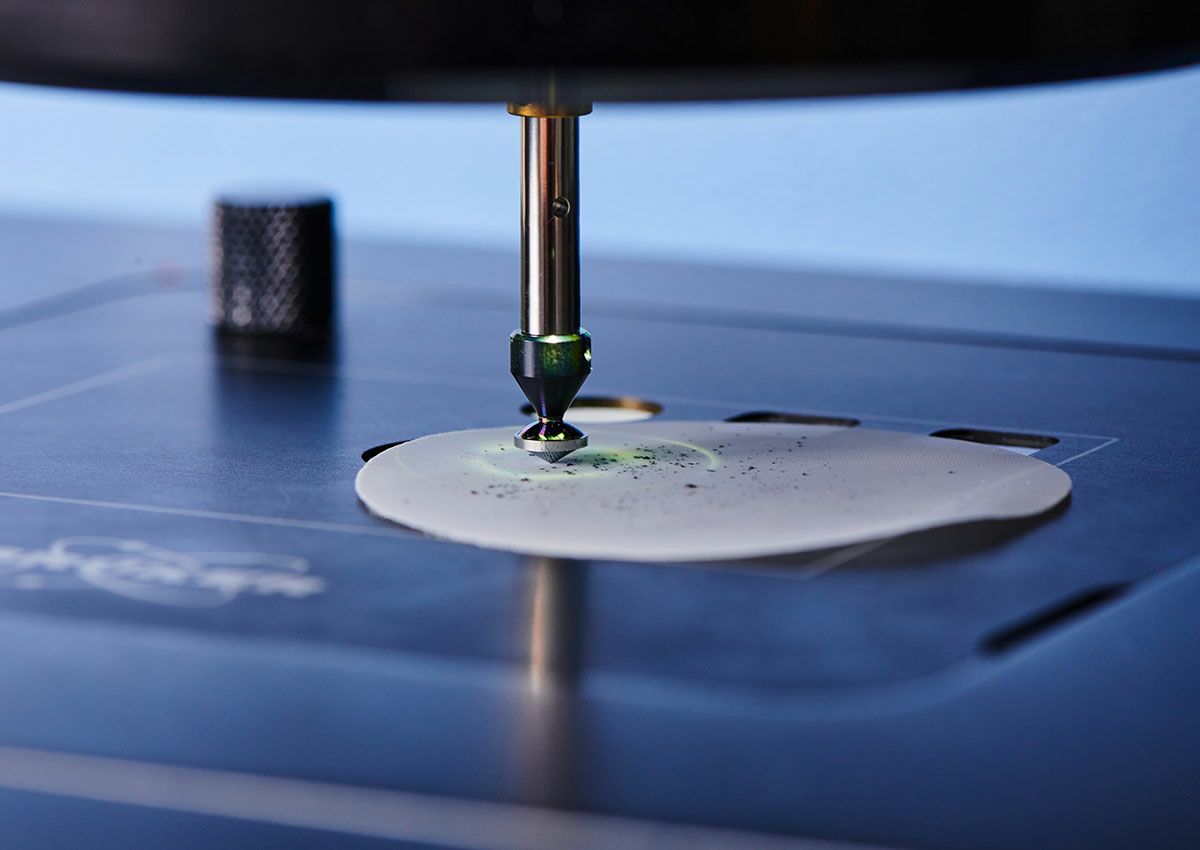
Fourier Transformation Infrared Spectroscopy (FTIR)
FTIR spectroscopy is used to identify organic compounds in a sample. It analyzes the interaction of infrared light with the molecules and provides detailed information about the chemical structure of the materials. In RoHS testing, this method is used to characterize polymers and certain additives, in particular to identify plastics or halogenated flame retardants in electronic components.
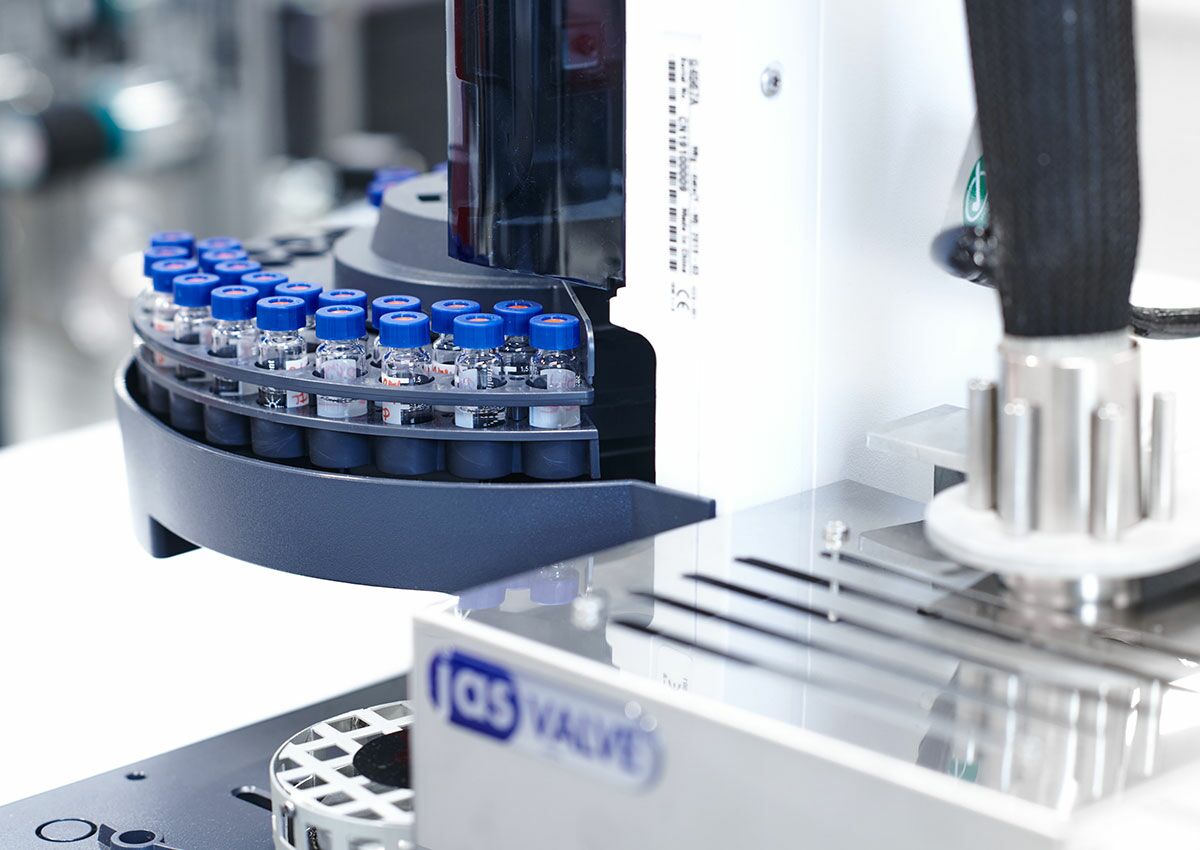
Gas Chromatography with Mass Spectrometry (GC-MS)
GC-MS combines the separation performance of gas chromatography with the high sensitivity of mass spectrometry and is used to analyze organic substances. In RoHS testing, it is primarily used to detect plasticizers such as certain phthalates, which can occur in plastics and coatings. The method enables precise identification and quantification of these substances, even in very low concentrations, and is therefore an essential tool for compliance with the directives.
Materials and components analyzed during the RoHS test
A wide range of materials and components are analysed for their constituents to ensure that products are free from harmful substances. Here the focus is on the following sample types in particular:
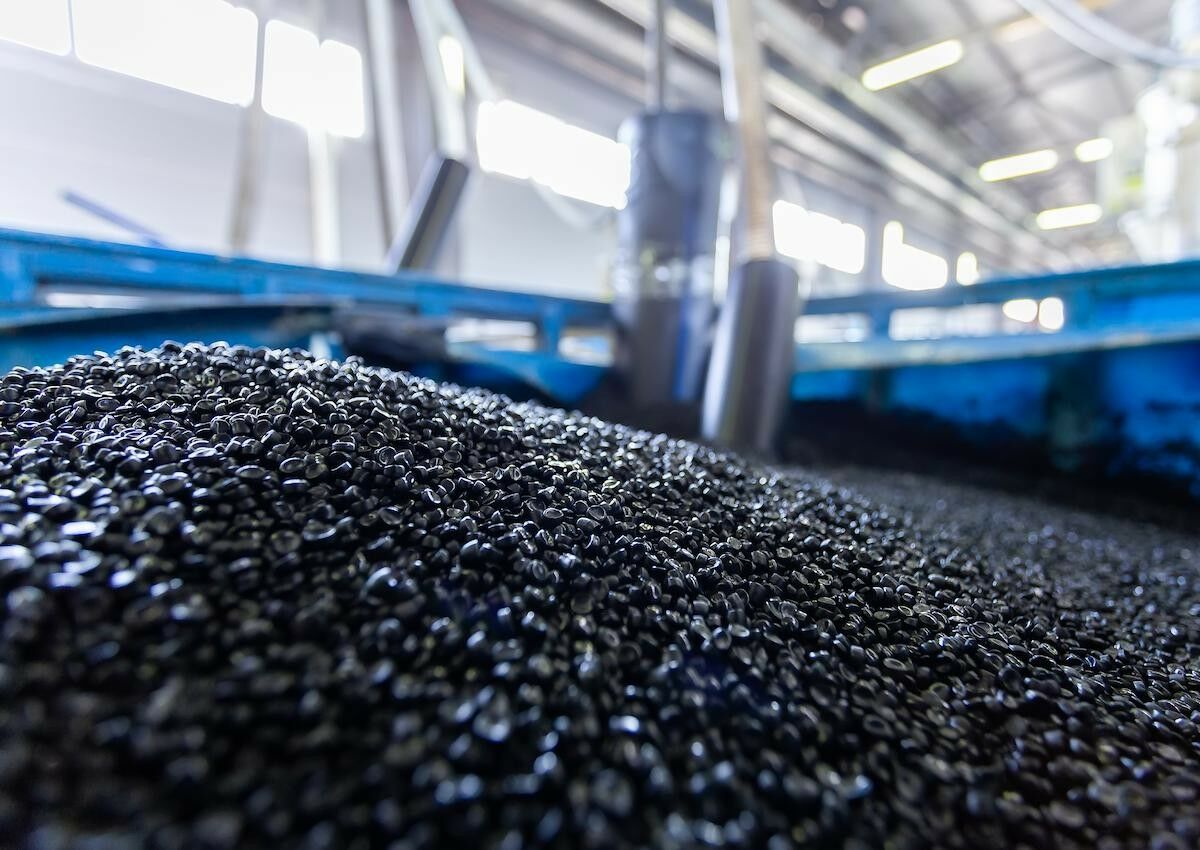
Plastics and Polymers
These materials are specifically tested for the presence of plasticizers (phthalates) or brominated flame retardants, as these substances are often found in plastics and are regulated by the RoHS Directive. The analysis is crucial to ensure that plastic parts, such as housings or cable jackets, meet the requirements.

Electronic Components
Printed circuit boards, connectors, cables, and other electronic components are tested for the presence of RoHS-regulated substances. Since these components often have a complex composition, a precise analysis is necessary to ensure that all constituents are RoHS-compliant. This is achieved, among other methods, through solder joint inspection and the analysis of coatings.

Metal Components
Metal components are tested specifically for heavy metals such as lead, mercury, and hexavalent chromium. This applies, for example, to screws, plug-in contacts, and housing parts used in electronic devices. Careful analysis is important to ensure that these components meet legal requirements.
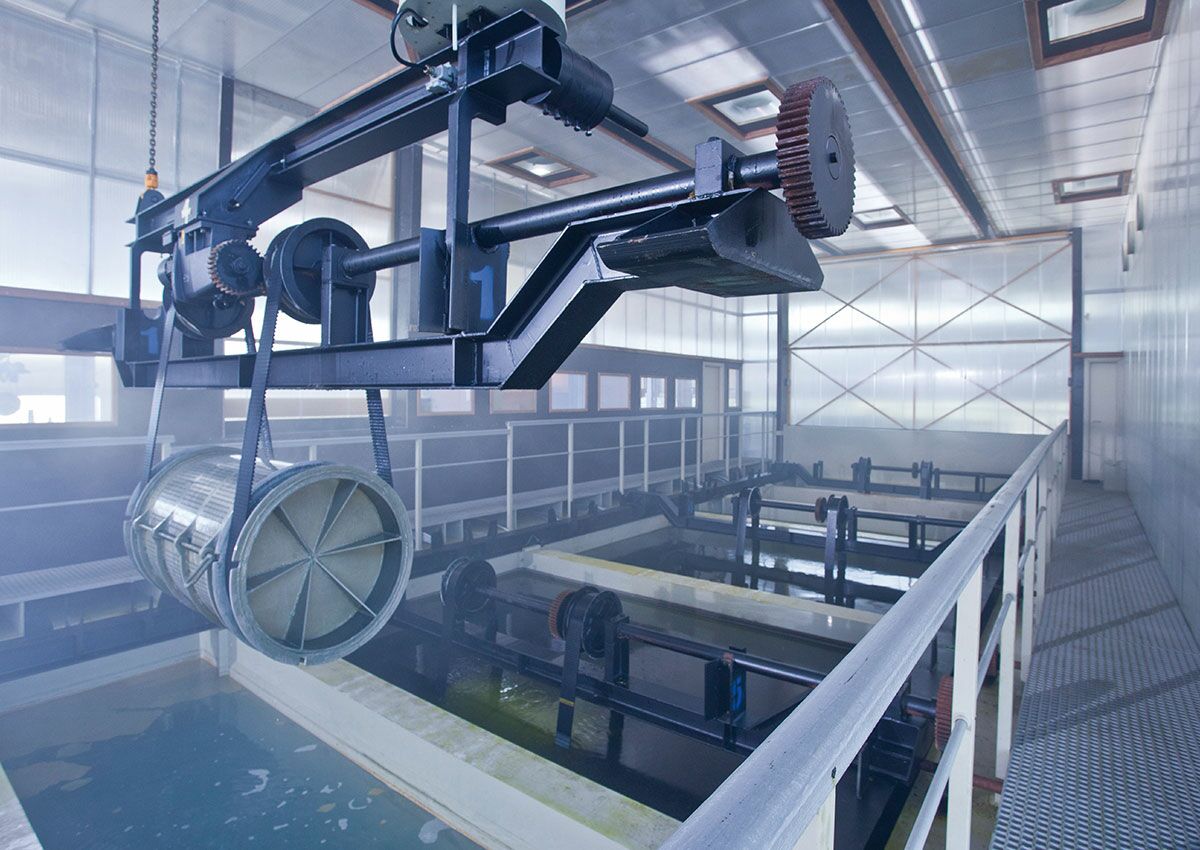
Coatings and Paints
Surface coatings applied to components or products are also subject to RoHS analysis. This applies, for example, to protective coatings on printed circuit boards or electroplated coatings on metal components, which must also be tested for hazardous substances.
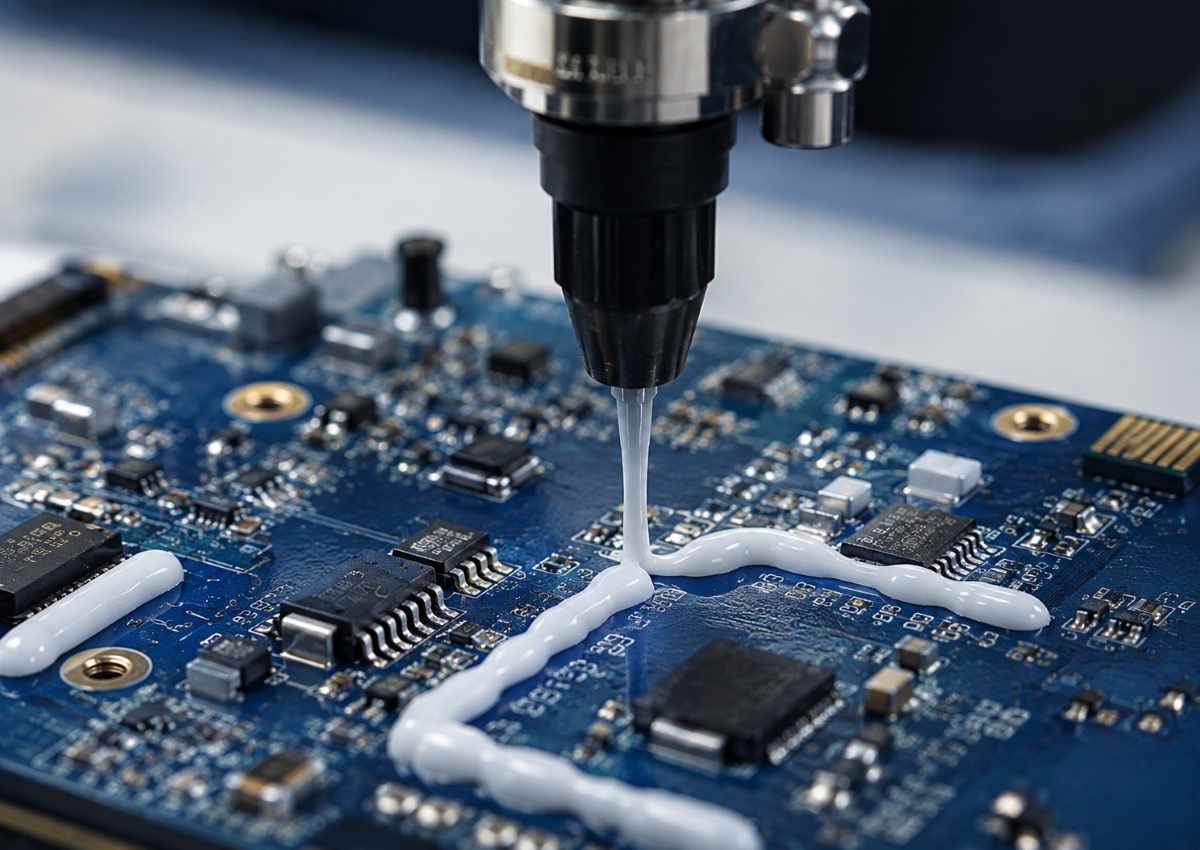
Adhesives and Sealing Materials
These materials, which are frequently used in the assembly of electronic devices, may also contain substances regulated by RoHS. Testing these samples is therefore an important step in ensuring the conformity of the entire product.
Norms and standards in RoHS testing
RoHS testing plays a central role in compliance with statutory requirements for electrical and electronic products. Testing is based on internationally recognised norms and standards to ensure that test methods are implemented consistently and reliably.
The role of DIN EN 62321 in RoHS testing
One of the most important standards for RoHS testing is DIN EN 62321, which specifies the precise method for the determination of hazardous substances in electrical and electronic equipment. It describes in detail how samples are prepared, analysed and documented to ensure compliance with the RoHS Directive. The standard is divided into several parts covering different analytical methods and substances. It includes tests for lead, mercury, cadmium, hexavalent chromium and brominated flame retardants (PBB and PBDE).
The link to the CE marking
In addition to the RoHS Directive, the CE marking is also an important factor for the commercialisation of electrical and electronic products in the European Union. The CE marking indicates that a product meets the European requirements for safety, health and the protection of the environment – also including RoHS conformity. A successful RoHS test is therefore a necessary prerequisite for obtaining the CE marking and placing a product on the market in the EU.
REACH as a supplementary regulation to RoHS
In addition to the RoHS Directive, the REACH Regulation (Registration, Evaluation, Authorisation and Restriction of Chemicals) is also relevant for many businesses. While RoHS applies specifically to electrical and electronic equipment, REACH regulates the use of hazardous chemicals in a wide range of products and industrial sectors.
Both regulations aim to minimise the use of harmful substances and therefore protect the environment and health. Businesses that manufacture electrical and electronic products must therefore often consider both RoHS and REACH requirements to ensure that their products meet all applicable regulations.
RoHS in summary
The RoHS Directive is an important step towards protecting the environment and health in the electrical and electronics industry – from production to the environmentally responsible recycling and disposal of waste equipment. It specifies strict limits for hazardous substances and requires manufacturers to verify the conformity of their products. Precise analytical methods such as combustion ion chromatography (CIC), Fourier transformation infrared spectroscopy (FTIR), gas chromatography (GC-MS) and inductively coupled plasma optical emission spectrometry (ICP-OES) can ensure that products meet RoHS requirements and are therefore safe and ecologically sound.