
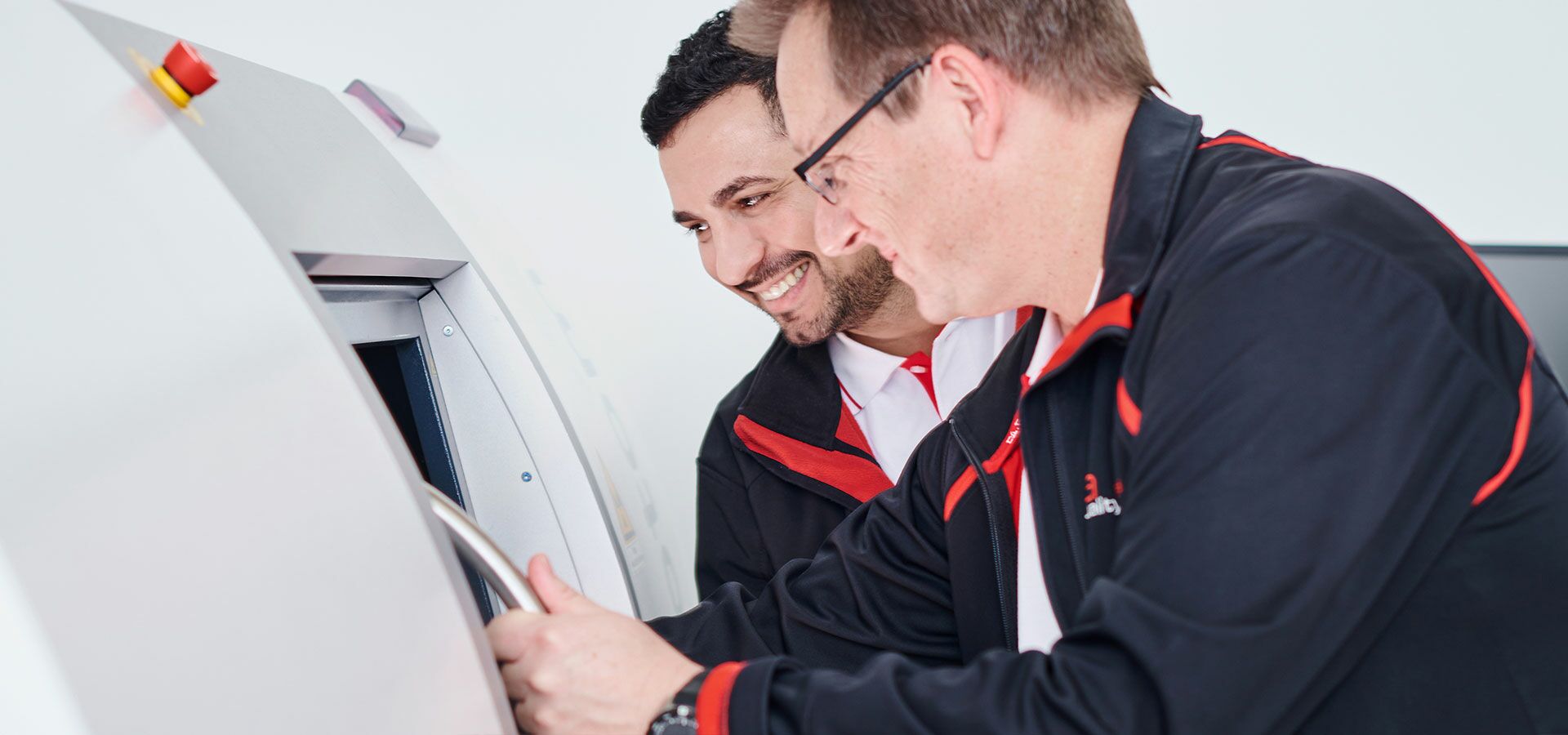
Fast, reliable
measurement results
- Automated 2D X-ray inspection (AXI) with the ability to detect detail down to 0.5 µm
- High-resolution depiction of the 3D volume with the ability to detect detail down to 0.8 µm
- Metrological evaluation of standard geometries and freeform surfaces
- Geometry comparison, e.g. nominal-actual comparison or wall thickness analysis with colour-coded 3D depiction of the deviations
- Versatile volume-based analysis options, e.g. defect analysis, porosity and inclusion analysis, assembly checking, fibre composite analysis, foam structure analysis and much more
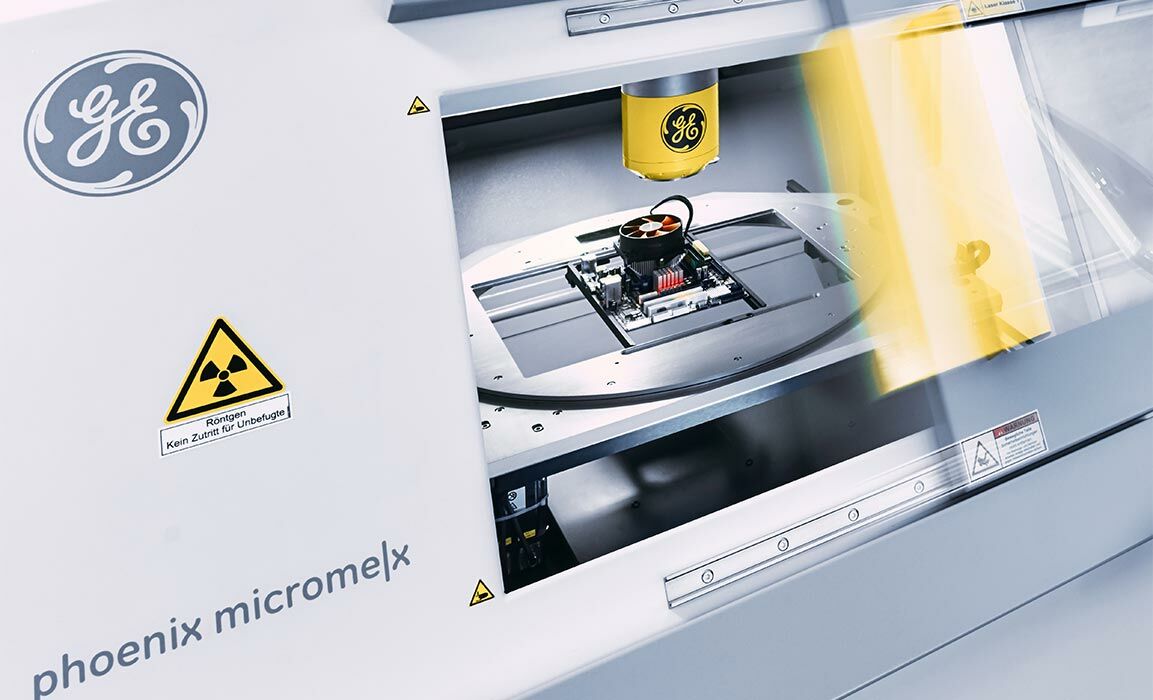
2D X-ray inspection
For the cost-effective, non-destructive serial testing of high-quality integrated circuit packaging, in particular for printed circuit boards (PCBs) and assemblies with BGA ICs, we rely on automated X-ray inspection (AXI). Our high-resolution 2D X-ray images with the ability to detect detail down to 0.5 µm offer you accurate detection of defects in realtime.
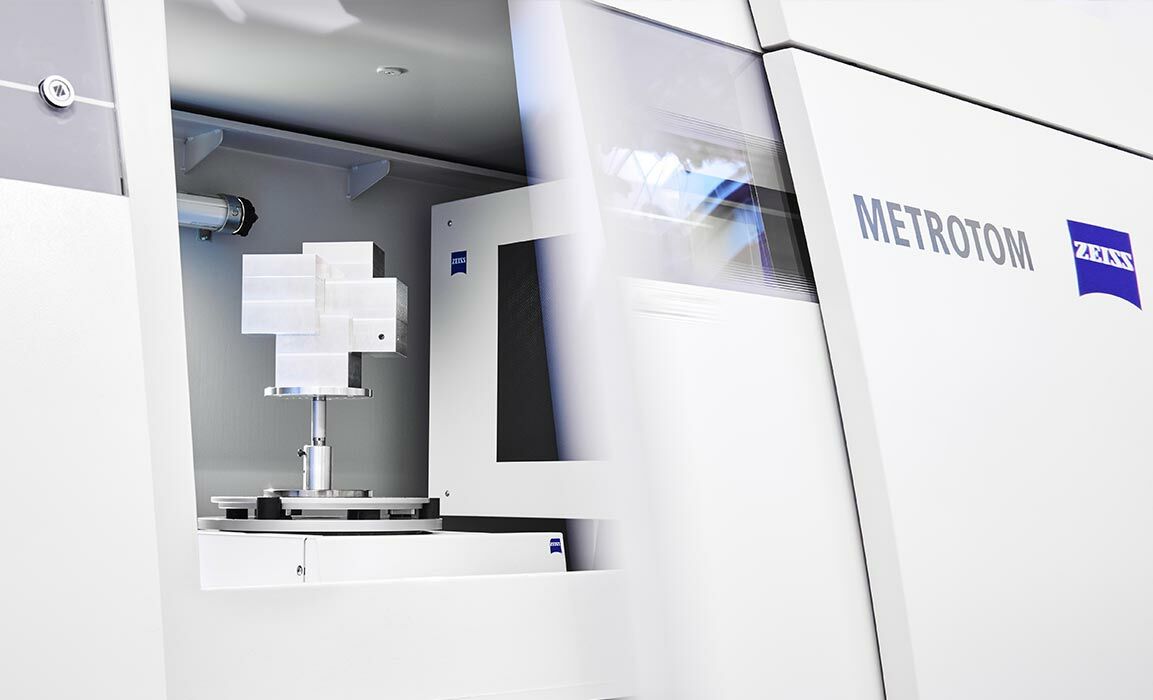
3d Computed Tomography
3D computed tomography is ideal for the high-resolution depiction of a 3D volume with the ability to detect detail down to 7 µm. Our modern range of equipment offers you versatile volume-based analysis options, e.g. defect analysis, assembly checking and nominal-actual comparisons or measurements of complex internal geometries.
![Evaluation [&] analytics](/assets/images/4/industrielle-computertomographie-auswertung-analytik-yq9dga8mbzsrpnt.jpg "Evaluation [&] analytics")
Evaluation & analytics
We offer versatile volume-based analysis options, such as inspection of internal defects, shape deviations, inclusions, target/actual comparisons or 3D measurements of complex internal geometries.
Applications of Industrial Computed Tomography
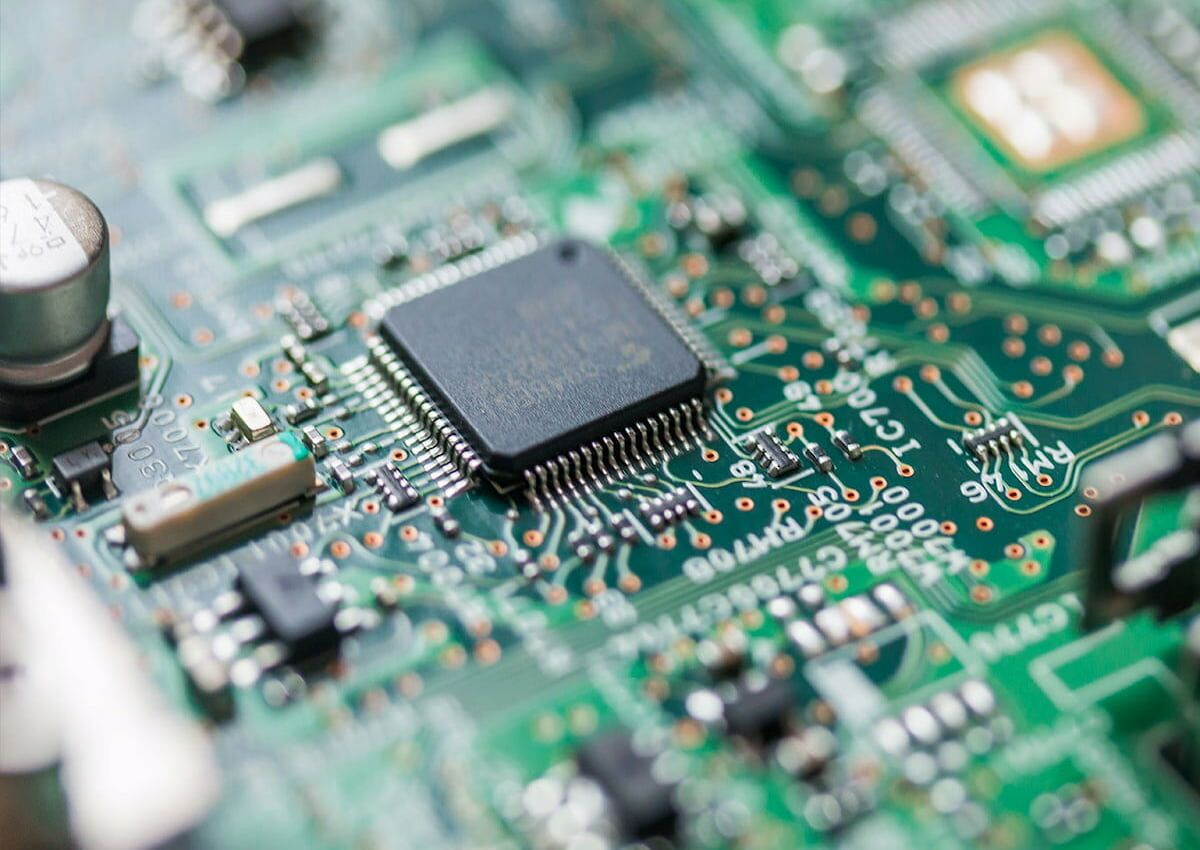
Electronics Manufacturing
High-resolution imaging techniques are indispensable for reliable quality control and accurate defect detection in electronics manufacturing. We use 2D X-ray inspection and 3D computed tomography to examine the quality of assembled and unassembled printed circuit boards, chips, and other electronic components, and to locate and quantitatively evaluate hidden defects and flaws such as cracks, solder defects, or missing connections.
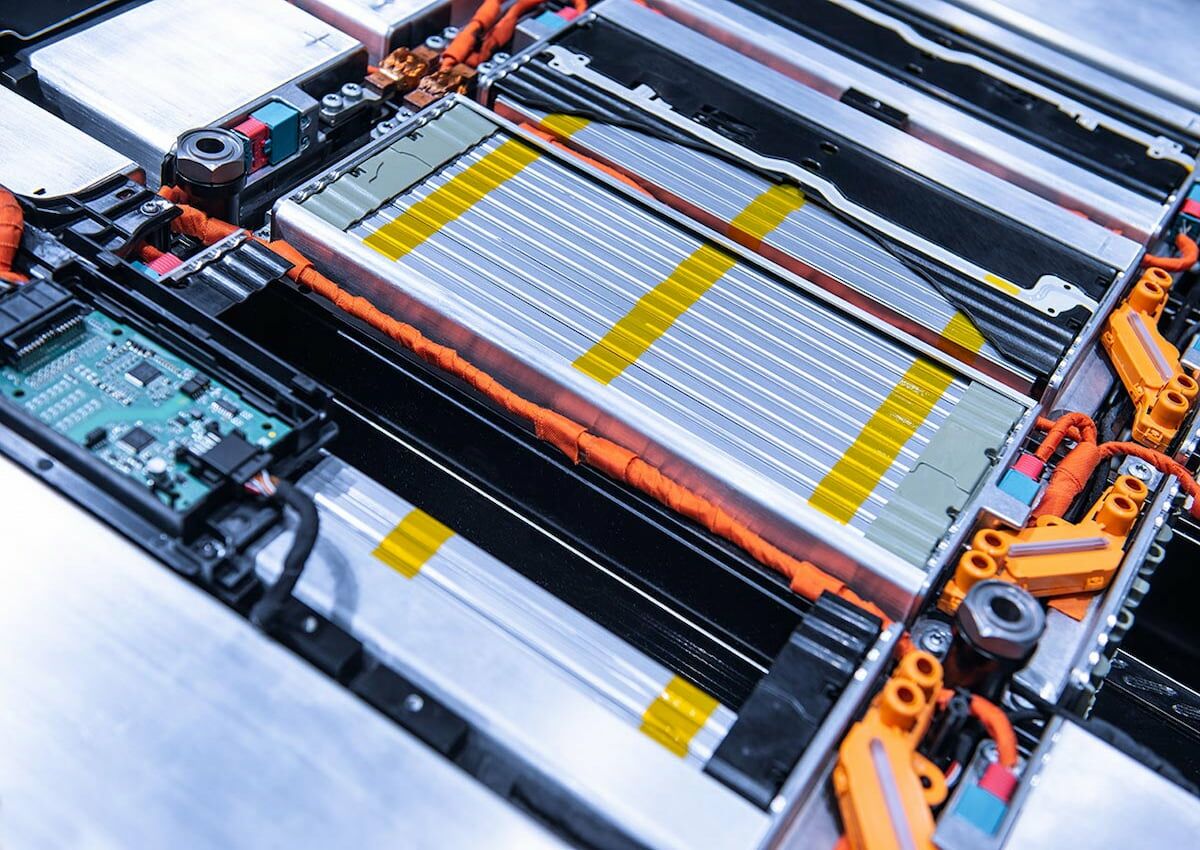
Battery Cell Analysis
Industrial computed tomography enables the non-destructive inspection of battery cells, battery components, and complete battery systems. High-resolution 3D volumetric data enables the analysis of cell structure, inspection of anode and cathode overhangs, assessment of jelly roll homogeneity, and detection of electrode cracks, welding defects, electrolyte levels, and assembly defects. This allows for the early detection of safety-critical defects and the targeted optimization of manufacturing processes.
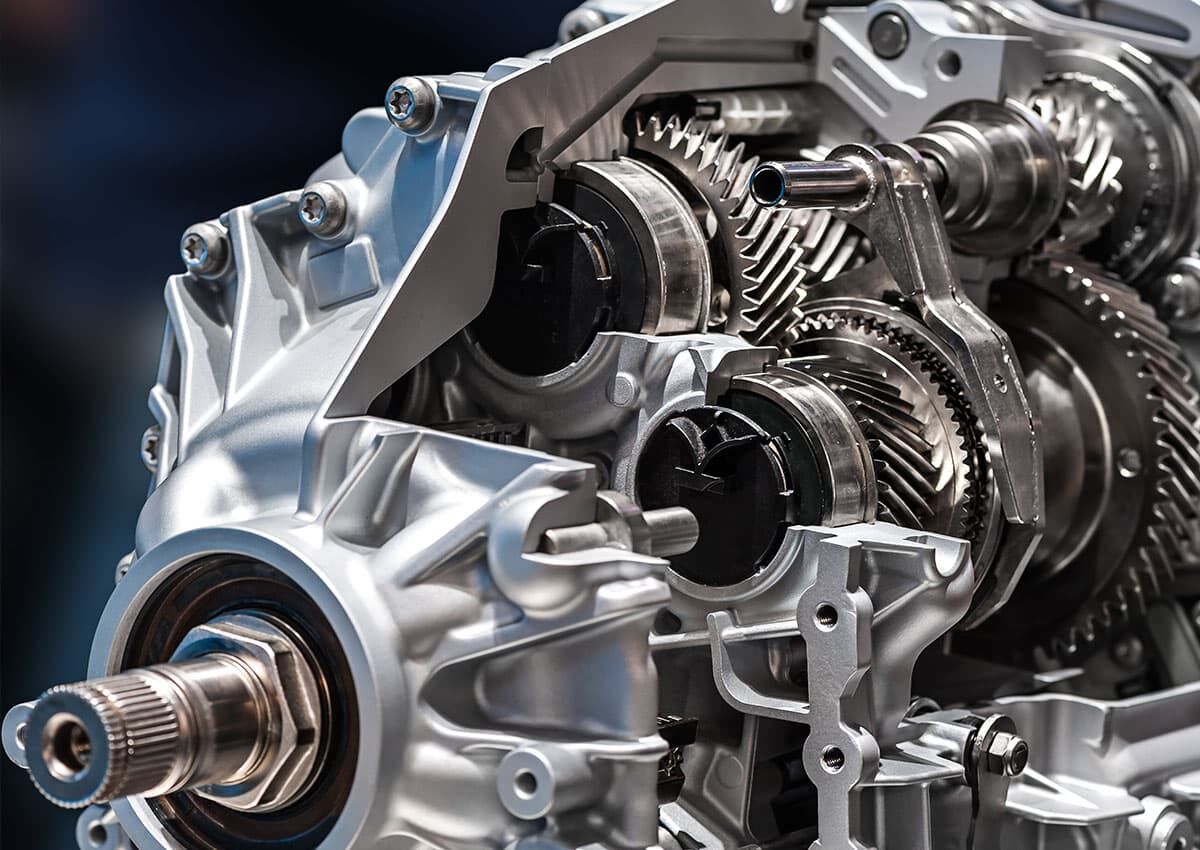
Automotive
The non-destructive analysis of the complex internal and external geometries of components and assemblies is an essential element of quality control in the automotive sector. During nominal-actual comparisons and wall thickness analyses, our colour-coded 3D depiction of the deviations provides you with a clear defect analysis. We can also non-destructively depict and analyse pores, shrinkage cavities and inclusions in cylinder heads, gearbox housings or other functional parts.

Security & Defence
For safety-critical components and assemblies, industrial computed tomography provides a non-destructive and highly precise analysis of internal and external structures. Dimensional accuracy, material condition, and hidden defects can be reliably inspected and documented. In addition, CT enables the inspection of welds, coatings, and complex assemblies, as well as the detection of cracks, inclusions, or assembly errors, to meet the highest quality and safety requirements.

Aerospace Indutsries
In the aerospace industry, industrial computed tomography enables non-destructive testing of safety-critical components that must meet the highest standards of quality and reliability. Complex internal geometries can be fully captured, nominal-to-actual comparisons can be performed, and defects such as cracks, porosity, inclusions, or manufacturing defects can be reliably located. High-resolution 3D analysis supports product development as well as manufacturing monitoring and damage analysis.
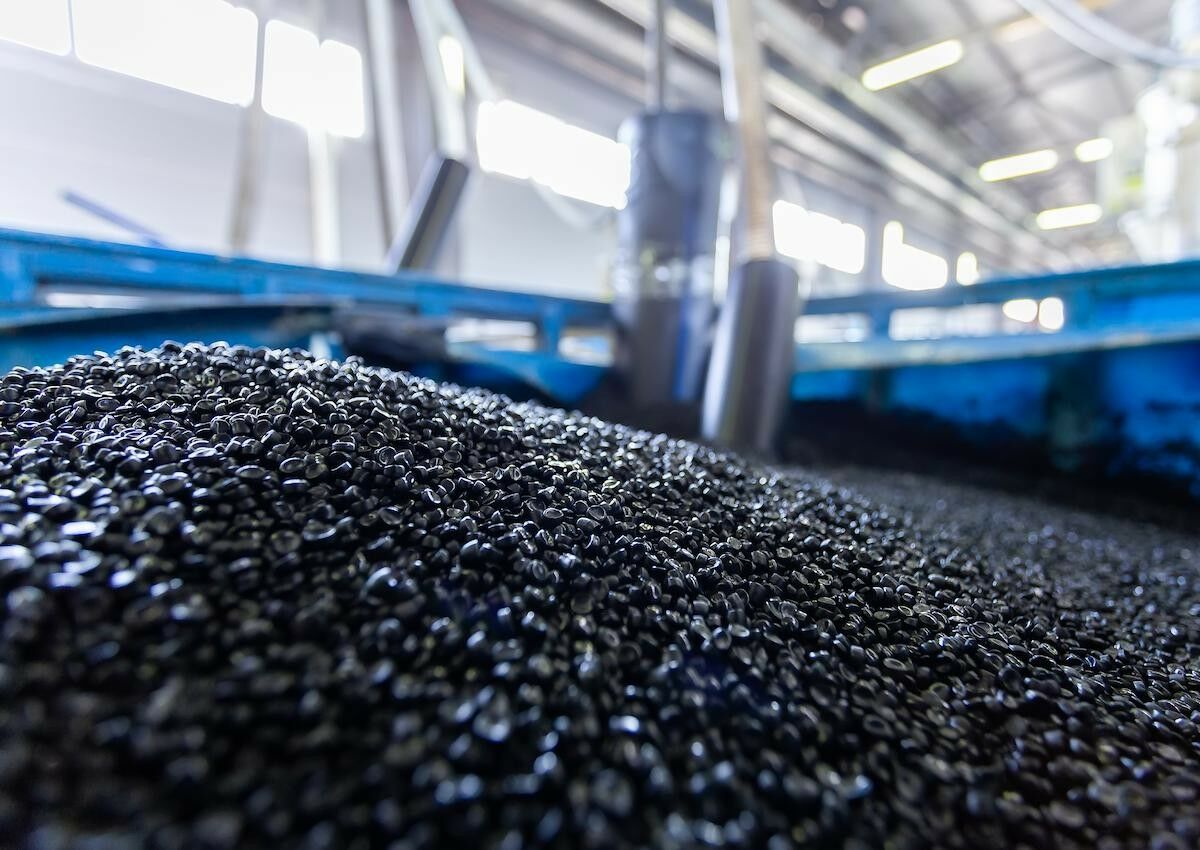
Plastics Industry
Ever tighter tolerances in plastic injection moulding inevitably require continuous process optimisation and strict quality controls to remain competitive. Using industrial computed tomography, we can verify the quality of the injection moulding and detect defects in the injection moulding process, e.g. air inclusions, porosity, sink marks, flow lines, deformation or incorrect fibre orientation. Initial sample testing can be supplemented with volume-based analysis options, such as wall thickness analyses, nominal-actual comparisons or porosity and inclusion analyses.
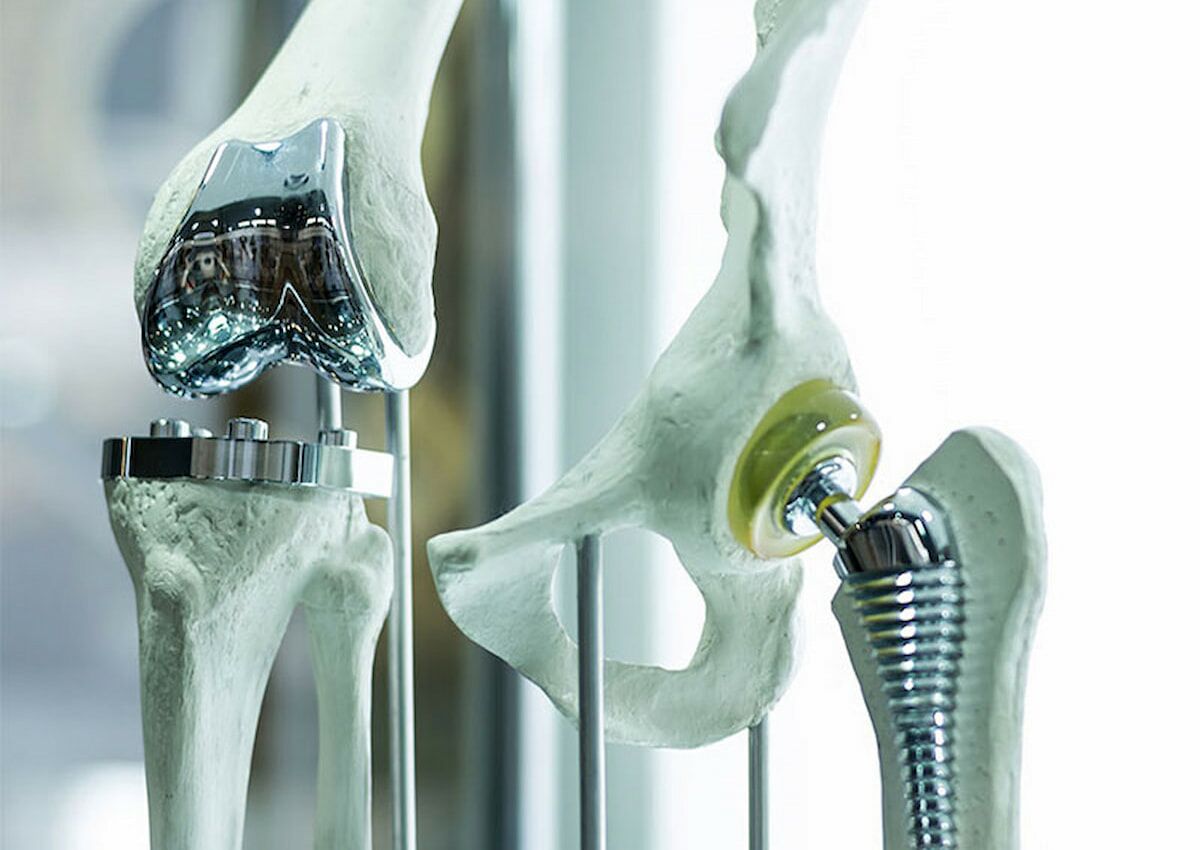
Medical Technology
Industrial computed tomography enables non-destructive quality control of high-precision medical device components and complex assemblies. Both internal and external geometries can be measured with high accuracy and compared with CAD data. In addition, pores, cracks, material defects, or manufacturing deviations can be detected and documented at an early stage to reliably ensure the highest quality and safety standards in medical technology.
Frequently Asked Questions
About Industrial Computed Tomography
Here you'll find answers to the most important questions about CT analysis.
Our non-destructive testing using industrial computed tomography covers both three-dimensional measurements as well as defect analysis on components and other objects made of non-metallic and metallic materials, plastics, composite materials and organic materials in accordance with recognised standards (VDI/VDE 2617 and 2630, DIN EN ISO 10360) as well as in-house methods and is accredited in accordance with DIN EN ISO/IEC 17025 by Deutsche Akkreditierungsstelle GmbH (DAkkS).
The appropriate CT method mainly depends on the component size, material density and required resolution. Nano-CT is suitable for very small structures, micro-CT for small to medium-sized components, and macro-CT for large or particularly dense objects.
Industrial computed tomography offers a wide range of possibilities in the field of reverse engineering. Thanks to high-precision three-dimensional imaging, existing components can be analyzed in detail and digital models can be created. This process, known as surface reconstruction, makes it possible to generate accurate digital replicas of physical objects. These models serve as the basis for the further development, optimization, or reproduction of components, which significantly accelerates and improves the development process.
Industrial computed tomography is a non-destructive X-ray method that generates three-dimensional volume data of a component. It makes internal and external structures visible without dismantling or damaging the component, allowing defects, inclusions and dimensional deviations to be identified.
Industrial computed tomography can be used to inspect components made of metals, plastics, ceramics and composite materials, as well as complete assemblies. The suitable CT system depends on the component’s size, geometry, material density and the required level of detail.
Added value at quality analysis
Speed
You receive from us precise measurement results, even at short notice. We have both the necessary personnel and a large range of equipment with excellent CT systems.
Quality
We provide highly precise measurements of workpieces, initial samples and series production components of any size and in any quantity. For this purpose, we have more than 1,000 m² of accredited, permanently air-conditioned measuring rooms.
Range of equipment
Our versatile range of systems covers performance classes up to 450 kV. We acquire all workpieces digitally using 2D and 3D methods, irrespective of weight, material density and geometry.
Accreditation
The accreditation of our inspection methods and measuring rooms signifies for you certainty, dependability and objectivity.
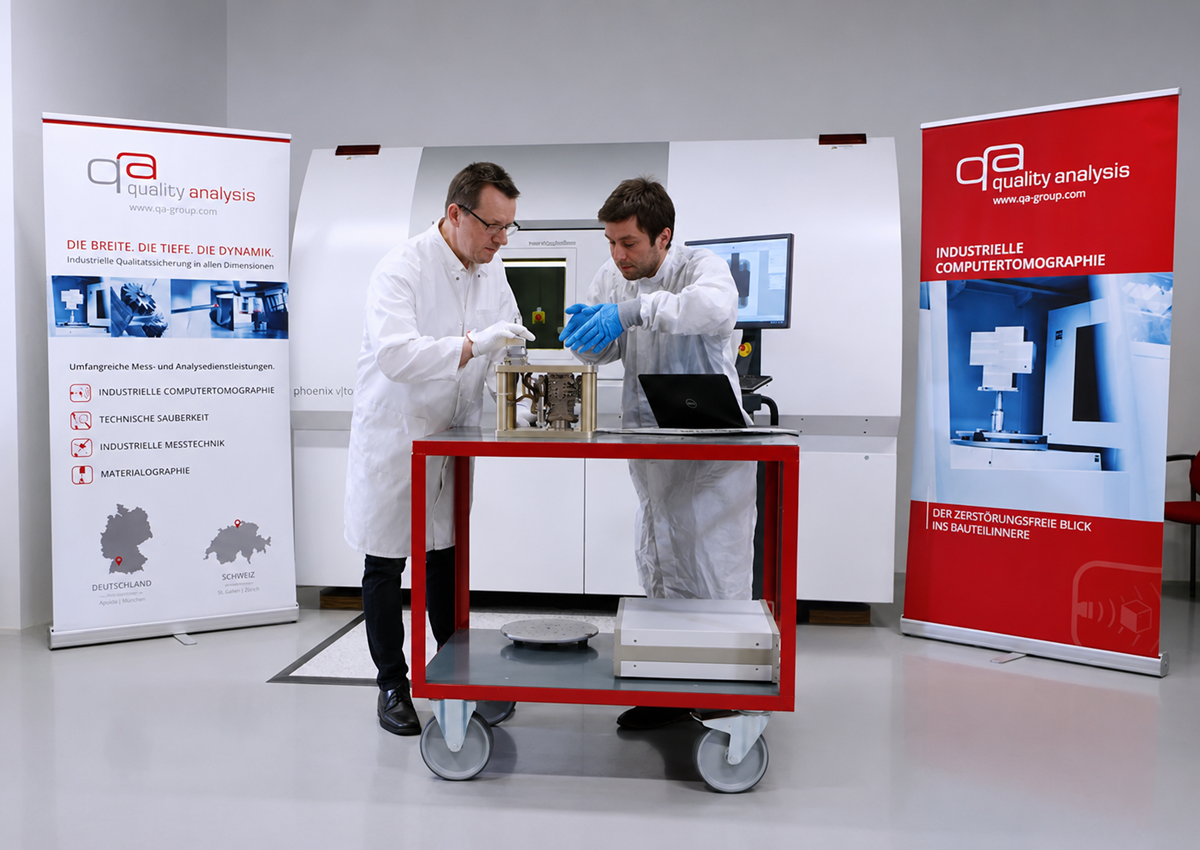
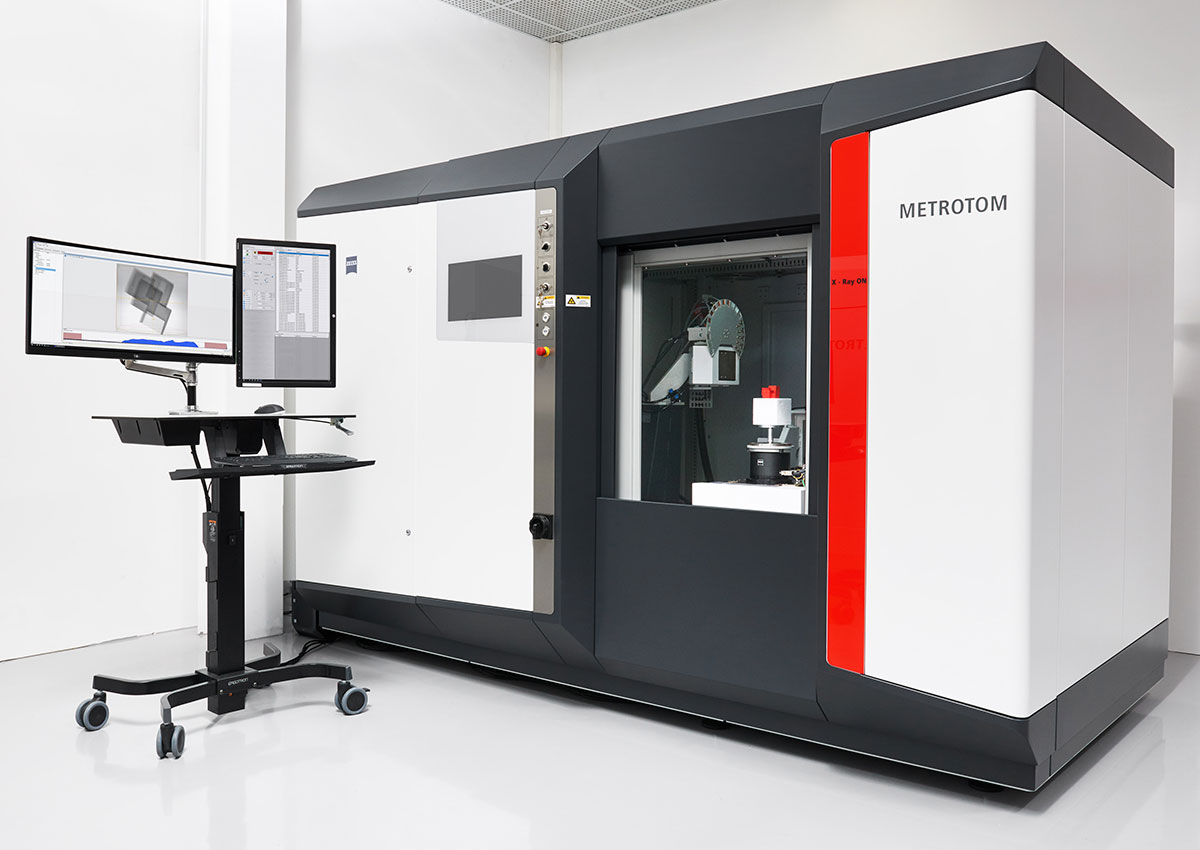
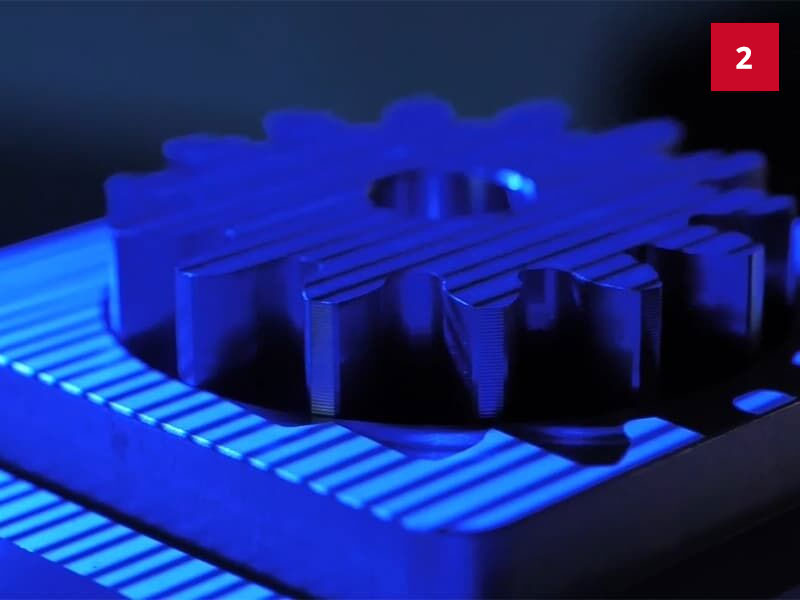

Precise analyses thanks to the latest ct technology
Our versatile range of systems covers performance classes up to 450 kV with 2D X-ray machines and 3D computer tomographs. We acquire all workpieces digitally using 2D and 3D methods, whether small or large components, with differences in weight, material density and geometry. The maximum component size that can be acquired is 550 mm in diameter and 1200 mm in height. We select for you the appropriate machine and analytical method depending on the resolution required, component size and material density. We prepare our quick analyses and clear evaluations using evaluation software from VGStudio MAX, ZEISS Inspect Professional and ZEISS Calypso.

Quality Analysis
the right partner for
industrial computed tomography
What can we measure and analyse for you?
We would be pleased to advise you about the numerous possibilities and combined analytical methods. The goal: the best, most cost-effective and most efficient analysis of your component.