
Metallographic analysis
The internal structures of a material determine its strength, quality, and service life. But how can these invisible properties be made visible? Through precise sample preparation and detailed examination, metallographic analysis provides valuable insights into the composition and characteristics of materials.
Table of contents
- What Is a metallographic analysis?
- Purpose and significance of metallographic analysis
- Metallographic analysis at Quality Analysis
- Types of metallographic analysis
- The process of creating a material sample
- Common errors and artifacts in metallographic analysis
- Analytical methods used in metallographic analysis
- Applications of metallographic analysis
- Frequently asked questions about metallographic analysis
- At a glance: Metallographic analysis

Contact us –
expert support is just a conversation away.
Using state-of-the-art analytical methods, we assist you with quality issues, damage claims, and development challenges – providing precise, well-founded, and solution-oriented support.

What Is a metallographic analysis?
Metallographic analysis is a method to characterize materials, particularly within the field of metallography, used to examine the microstructure and macrostructure of materials.
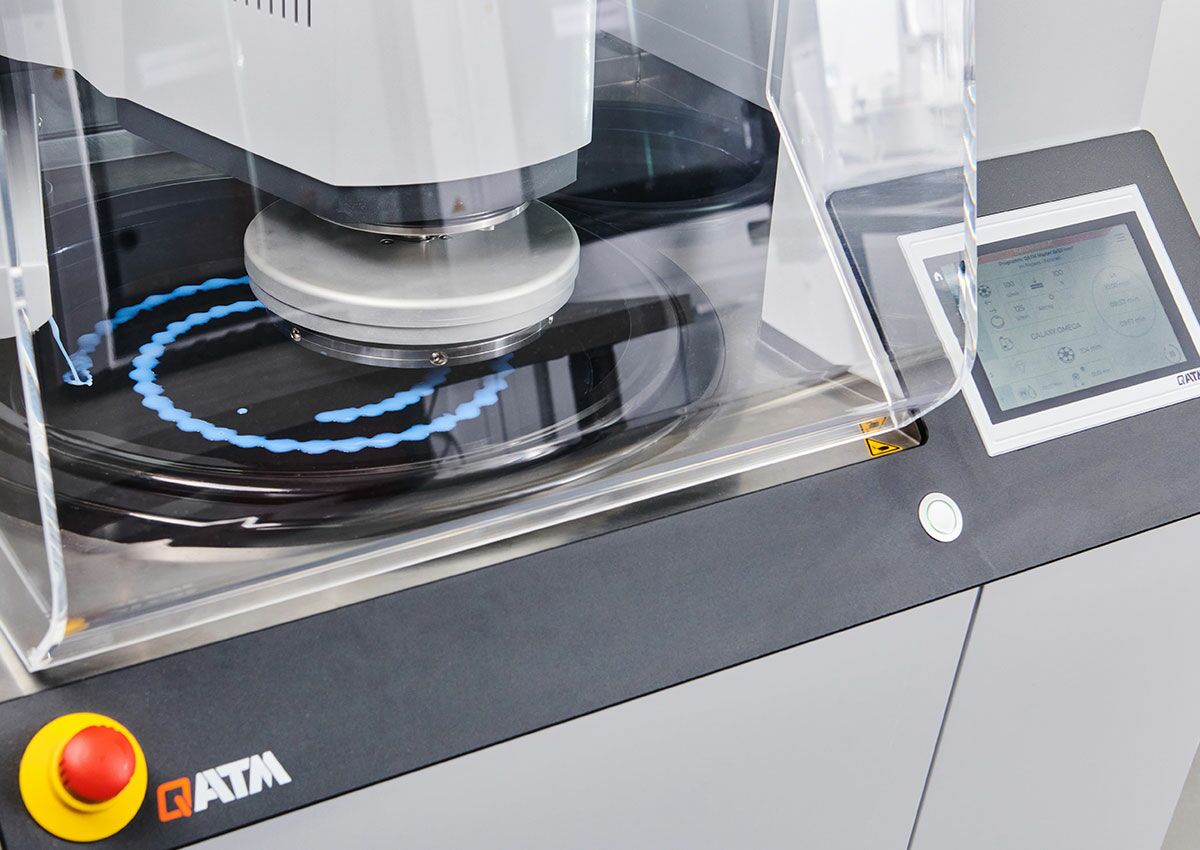
To perform the analysis, a material sample is carefully prepared through processes such as sectioning, grinding, polishing, and etching. This preparation reveals microstructure features, phase boundaries, and potential defects within the material.
The examination enables the evaluation of grain size, inclusions, porosity, and microcracks, among other characteristics. These features play a critical role in determining a material’s quality, mechanical performance, and suitability for its intended application.
Purpose and significance of metallographic analysis
Metallographic analysis is used to visualize and evaluate the internal structure of a material. Based on the analysis, important conclusions can be drawn regarding material quality, manufacturing processes, or the causes of damage.
Typical evaluation criteria include:
Metallographic analysis
at Quality Analysis
At Quality Analysis, we use metallographic analysis to examine materials, coatings, and components in detail. From precise sample preparation to comprehensive evaluation, we deliver reliable results for quality control, failure analysis, and material assessment.
Our services include:
- Microstructure and porosity analysis to evaluate material quality and manufacturing processes
- Layer thickness measurements to ensure uniform and functional coating performance
- Hardness testing according to Vickers, Knoop, and Brinell standards, tailored to your specific requirements
- Spark or optical emission spectroscopy (OES) for determining alloy composition
- Analysis of weld seams and solder joints to identify processing defects and potential weak points
- Defect analyses in accordance with VDI 3822, including the investigation of cracks, fracture surfaces, and corrosion damage for accurate root cause determination
Types of metallographic analysis: macroscopic and microscopic examination – two perspectives on material structures
Metallographic analysis is based on two complementary approaches: macrostructural and microstructural examination. Together, they provide a complete picture of a material’s condition and quality, enabling the detection of everything from visible defects to the finest microstructural features that influence performance and durability.
Macrostructural examination:
An overview of material structure
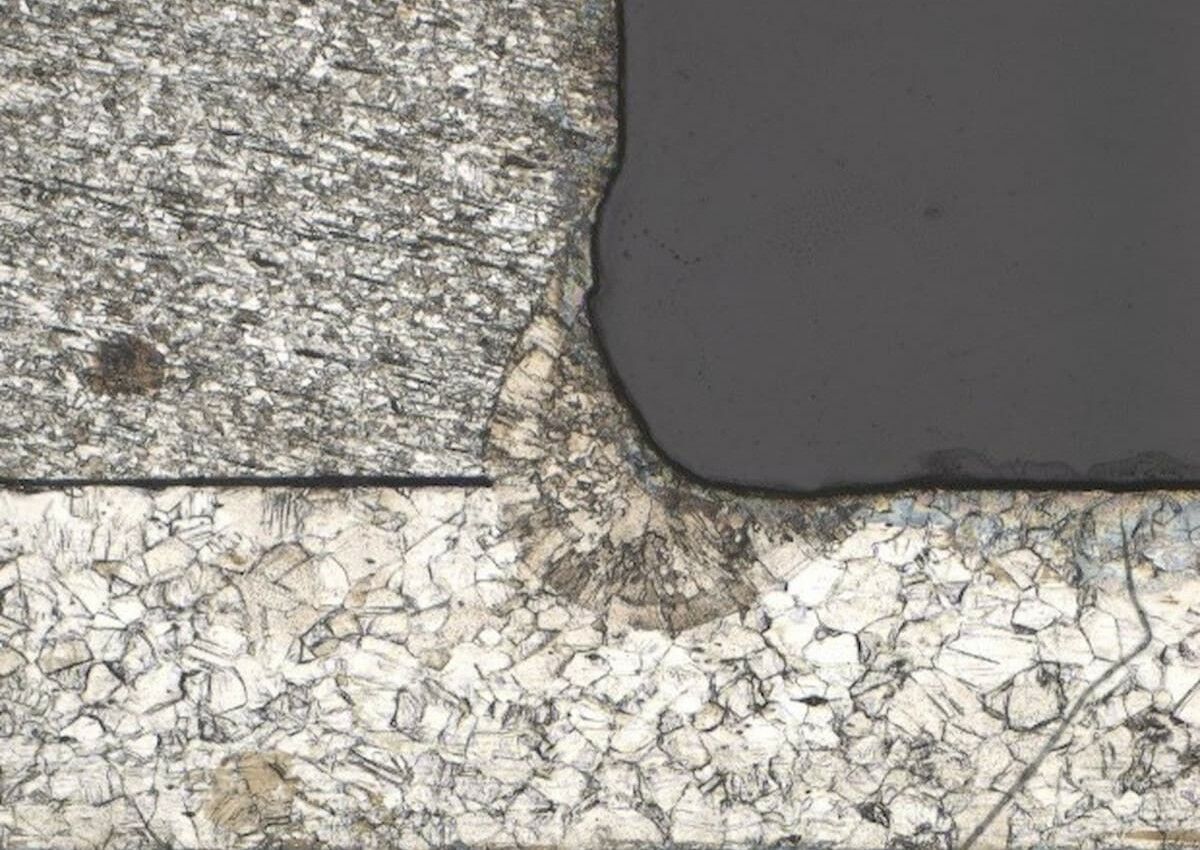
Macrostructural examination is used to evaluate large-scale features and defects such as porosity, casting defects, and weld seam defects. The sample is typically etched to enhance contrast and reveal structural characteristics within the material. Analysis is performed either with the naked eye or at low magnifications, generally ranging from approximately 6x to 60x.
Microstructural examination: Detailed analysis of material
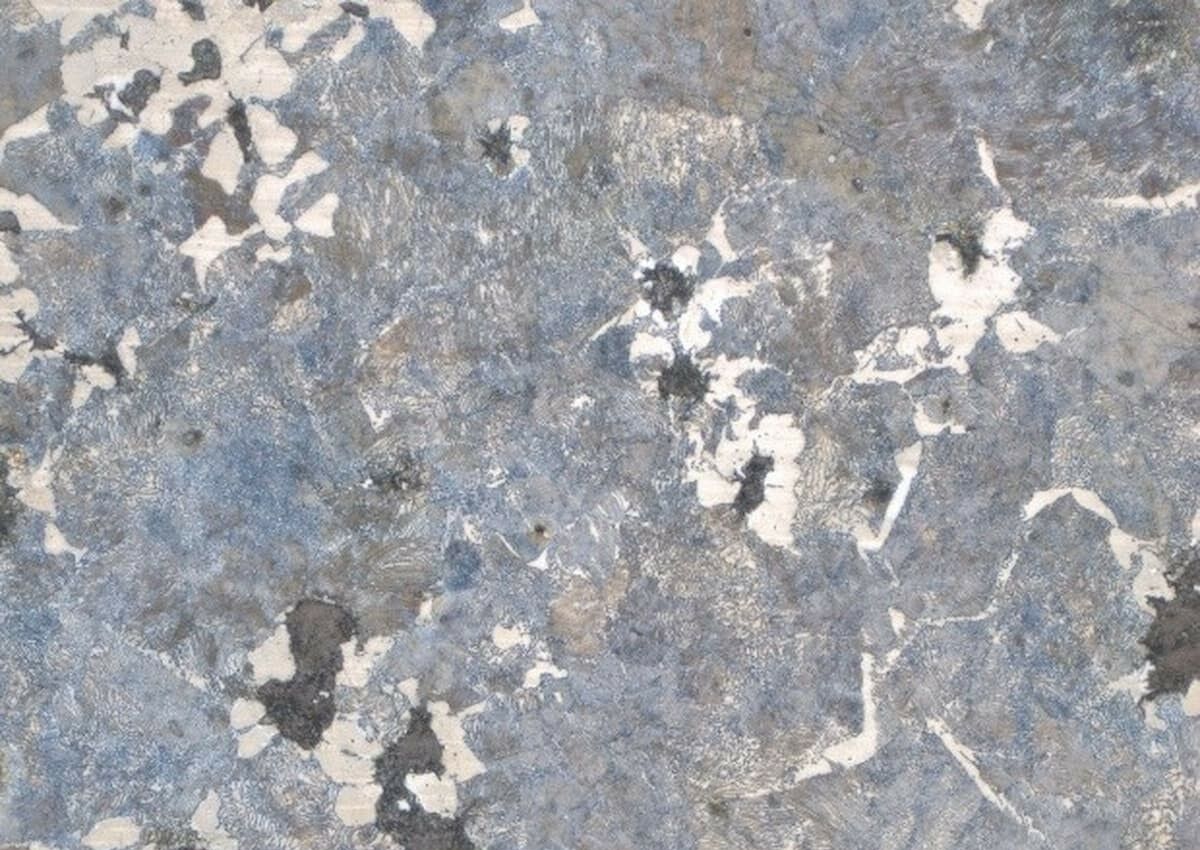
Metallographic examination provides insight into the fine details of a material, including grain size, phase boundaries, microcracks, and non-metallic inclusions. Careful sample preparation is essential to produce a mirror-like, artifact-free surface that accurately reflects the material’s true structure. The analysis is carried out using optical microscopes and laser scanning microscopes, typically at magnifications ranging from approximately 50x to 1,000x.
The process of creating a material sample
Careful preparation of the material sample is essential for a cut to be examined in the laboratory. The quality of these steps has a significant impact on the reliability of the subsequent analysis.
1.
Sampling
A representative area of the material is selected to capture its typical characteristics or specific defects of interest.
2.
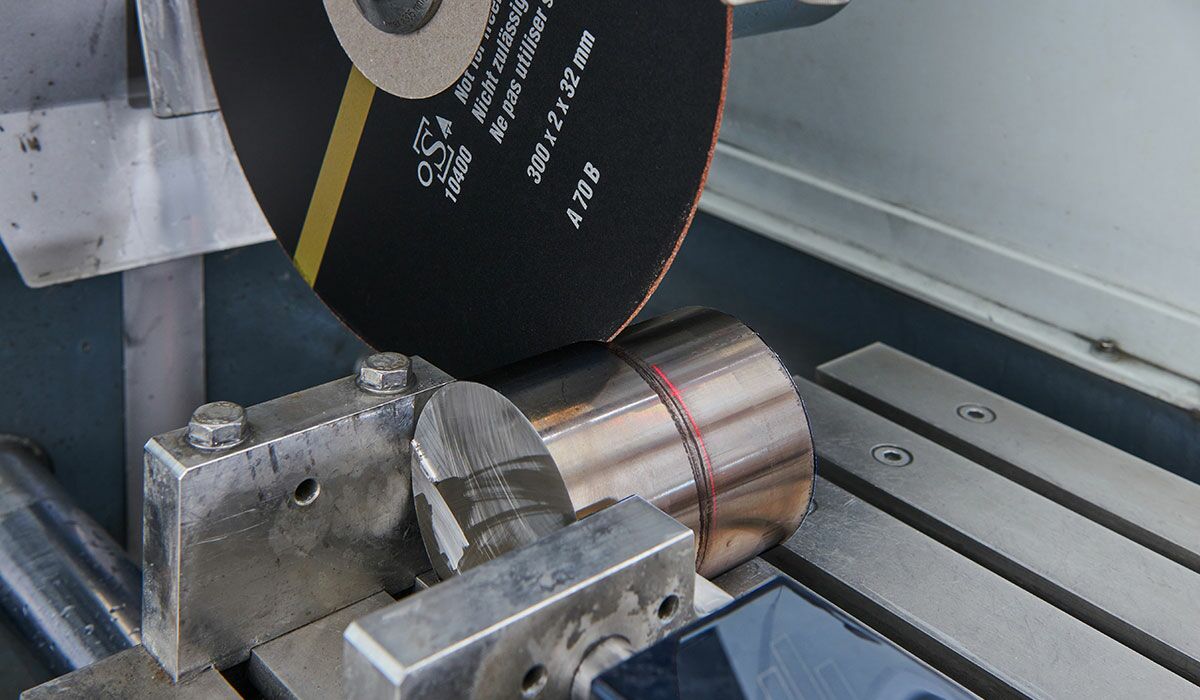
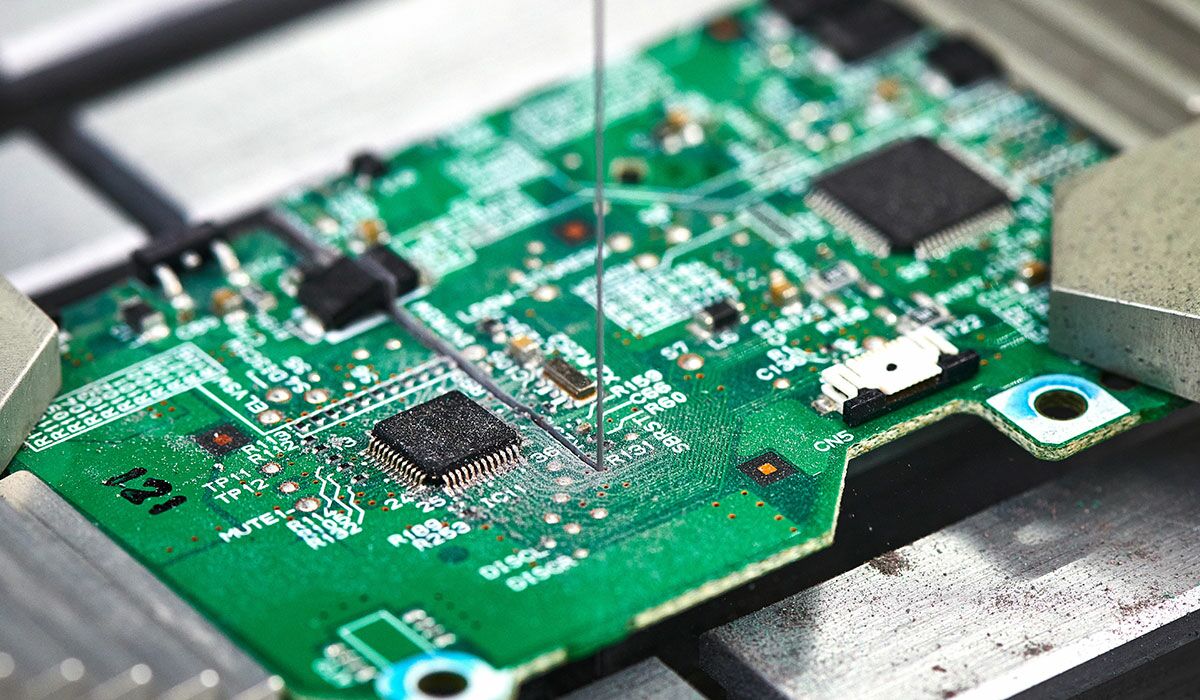
Cutting
The sample is separated from the component using a cutting process that preserves the material’s microstructure and prevents alteration or damage.
3.
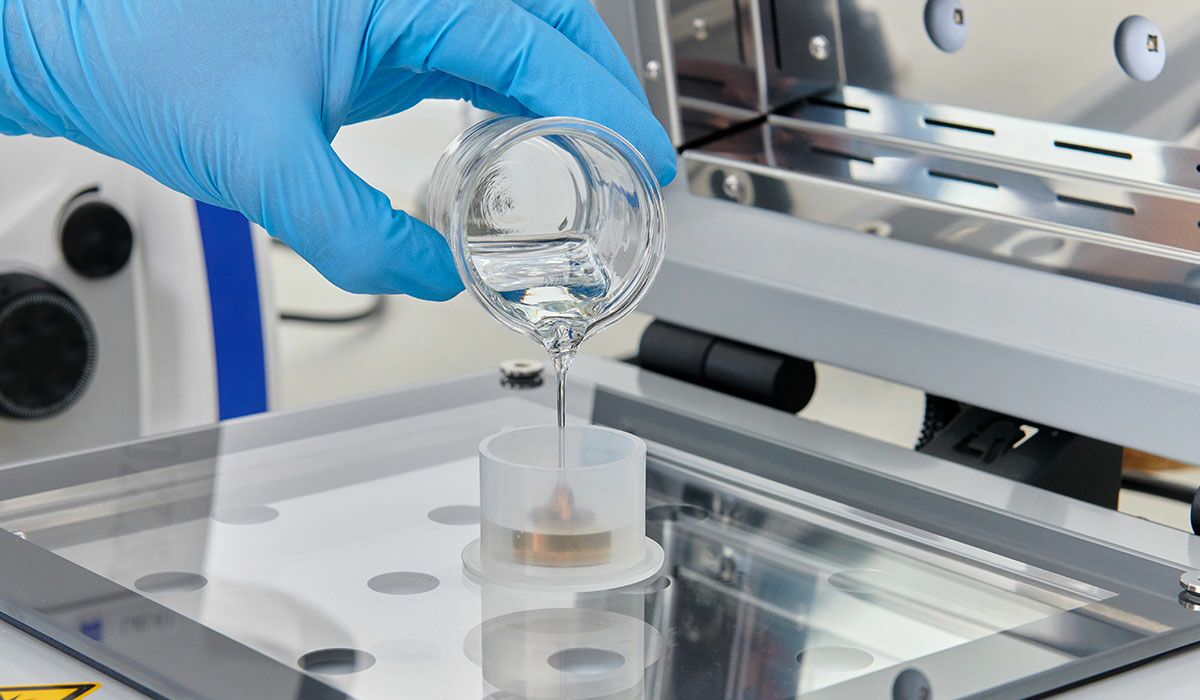
Embedding
To stabilize delicate samples, create a manageable specimen shape, and ensure clear edge definition, the sample is embedded in a mounting resin or similar material and cured. Depending on the application, either cold-mounting or hot-mounting techniques may be used, with conductive or non-conductive materials.
4.
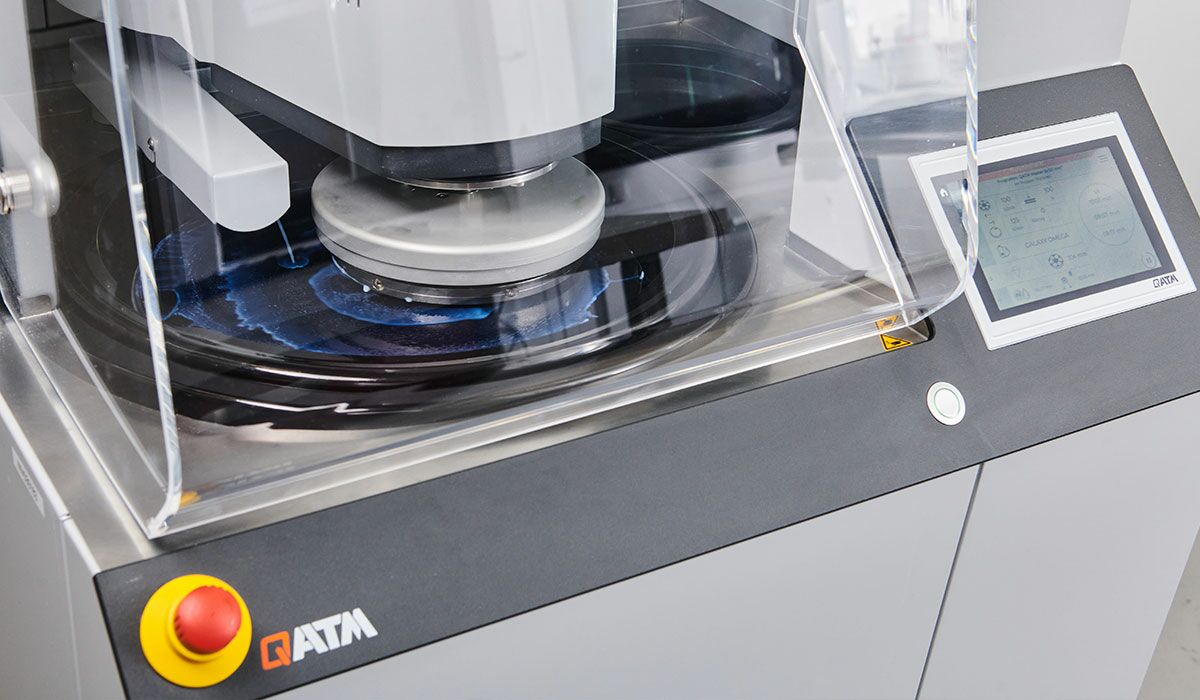
Grinding and polishing
The sample surface is progressively refined using grinding and polishing media until a mirror-like, artifact-free finish is achieved, allowing the microstructure to be observed clearly.
5.
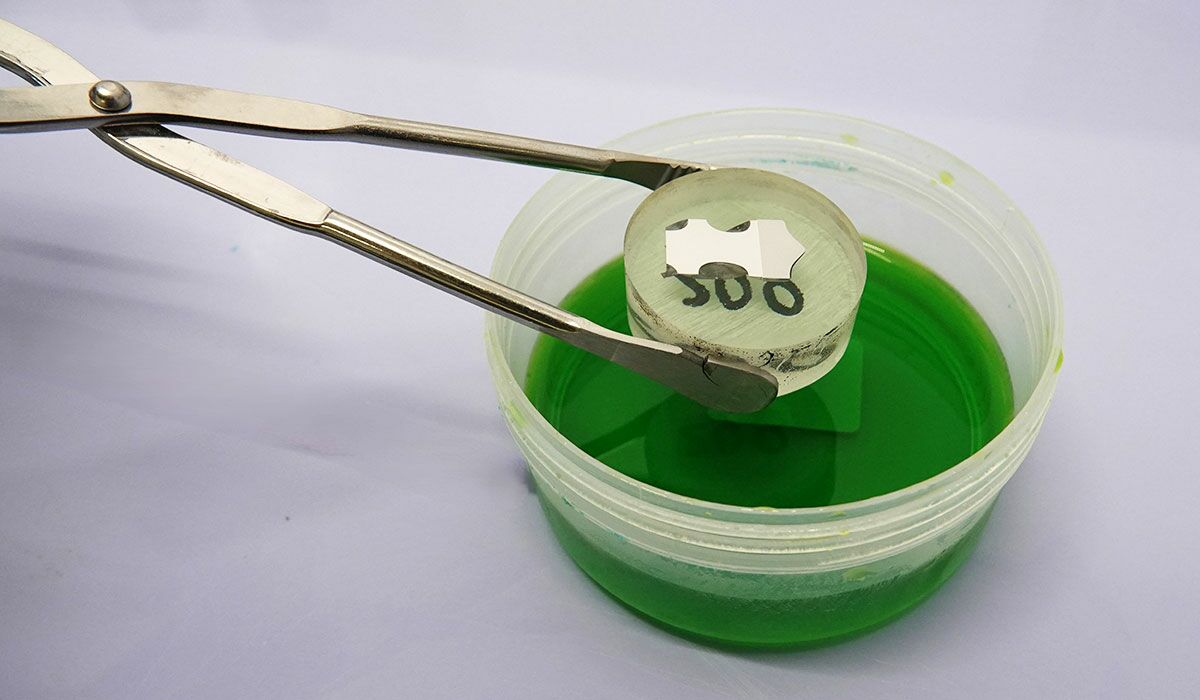
Etching
To reveal the microstructure, the surface is treated with chemical or electrochemical reagents that selectively highlight specific phases, grain boundaries, or structural features.
6.
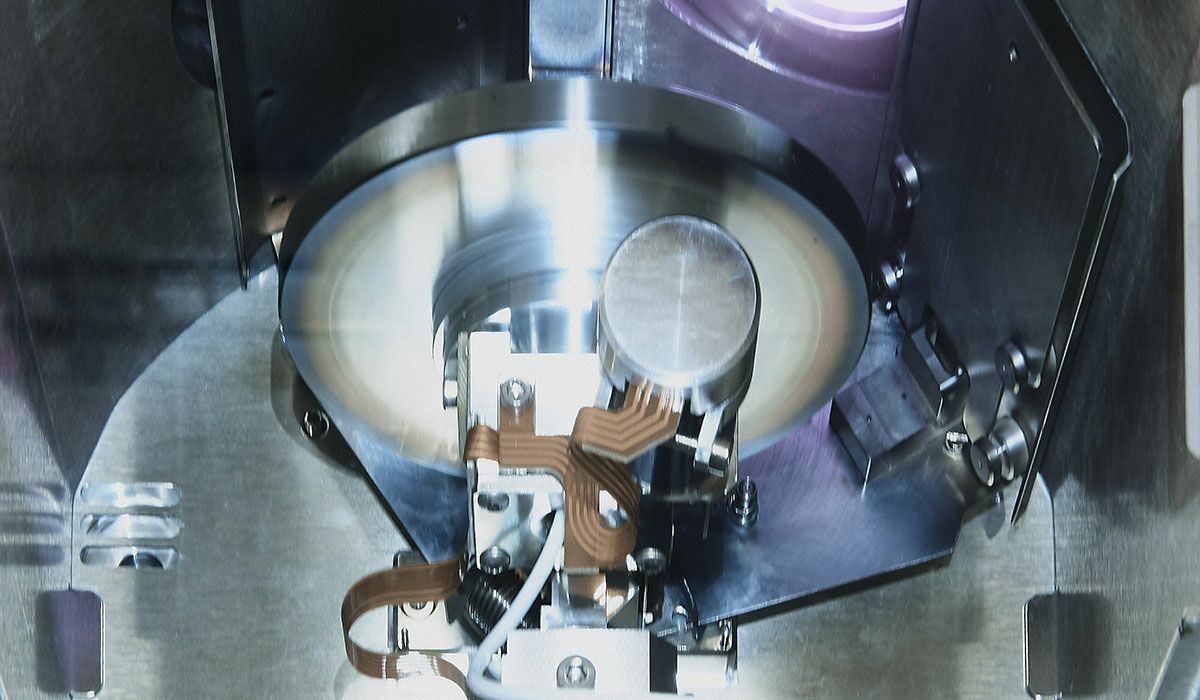
Sputtering
For the analysis of non-conductive samples using a scanning electron microscope (SEM), a thin, uniform layer of carbon or platinum is applied to the specimen surface to make it electrically conductive. This process is known as sputtering.
Common errors and artifacts in metallographic analysis
The quality of a metallographic analysis depends heavily on proper sample preparation. Errors during individual preparation steps can create artifacts that distort the true microstructure and lead to inaccurate interpretations.
Common artifacts include:
- Pull-outs caused by unsuitable polishing media or techniques
- Over-etching of the microstructure, obscuring important features
- Thermal or mechanical edge damage introduced during sectioning or preparation
- Scratches and deformation resulting from improper grinding or polishing procedures
Careful, application-specific sample preparation is therefore essential to ensure accurate and reliable examination results.
Analytical methods used in metallographic analysis
Following sample preparation, the specimen is examined using a range of microscopic and analytical techniques. These methods provide detailed insights into both the material’s microstructure and its chemical composition.
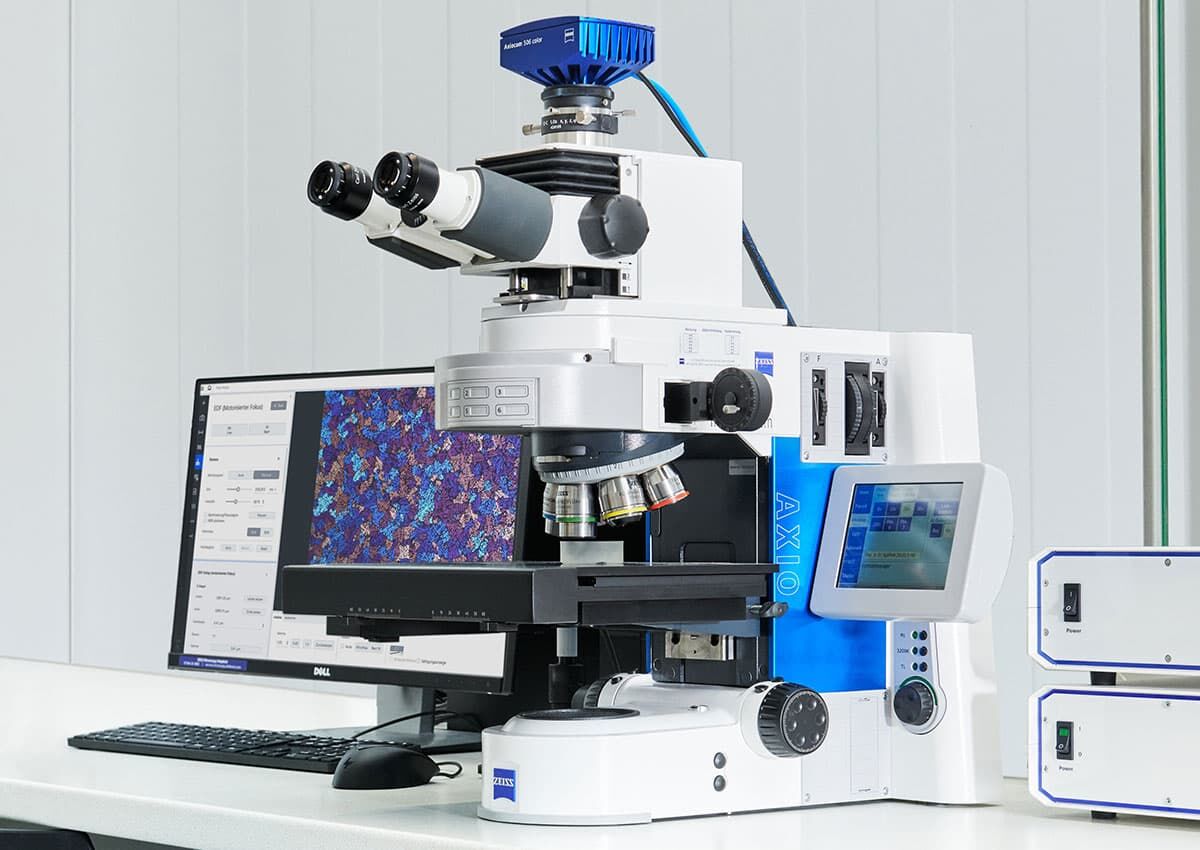
Light microscopy
Optical microscopy is a standard technique in metallographic analysis that makes features such as grain size, phase boundaries, and defects visible at magnifications of up to 1,000×. It is particularly well suited for the rapid evaluation of a material’s microstructure and overall condition.
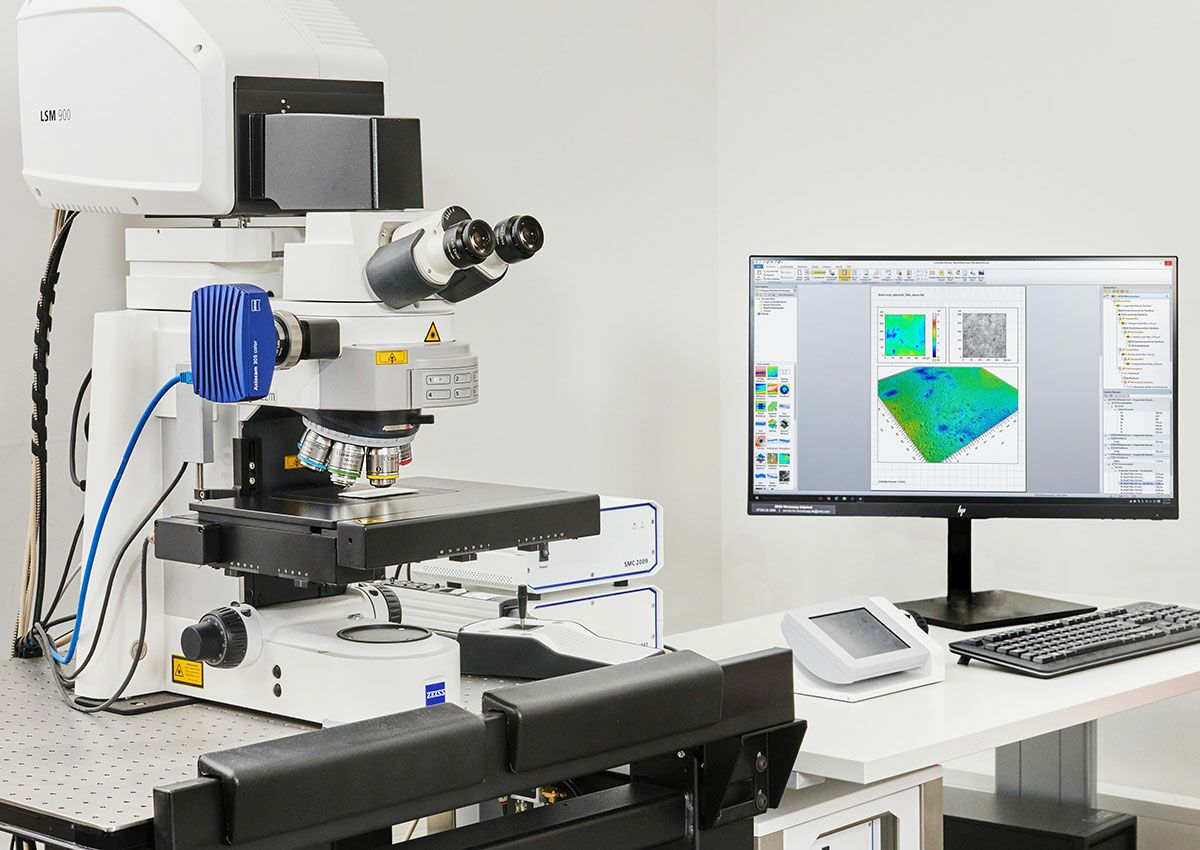
Laser scanning microscopy
Laser scanning microscopy enables three-dimensional imaging of a sample surface with excellent depth of field and high resolution. It is used to analyze fine topographical features, height variations, and surface roughness. This technique provides valuable insights when examining microstructures, coatings, and surface-related characteristics.
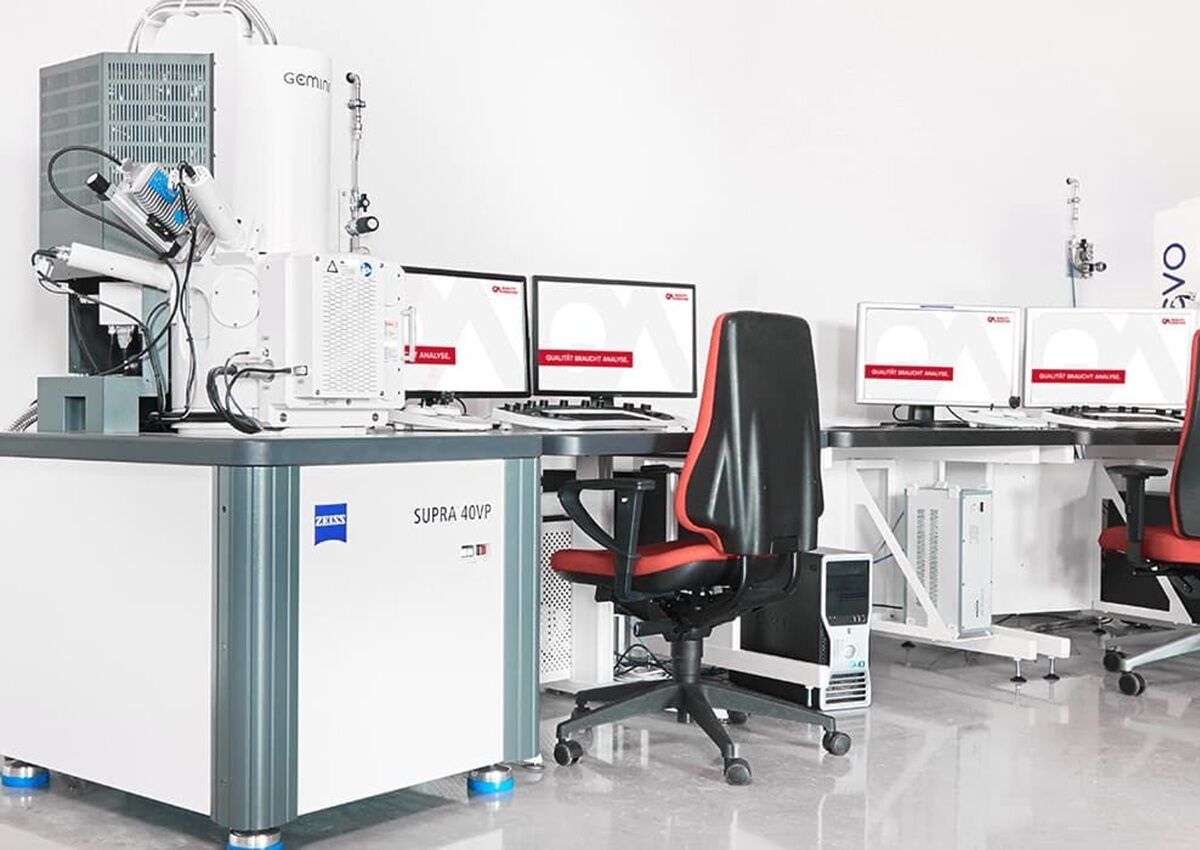
Scanning electron microscopy (SEM)
Scanning electron microscopy (SEM) produces high-resolution images of a sample’s surface and microstructure. SEM analysis is commonly used to visualize grain boundaries, inclusions, and microscopic defects with exceptional detail and precision.
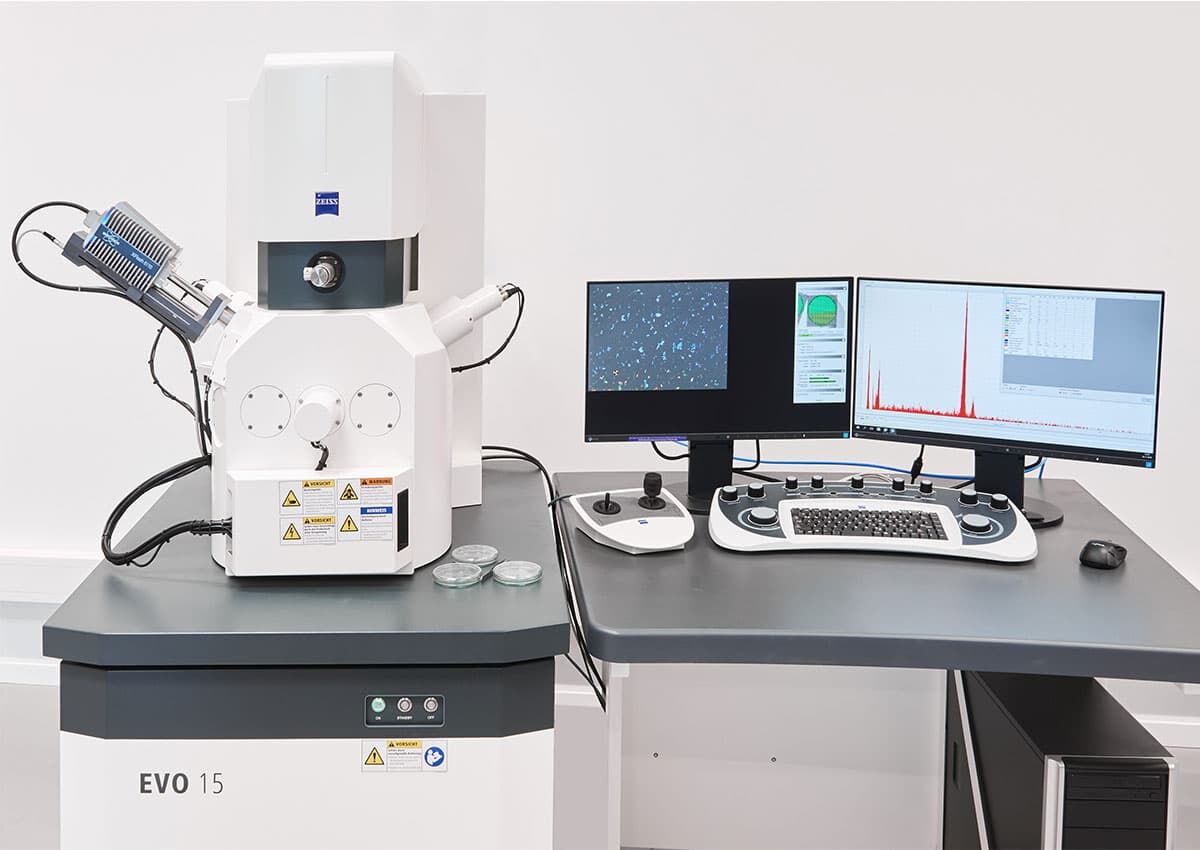
Energy-dispersive X-ray spectroscopy (SEM-EDX)
Energy-dispersive X-ray spectroscopy (EDX), used in conjunction with SEM, enables the analysis of the elemental composition of specific areas within a sample. This technique is particularly useful for the detailed characterization of phases, inclusions, and material inhomogeneities.
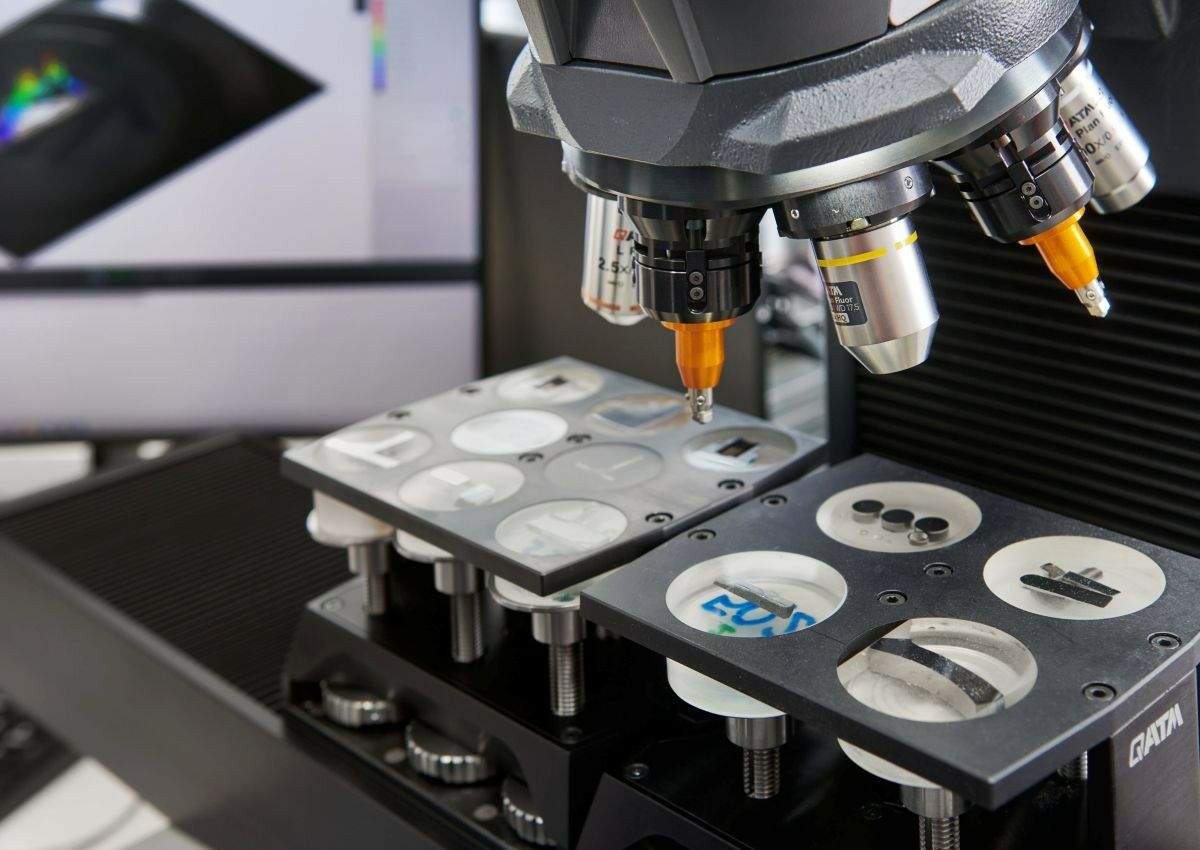
Hardness testing
In addition to microscopic examination, microhardness testing can be performed directly on prepared cross-sections. In the Vickers method, for example, a defined force is applied to a small area of the sample to determine the hardness of individual metallographic constituents. This is especially important for evaluating materials with heterogeneous microstructures and localized property variations.
Applications of metallographic analysis
Metallographic analysis is used in numerous areas of materials testing to evaluate material structures, defects, and manufacturing processes:
Quality Control: Testing Materials for Compliance with Standards
In quality control, metallographic examination is used to assess material quality with regard to grain size, microstructural homogeneity, inclusions, and phase composition. It ensures that materials meet technical requirements and standards and do not contain any undetected defects. This is particularly important in safety-critical industries such as aerospace, the automotive industry, and mechanical engineering.
Defect analysis: Identifying the causes of failure
Another key area of application is defect analysis. When materials fail, metallographic examination provides precise insights into the causes. By analyzing crack formation, grain boundaries, or phase changes, mechanisms such as corrosion, material fatigue, or overloading can be identified. These insights are crucial for preventing similar damage in the future and ensuring the safety of components.
Material Development: Optimizing New Materials
Microstructural analysis is also indispensable in material development. By analyzing microstructures, alloying elements, heat treatments, or other manufacturing processes can be evaluated. This reveals how a material’s microstructure changes under the influence of various processes and what effects this has on its mechanical properties.
Frequently asked questions about metallographic analysis
Metallographic analysis is a key technique in materials characterization and metallography used to evaluate the internal structure of materials. The following FAQs address common questions about the process, sample preparation, and typical applications.
Metallographic analysis is widely used in quality control, failure analysis, and materials development. It helps identify material defects, evaluate manufacturing processes, and determine the root causes of component failures.
Macrostructural examination focuses on large-scale features and defects at low magnifications, such as porosity, casting defects, and welding imperfections. Metallographic examination, on the other hand, enables the detailed analysis of fine features such as grain boundaries, inclusions, phase distributions, and microcracks.
Metallographic analysis can be performed on a wide range of materials, including metals, ceramics, polymers, composites, and coated materials.
Chemical or electrochemical etching reveals metallographic features and phases that would otherwise be difficult or impossible to distinguish. This process enhances contrast and allows for a more detailed evaluation of the material structure.
Metallographic analysis can identify a variety of defects, including porosity, inclusions, microcracks, corrosion damage, welding defects, and metallographic irregularities.
ination of electrostatic exclusion (Donnan effect) and diffusion processes. This method is particularly suitable for the analysis of strong acids, bases, and organic acids.
Errors during sample preparation can introduce artifacts that distort the true microstructure and compromise the accuracy of the analysis. Careful and application-specific preparation is therefore essential for obtaining reliable and meaningful results.
At a glance: Metallographic analysis
Metallographic analysis is a materials characterization technique used to examine the microstructure and macrostructure of materials. Through precise sample preparation and advanced microscopic examination methods, metallographic features, defects, and material properties can be revealed and evaluated. The technique is widely used in quality control, failure analysis, and materials development.