
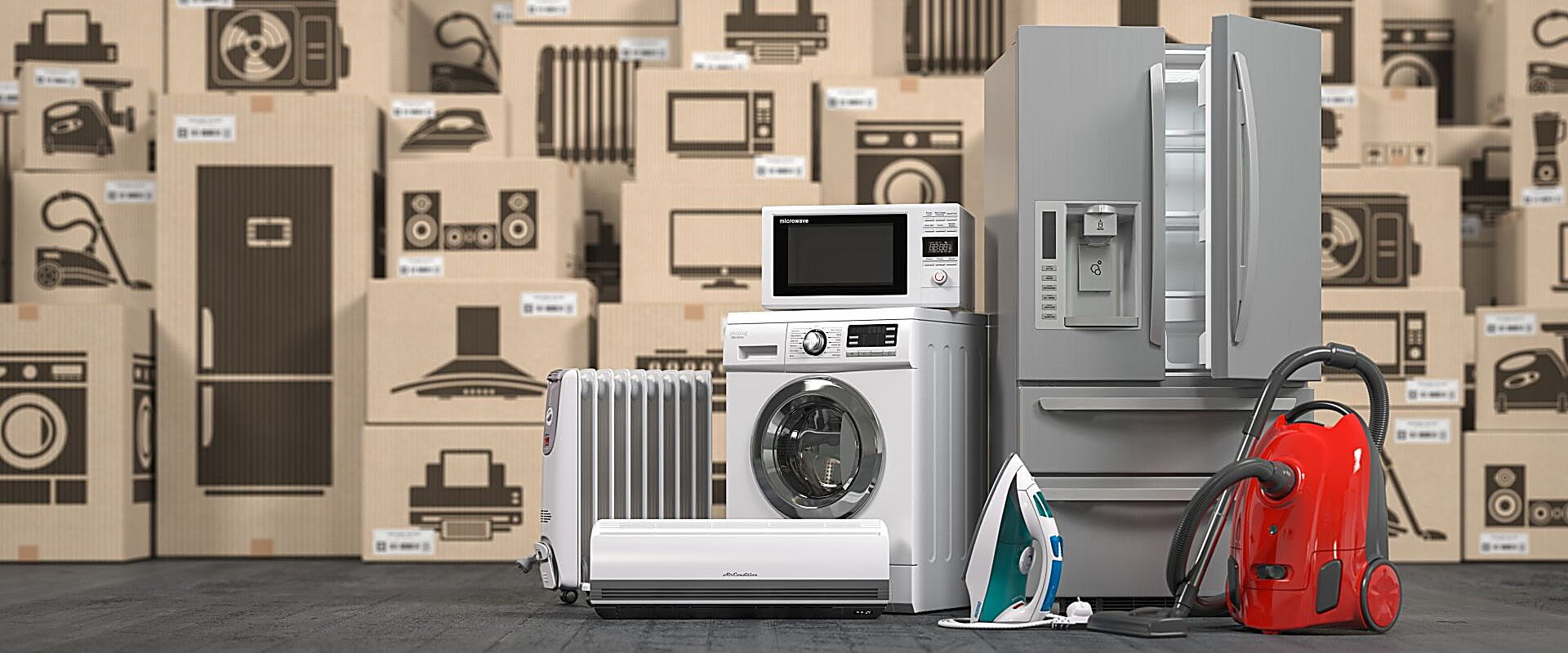
Testing consumer goods and supplementing documentation
Quality Analysis examines the materials and components of your consumer goods. We identify materials, analyze selected ingredients, and investigate quality deviations. Even if supplier reports leave questions unanswered or test results are missing, we support you with expert testing and supplementary analysis.
Product compliance refers to a product’s conformity with applicable requirements. Laboratory analyses provide evidence regarding the tested properties and ingredients. We determine which analytical tests are required for your specific needs based on the product, its intended use, and the available documentation. Our tests provide data on the agreed-upon samples and test parameters. They do not replace a complete conformity assessment of the product.
When Is a product inspection necessary?
Inspections are not only required for the initial market launch. They also assist in evaluating imported goods, when changing suppliers, in cases of suspicious or incomplete inspection reports, complaints, and product deviations upon receipt of goods.
The following situations may require a product conformity inspection.
- Launch of a new product
- Import of products from international supply chains
- Changes in suppliers, materials, or batches
- Incomplete or unclear supplier audit reports
- Independent second audit
- Incoming goods inspections and spot checks
- Complaints and noticeable product changes
- Complaints from customers, marketplaces, or regulatory authorities
At a glance
Product Compliance with Quality Analysis
Quality Analysis supports your product evaluation with the following analytical services. We determine which tests are appropriate based on the material, intended use, and test objective.
- Chemical Analytics: We determine selected constituents, elements, and residues in the agreed-upon samples.
- Plastics Analytics: We identify plastics, examine their composition, and compare material samples.
- PAH Analytics: We determine polycyclic aromatic hydrocarbons in suitable materials.
- PFAS Analysis: We measure total fluorine content as a screening test. Individual PFAS are not identified through this method.
- Damage Analysis: We examine damaged components and investigate material and surface anomalies.
- Industrial computed tomography: We non-destructively inspect internal cracks, pores, and assembly conditions.
Testing for your product group
A household item presents different testing challenges than a textile or an electronic assembly. The following product categories will help you determine the appropriate classification.
For products made of multiple materials, we examine each component individually.

Hardlines
Hardlines are durable consumer goods such as household goods, hand tools, sports equipment, and home accessories. The focus is on materials such as plastics, metals, elastic grip materials, and coatings. Material comparisons, analyses of harmful substances, and examinations of damaged components help to identify discrepancies.

Softlines
Softlines primarily includes clothing, shoes, and other textile consumer goods. Quality Analysis provides support here for selected issues related to materials and hazardous substances. The key factor is which component is to be tested—for example, a plastic element or a coating. We will determine the scope of testing available for your product.

Toys & Baby Products
For toys and baby products, we test materials and relevant ingredients. For toys, we also provide support for selected testing tasks in accordance with EN 71. The analyses assist with incoming goods inspections, customer complaints, and independent re-testing. The dedicated page explains the scope of each test.

Electronics & Electrical Engineering
In electronic products, materials, residues, and manufacturing defects can raise quality concerns. Our analyses in electronics manufacturing examine, among other things, printed circuit boards, solder joints, and assemblies. They help identify contaminants and causes of failure. Questions regarding materials and ingredients are clarified based on the component in question.
Legal Requirements: Vary depending on product type
Depending on the product, material, and intended use, different legal requirements and standards may apply, for example:
- REACH: Registration, Evaluation, Authorization, and Restriction of Chemicals = EU Chemicals Regulation
- RoHS: Restriction of Hazardous Substances = Restriction of hazardous substances in electrical and electronic equipment
- GPSR: General Product Safety Regulation = General Product Safety Regulation
- EN 71: Safety requirements for toys
Quality Analysis supports you with appropriate analytical tests and test results. We will determine which test parameters are required based on your specific inquiry.
Analytical Support for your product compliance
The specific analytical testing required depends on the particular issue at hand. We work with you to determine what findings are needed and which samples are suitable for that purpose.

Identify and compare materials
Is the delivered plastic the same as the approved sample? Plastics analytics helps identify materials and compare the composition of different batches. Supplementary tests can determine, for example, filler content or thermal properties.

Testing for critical substances
Chemical analytics identifies selected substances and elements in a sample, such as heavy metals and PAHs. Test parameters and methods are tailored to the material and the specific issue at hand. For PFAS-related issues, Quality Analysis uses total fluorine parameters. This screening provides indications of fluorine-containing contamination but does not identify individual PFAS and does not constitute blanket proof of compliance with all PFAS-related requirements.

Identifying residues and quality deviations
Unidentified deposits, unusual odors, or peeling coatings may indicate problems with the material, surface, or manufacturing process. Chemical analytics help identify residues and volatile components. For damaged components, damage analysis provides additional insight into the material, surface, and component structure.
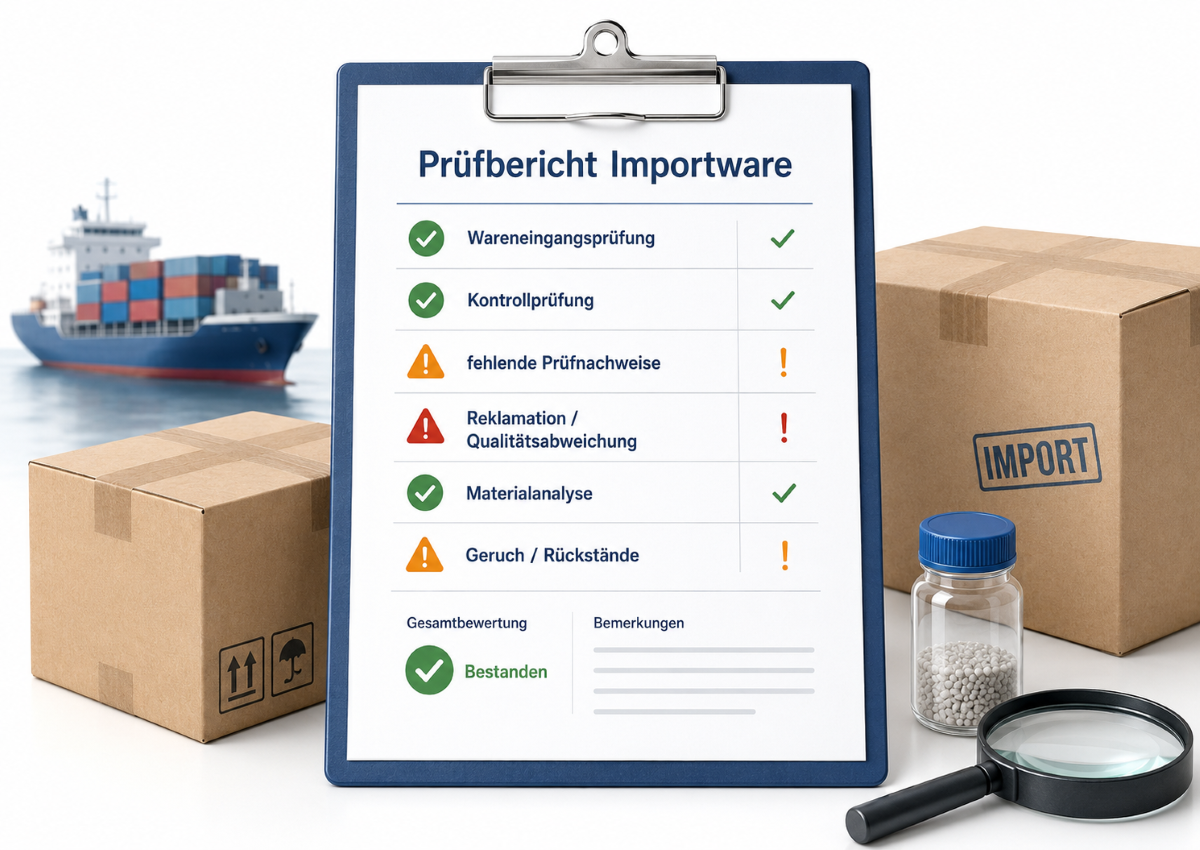
If test reports are missing or leave questions unanswered
An existing test report should be clearly assignable to the goods you are actually purchasing. If the documented tests raise questions regarding materials, ingredients, or other analytically verifiable properties, we can assist you with targeted testing. This allows you to clarify open questions or supplement existing results with an independent follow-up test.
This also applies to test reports and documentation from international suppliers. The key factors for planning further analyses are which samples were tested using which methods and which results are already available. If additional analytical evidence is required—for example, by Amazon or other marketplaces—we can work with you to determine the appropriate scope of testing.
From Inquiry to Test Report
To ensure your inquiry results in a meaningful investigation, we will coordinate the following steps with you.
Describe the product and the test objective
Please send us product information, any existing documentation, and the question you would like answered. Please also include any specific complaints or deadlines in your inquiry.
Determining the Scope of Testing and Samples
We clarify the test parameters, procedures, and required samples. The scope of work and timeline are agreed upon before the order is placed.
Analyze and document results
We examine the agreed-upon samples and document the results in the test report. This report specifies what was examined and to which samples the results refer.
Connected departments for your Analytical task
Chemical Analytics, Materialography and imaging techniques such as Industrial computed tomography or Optical metrology are available at Quality Analysis as separate departments. In combined analyses, findings regarding the elemental composition, surfaces, and the internal structure of a component can be evaluated together.
You might also be interested in

Packaging Analysis
Studies on the composition, constituents, and structure of plastics, paper composites, metals, and multilayer packaging

Contact us –
expert support is just a conversation away.
Using state-of-the-art analytical methods, we assist you with quality issues, damage claims, and development challenges – providing precise, well-founded, and solution-oriented support.

Frequently asked questions about Product Compliance
It is helpful to include a product description, information on materials and intended use, as well as any available specifications and test reports. Please also specify the intended market and the specific question you would like answered. In the event of a complaint, please include the request from the customer, marketplace, or regulatory agency.
That depends on whether it covers the product in question, the materials used, and the required test parameters. Changes to the composition or to individual components may limit its applicability. Quality Analysis assists with the technical evaluation of these factors and works with you to determine any additional analytical requirements.
A test report documents the agreed-upon tests and results for the samples tested. It does not automatically confirm the product’s full compliance. Additional requirements—such as those regarding labeling, technical documentation, or supplementary safety tests—must be considered separately. The analytical services do not include legal advice.
Components or material samples may be sufficient for material identification or determining individual ingredients. If the cause of the damage is unclear, the entire product may be required. We will determine which samples and quantities are needed before shipping.
Quality Analysis helps resolve analytical issues and address missing test results. This service is based on the specific requirements of Amazon or another marketplace. The respective marketplace decides whether a test report will be accepted or a product suspension lifted.
Costs and turnaround time depend on the test requirements, the number of samples, the material, and the necessary sample preparation. Once the scope of the testing has been clarified, we can agree on the effort involved and the timeframe. Please let us know of any deadlines you have when you submit your inquiry.
Note the scope of accredited testing
Quality Analysis is accredited according to DIN EN ISO/IEC 17025. The scope of testing specified in the accreditation certificate and its appendix is authoritative.
More about the benefits our accreditation offers you:

Your product testing
at Quality Analysis
Would you like to have materials tested or submit missing test results? Please send us a description of your product, your testing objectives, and any available documentation. Together, we’ll determine the next step in the testing process.