
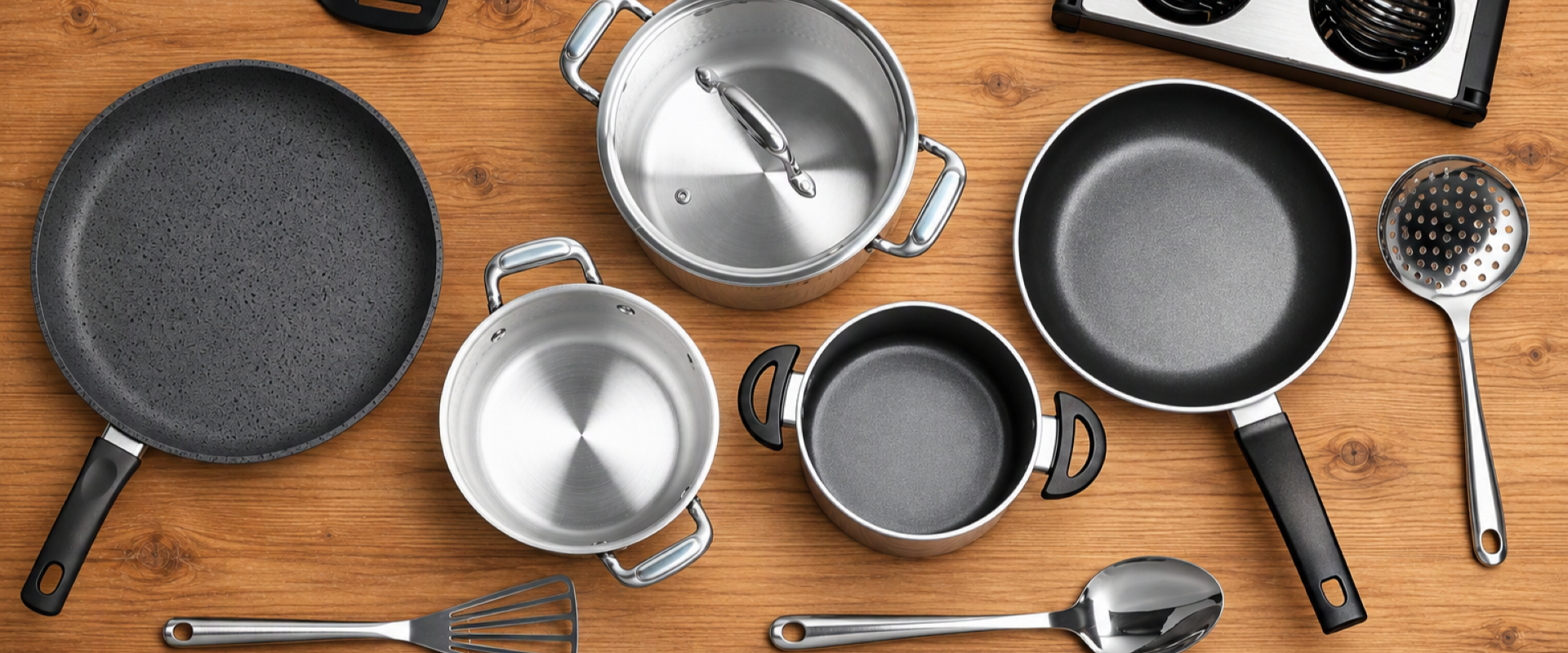
Testing and analyzing Hardlines
Quality Analysis tests materials and components used in hardlines. These durable consumer goods include, for example, household items, tools, gardening supplies, sports equipment, and home accessories. For manufacturers, importers, and retailers, we examine ingredients, compare materials, and investigate quality deviations. You will receive the results in a comprehensive test report.
At a glance
Hardlines analysis at Quality Analysis
For your hardlines, Quality Analysis combines chemical, materialographic, and imaging analyses. We select the services that best suit the material and the component in question.
- Plastics Analytics: We identify polymeric materials and compare components under investigation with reference samples.
- Thermal Analysis: We examine the thermal properties, filler content, and decomposition behavior of plastics.
- Chemical Analytics: We analyze selected elements, organic constituents, and residues in suitable samples.
- PAH Analysis: We determine PAHs, for example, in suitable plastic and elastomer components.
- Damage Analysis: We examine fracture surfaces, coatings, and material structures of damaged components.
- Industrial Computed Tomography: We use non-destructive methods to visualize internal cracks, pores, and assembly deviations.
Overview of product groups and materials
At Hardlines, the focus is on plastics, elastomers, metals, paints, and coatings. A product may contain several of these materials—so-called material composites or composite materials. The following examples illustrate the components that may be subject to testing. For cookware and other food-contact articles, the specific requirements for materials and articles intended to come into contact with food also apply. Toys, textiles, and electronics constitute separate product categories.
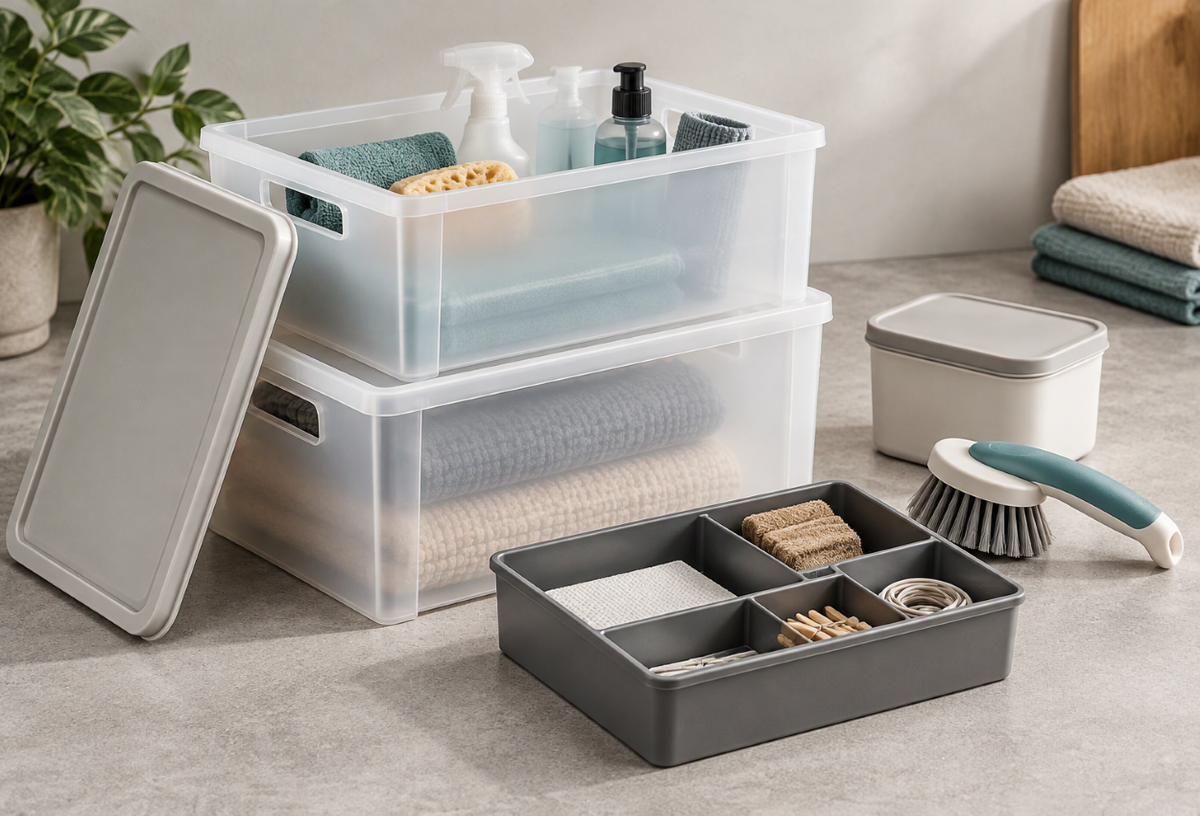
Household and everyday items
With storage boxes, organization systems, and non-electric household aids, a change in material may be noticeable: a plastic may become brittle or differ from the approved sample. Comparing the materials helps narrow down differences in composition.
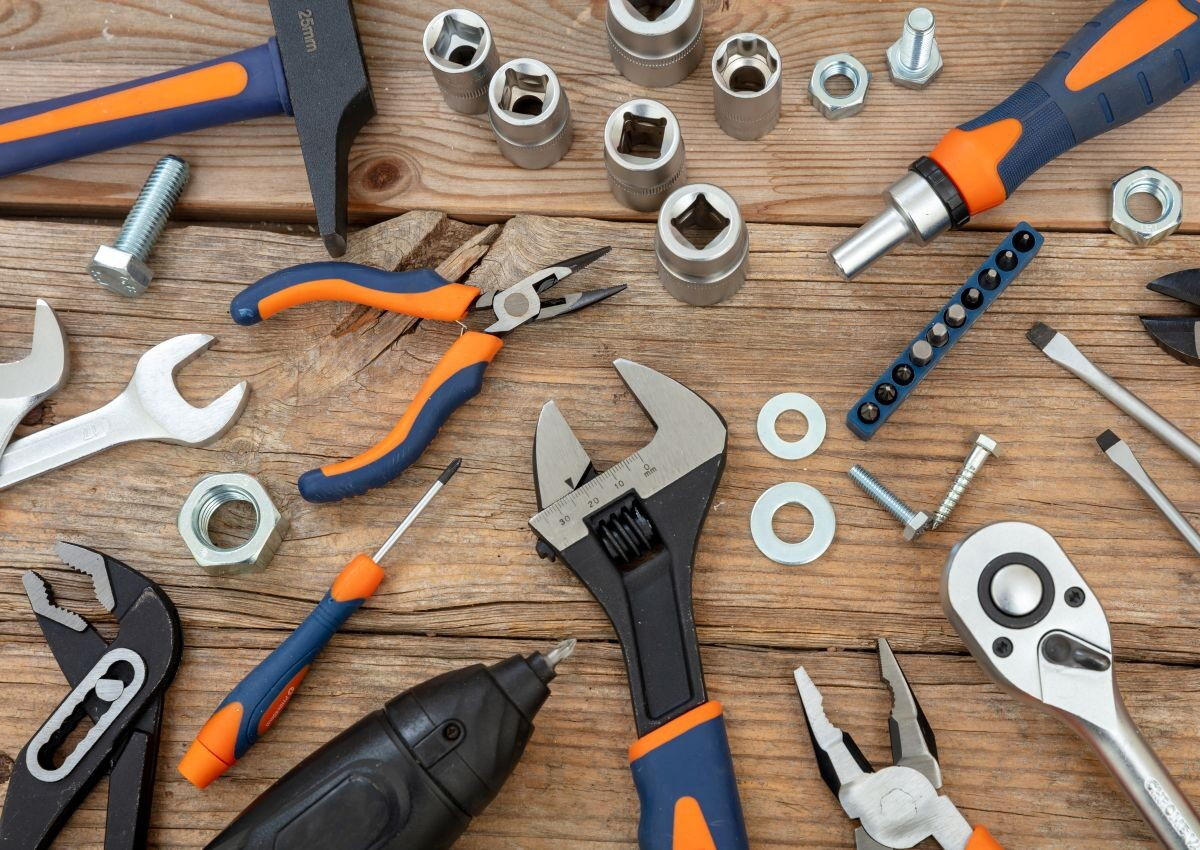
Tools and garden supplies
Tools and garden equipment often combine metal components with flexible handles. Tests may include analyzing the composition of the handle material, identifying unknown residues, or assessing damage to coatings. In each case, the specific component in question is analyzed.
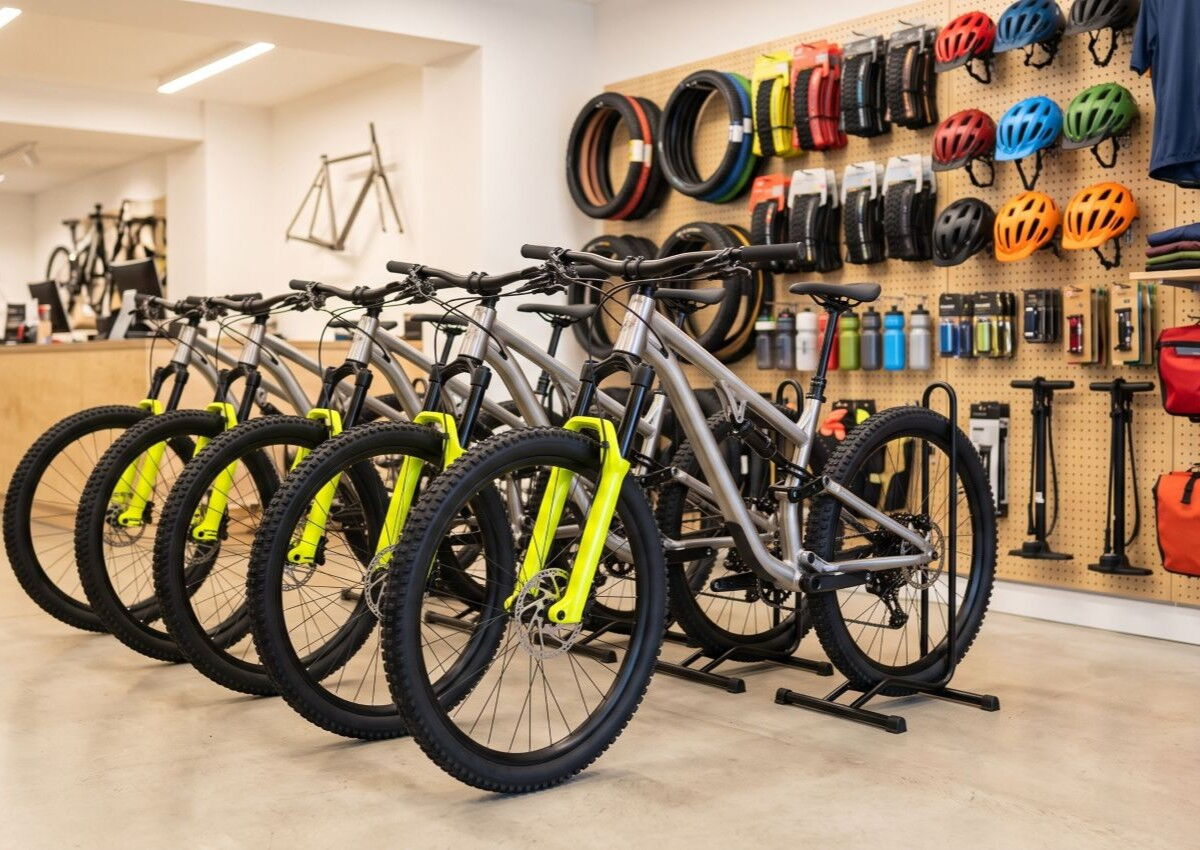
Sports and leisure equipment
If the material of training accessories or bicycle components differs from a reference, material comparisons can help pinpoint the differences. In the case of cracks or breaks, examinations of the damaged area and the internal structure of the component supplement the analysis.

Home accessories and decorative items
When it comes to mounts, hardware, and painted items, the focus is often on the surfaces. Peeling paint, deposits, or discoloration are reasons to examine the coating and the substrate and to identify possible sources of contamination.
Testing methods for materials and components
The testing objective is determined by the specific issue at hand: Should a material be identified or compared to a reference, a specific constituent or contaminant be determined, or the cause of damage be investigated? Our chemical analysis provides information on material composition and relevant constituents. Microscopic and imaging techniques complement the examination of surfaces, component structures, and damage patterns.
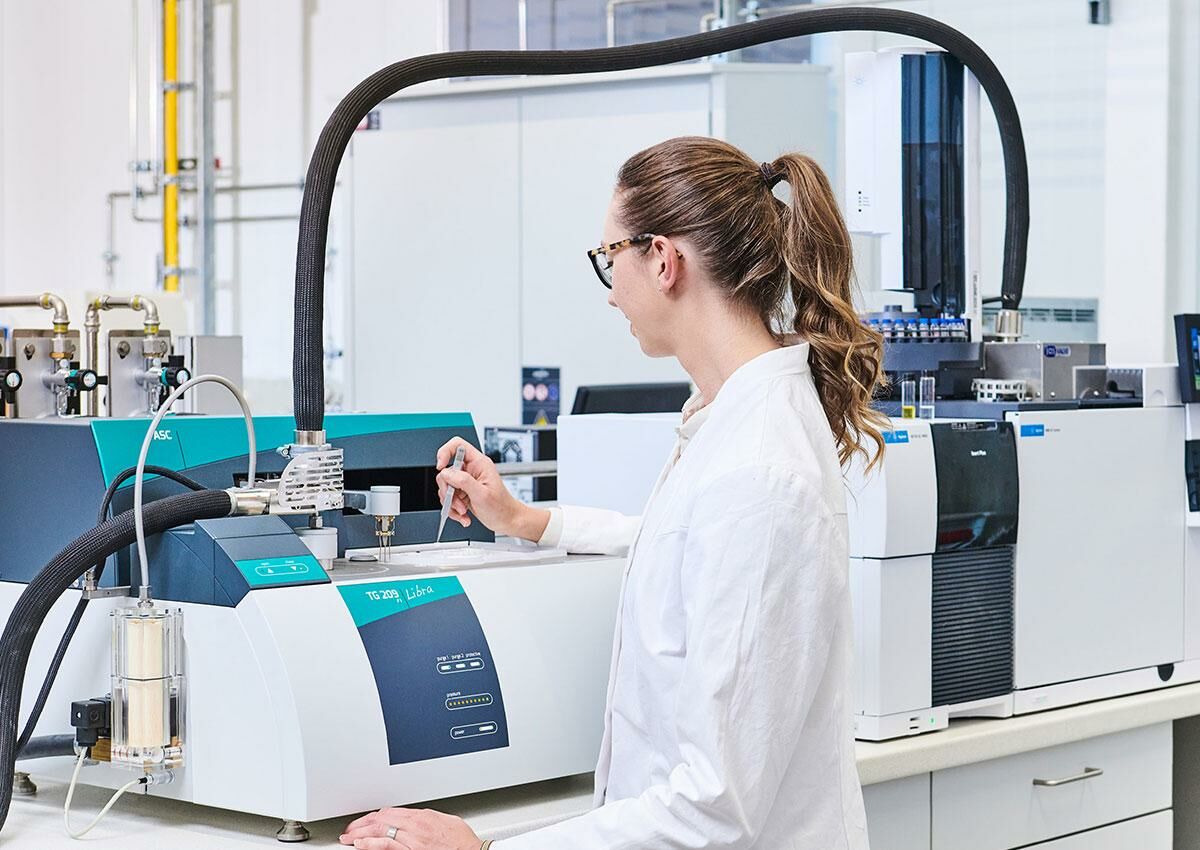
Identify and compare materials
Plastic analysis can be used to determine which material was used in a product. FTIR spectroscopy helps with the identification of polymers and organic components. Thermal analyses using DSC and TGA provide supplementary information on filler content, material composition, and thermal stability. A comparison with a reference sample can reveal differences between the samples under investigation. The conclusions that can be drawn from this for a shipment depend on the sampling method and the scope of testing.

Identifying contaminants and ingredients
Depending on the material and intended use, we test products for relevant hazardous substances and ingredients. For handles made of plastic and elastomers, for example, plasticizers or Polycyclic aromatic hydrocarbons (PAHs) can pose a problem. We determine elements such as lead and cadmium using ICP-OES. For fluorine-containing materials or coatings, PFAS analyses using appropriate total fluorine parameters can provide indications of potential contamination. For this purpose, combustion ion chromatography (CIC) is used, among other methods. The total parameters measure the defined fluorine content; individual PFAS are not identified using this method.
Restrictions may apply to individual substances, such as those listed in Annex XVII of the REACH Regulation. Laboratory analyses provide test results for this purpose but do not replace a complete conformity assessment.
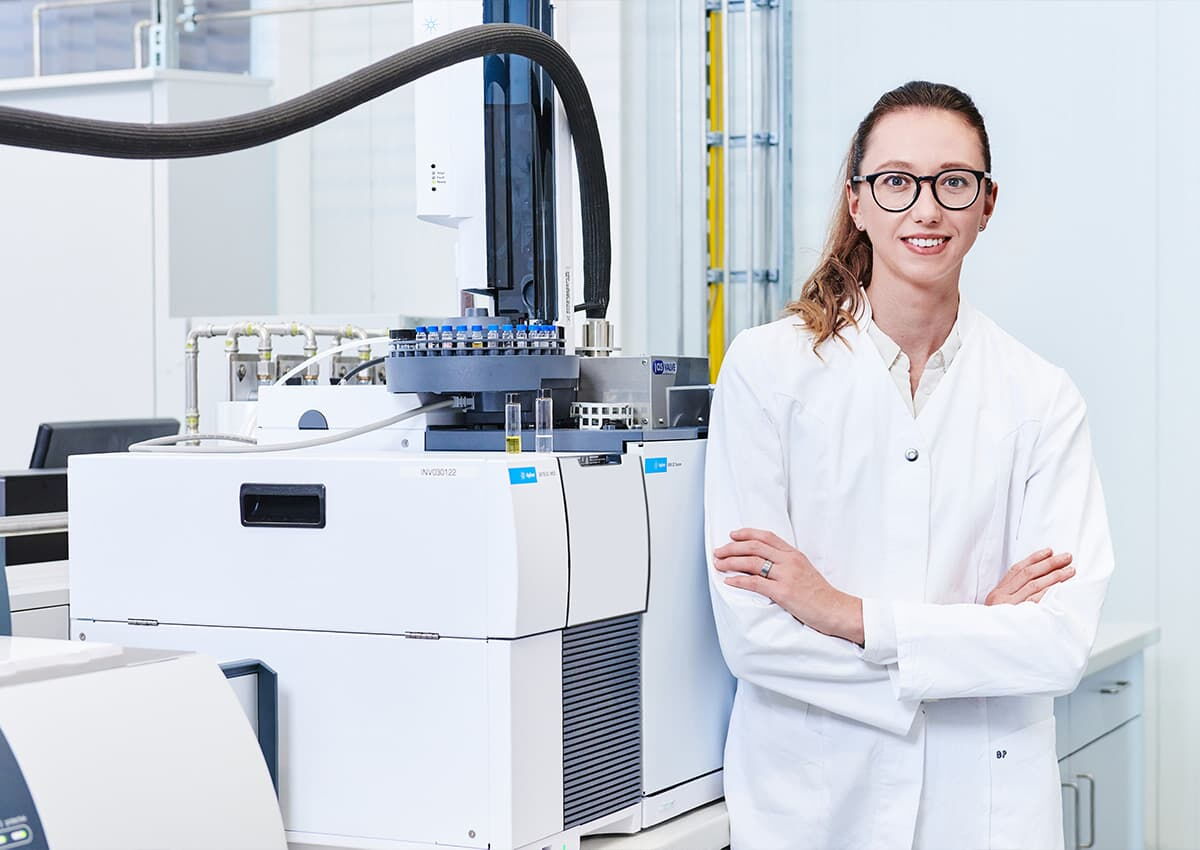
Examine residues and outgassing
Sticky surfaces, deposits, or noticeable odors may indicate the presence of residues, volatile compounds, or changes in material. Using GC-MS and headspace gas chromatography, we analyze organic residues, solvents, VOCs, and other volatile compounds. The results help narrow down possible sources of contamination and compare samples under investigation with uncontaminated material or other batches.

Investigate damage to components
In the event of a crack or fracture, damage analysis examines the material and the affected area. Materialographic methods reveal fracture surfaces and material structures. Industrial computed tomography provides a non-destructive view into the interior of the component, revealing, for example, pores, cracks or assembly deviations. Together, the findings provide clues as to whether the material, manufacturing, or stress contributed to the damage.

Anwendung 5
Lorem ipsum dolor sit amet, consetetur sadipscing elitr, sed diam nonumy eirmod tempor invidunt ut labore et dolore magna aliquyam erat, sed diam voluptua. At vero eos et accusam et justo duo dolores et ea rebum.
Lorem ipsum dolor sit amet, consetetur sadipscing elitr, sed diam nonumy eirmod tempor invidunt ut labore et dolore magna aliquyam erat, sed diam voluptua. At vero eos et accusam et justo duo dolores et ea rebum.
Discrepancies in deliveries and unclear documentation
A test report describes a specific plastic, but the current delivery contains, for example, a different handle or a modified coating. In this case, it must be determined whether the existing test report still covers the component actually used and can be relied upon as evidence of product conformity.
We assist in verifying the relevance of existing test reports to the affected component and in determining the necessary supplementary analyses. A comparative test, for example, can compare the rejected goods with a reference sample.
Laboratory analyses and existing evidence thus provide a solid foundation for assessing product conformity. The specific requirements and tests that must be considered depend on the product in question, its materials, and its intended use.
Contact us –
expert support is just a conversation away.
Using state-of-the-art analytical methods, we assist you with quality issues, damage claims, and development challenges – providing precise, well-founded, and solution-oriented support.

Here's how your Hardlines analysis works
For planning purposes, we need the item or a representative material sample of the affected component, as well as a description of the observed deviation. Photos, material specifications, and any available test reports help us narrow down the issue.
Define test requirements and samples
We determine which component is to be tested and whether an approved sample or an unmarked reference sample is required. We coordinate the sample quantity, collection, and shipping in advance.
Analyzing materials and components
We conduct the agreed-upon tests. In cases of complex damage, chemical findings are evaluated in conjunction with material structures and component design.
Document results
You will receive a comprehensive test report on the samples and parameters analyzed. You can use these findings for your quality assessment and to coordinate with suppliers.
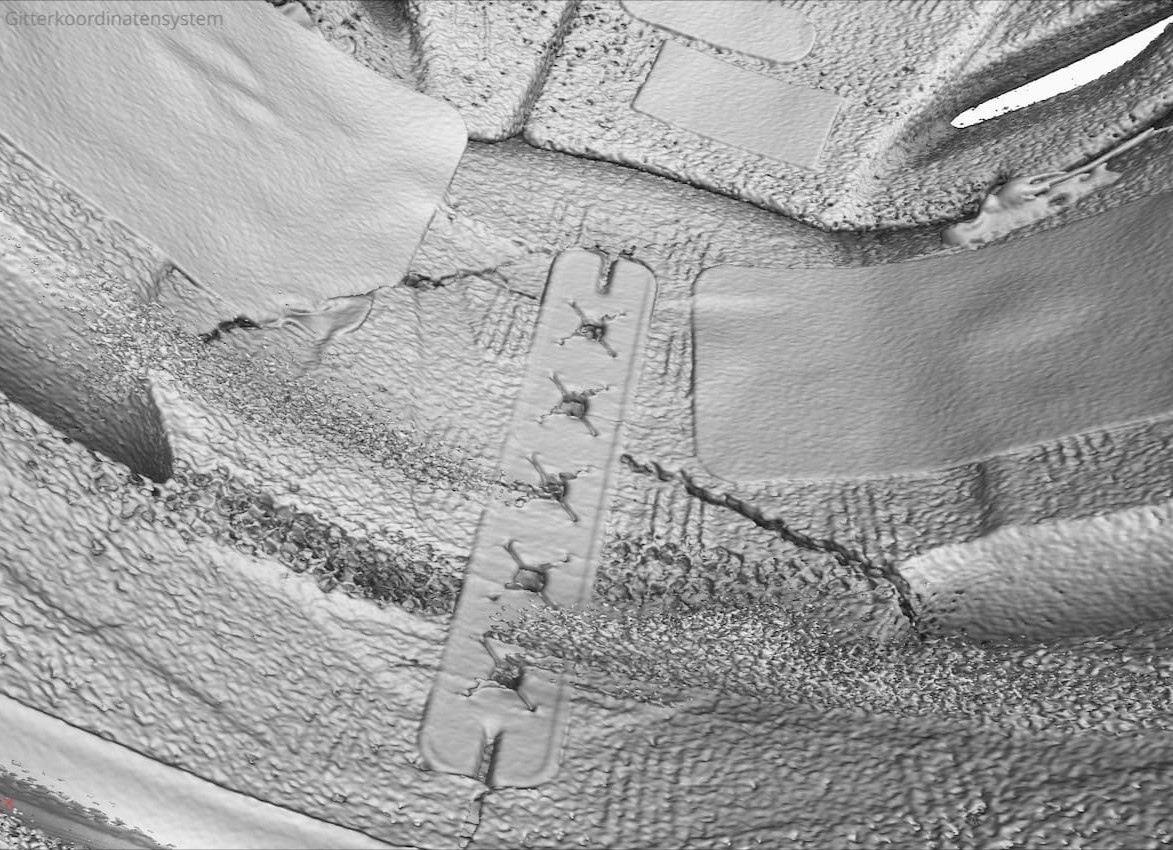
Integrating chemical and imaging findings
For complex damage assessments , we combine the appropriate chemical, materialographic and imaging examinations, such as Computed tomography. The test report documents the methods used, the samples examined, and the results. This allows individual findings to be attributed to the specific material or component.


Frequently asked questions about the Hardlines exam
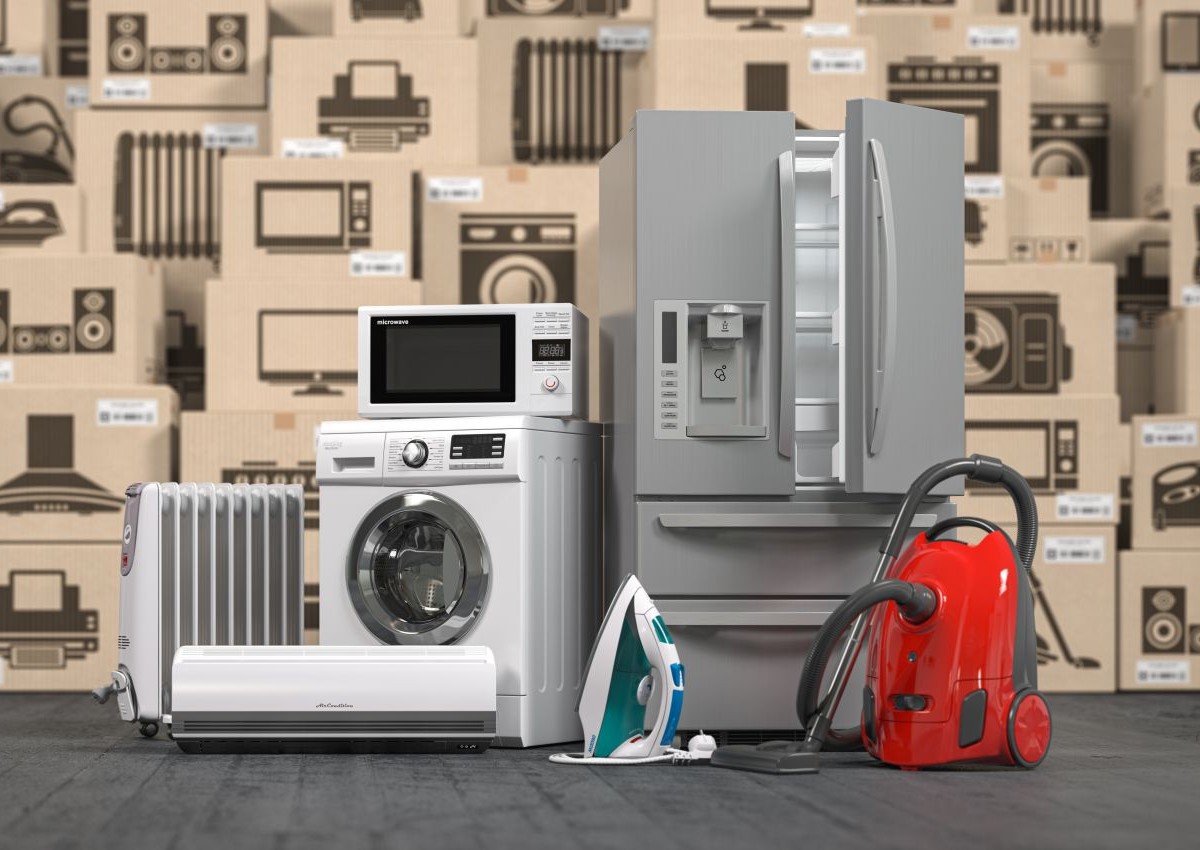
Hardlines are durable, primarily non-textile consumer goods, such as household goods, hand tools, sports equipment, and home accessories. They are often made of plastics, metals, or composite materials. Analytical testing involves examining their materials and components.
Hardlines primarily refers to non-textile consumer goods. Softlines mainly includes textiles, apparel, and footwear. For items made of multiple materials, the testing is based on the specific component and its intended use. For toys and electronics, we describe the appropriate tests on dedicated application pages.
Yes. A sample in question can be compared to an approved sample or a sample with no abnormalities. Material identification and supplementary analyses can reveal differences in composition or properties. The conclusions that can be drawn depend on the characteristics being examined and the available comparison samples.
Depending on the coating and the research question, parameters such as layer structure, layer thickness, composition, and the interface with the substrate can be examined. Techniques used for this purpose include materialographic methods, SEM/EDX, and FIB-SEM. Even very thin layers can be characterized in detail and, if necessary, compared with a reference sample.
The tests described here pertain to selected materials, ingredients, and component-related issues. They do not constitute a comprehensive safety assessment of a tool, bicycle, or any other consumer product. Additional requirements and tests must be considered separately. The analytical services do not include legal advice.
We require the damaged component or any available fragments. Background information on how the break occurred and the load conditions is helpful. If you have an undamaged reference sample, that can also be helpful. Please do not clean or alter the damaged area, if possible, before we have coordinated the sample handling procedures. We will clarify which parts and documentation are required before shipment.

Accredited Testing Laboratory
Quality Analysis is accredited by DAkkS in accordance with DIN EN ISO/IEC 17025. The accreditation applies to the procedures and scopes of application described in the certificate and its appendices. We will determine whether your test falls under this scope for the specific order.
More about the benefits our accreditation offers you:

Your analysis assignment
on Hardlines
Which item or component should be tested? Send us your inquiry and the available product information. We will determine what analytical support is available for your sample.