
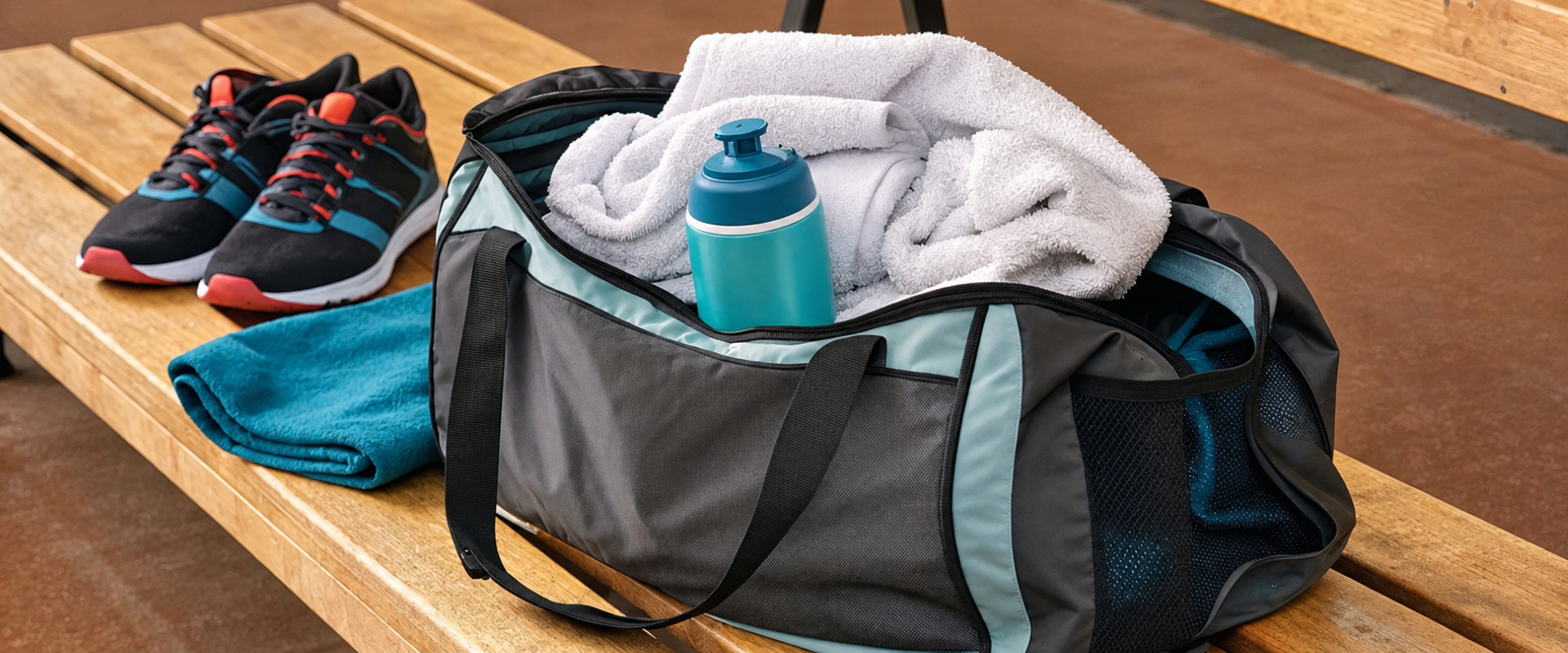
Clarify material questions regarding softlines
Softlines are textiles, clothing, shoes, and textile accessories. Quality Analysis supports manufacturers, importers, and retailers with material questions regarding individual components, such as plastic elements or coatings. Together, we determine which analysis is suitable for your product and what can be determined through it.
At a glance
Softlines analytics at Quality Analysis
For material-related questions regarding Softlines, we utilize the following analytical services. We clarify in advance whether the material is suitable for your component or coating and determine the possible scope of testing.
- Chemical Analytics: We test for agreed-upon ingredients and residues, such as plasticizers, PAHs or volatile components in suitable plastic samples.
- Plastics Analytics: We identify polymeric materials in suitable components and perform batch comparisons as well as comparative material analyses.
- Thermal Analysis: We characterize melt behavior and thermal stability and identify indications of material composition.
About the item and the component being examined
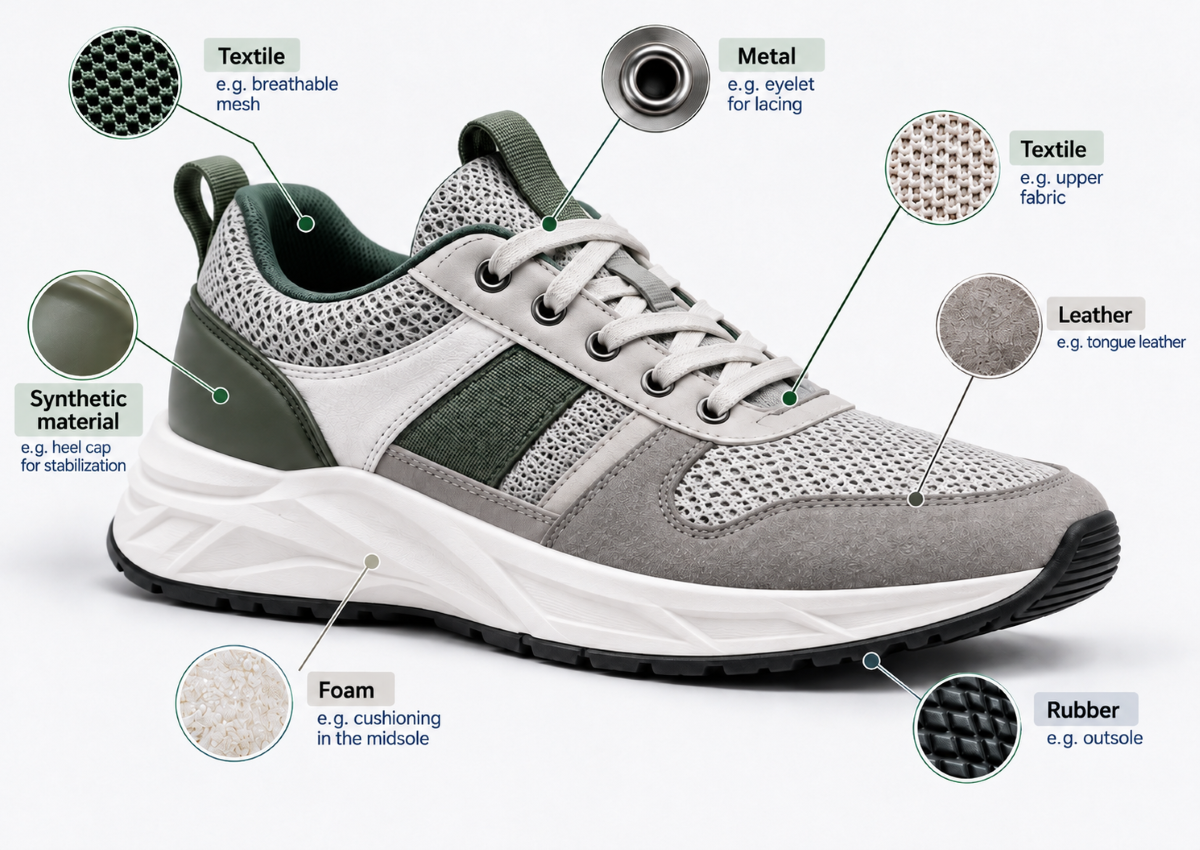
A bag, piece of clothing, or shoe may consist of different materials joined together. An anomaly on a plastic fastener requires a different type of examination than an unknown deposit on a coated surface. That is why we first need details about the entire item and the affected area.
Possible points of interest include plastic elements on clothing and accessories, elastic components of shoes, or coatings on textile products. Which analysis is appropriate in a specific case depends on the material, the amount of sample available, and the specific question at hand.
What types of tests are available?
The test depends on your specific question. Three main areas are the focus of materials-related analysis.

Identifying and comparing materials
Plastics analytics helps identify polymeric materials and examine their composition. In the case of a plastic component that is the subject of a complaint, a comparison with an unremarkable sample or a batch comparison can provide clues to material differences. Supplementary thermal analyses determine selected properties of the material.

Analyzing selected ingredients
Chemical analytics specifically examines agreed-upon substances and elements. For plastic or elastomer components, for example, questions may arise regarding plasticizers or Polycyclic aromatic hydrocarbons (PAHs). We will clarify which parameters can be tested for your sample before you place your order.
Examine residues and surface abnormalities
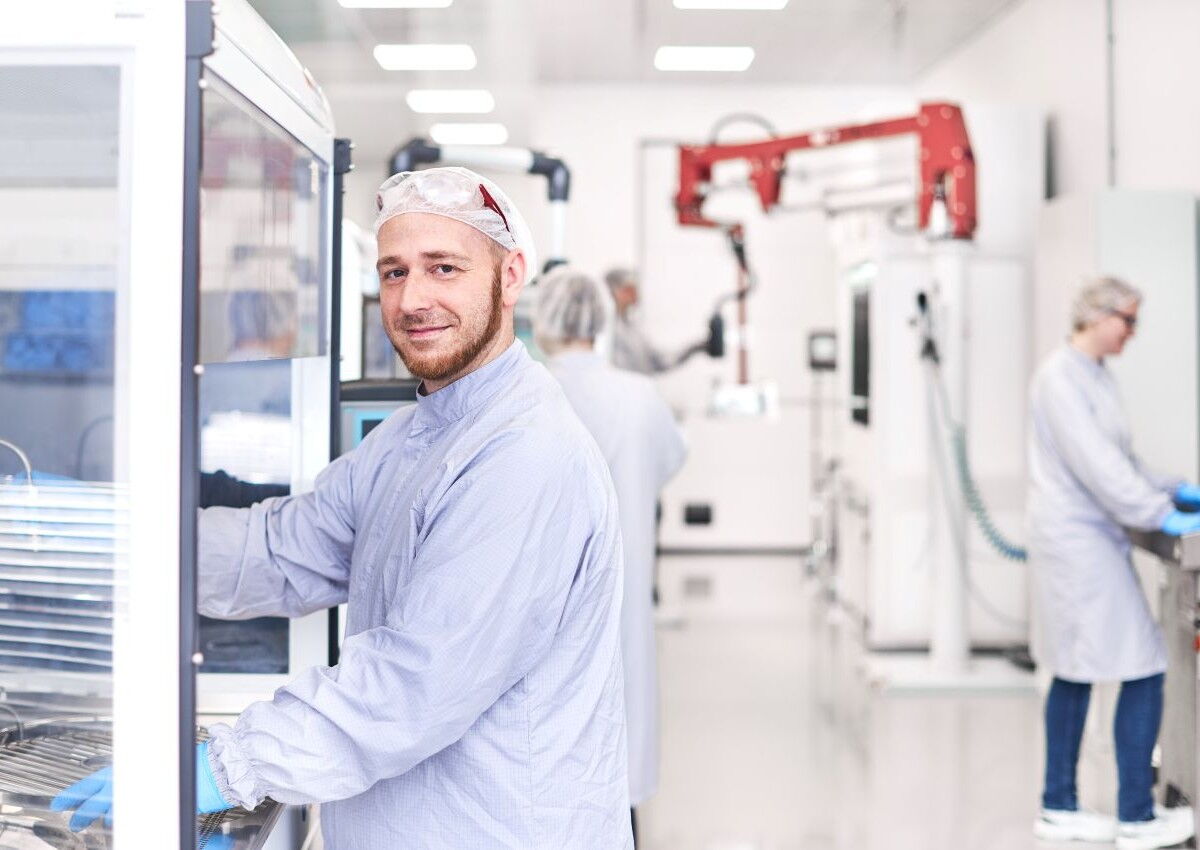
Particulate contamination, chemical-filmic contaminants on the surface, discoloration, or changes in coatings may warrant a more detailed investigation. Appropriate analyses help characterize residues and narrow down possible causes of the abnormalities.
Here's how your inspection will proceed
Depending on the specific issue, we may need the entire product, a component, or a suitable material sample for the analysis. Additional information regarding the material, manufacturing process, and any abnormalities will help us assess the problem. Together, we will agree on the scope of the analysis, as well as the effort and timeframe required. You will receive the results in a comprehensive test report.
Contact us –
expert support is just a conversation away.
Using state-of-the-art analytical methods, we assist you with quality issues, damage claims, and development challenges – providing precise, well-founded, and solution-oriented support.


Frequently asked questions about Softlines
The term "softlines" primarily refers to textiles, clothing, shoes, and textile accessories. In addition to the textile material, such items may also contain plastics, elastomers, coatings, or metal parts. For the analysis, it is crucial to determine which component and which property are to be examined.
Examples of test specimens include plastic parts, elastic components, and coatings. Whether a specific sample can be tested using the available methods is determined based on the material, sample quantity, and test objective. The mention of a product group does not imply that all standard tests for that group will be performed.
A component that is the subject of a complaint can be compared to an unremarkable reference sample. Analyses may reveal differences in composition or in selected material properties. Describe the nature of the deviation and whether an approved sample is available.
The service described here covers selected material and ingredient-related issues. It does not include comprehensive textile or footwear certification. A test report refers to the agreed-upon tests performed on the samples and does not automatically confirm the conformity of the entire product.
Please coordinate sample collection with Quality Analysis in advance. In the case of thin coatings or firmly bonded materials, separation may affect the analysis. Depending on the specific issue, it may therefore be advisable to provide us with the complete article.

Accreditation and Scope of Testing
Quality Analysis is accredited according to DIN EN ISO/IEC 17025. The accreditation applies to the scope of testing specified in the certificate and its appendices. We will determine whether the agreed-upon test falls within this scope for your order.
Learn more about the benefits our accreditation offers you:

Your analysis assignment
on Softlines
Which component of your product should be tested? Send us your inquiry and the available product information. We will determine what analytical support is available for your sample.