
PPWR Regulation Starting in 2026:
Requirements, PFAS, and Packaging Analysis
The new EU Packaging Regulation (PPWR) increases the pressure on companies throughout the entire packaging and supply chain to take action. The regulation generally takes effect on August 12, 2026 and will gradually introduce new requirements regarding ingredients, recyclability, recycled content, packaging minimization, reuse, labeling, and documentation .
Companies increasingly need reliable information about materials, coatings, formulations, ingredients, and supply chains. In the absence of reliable evidence, analytical testing can help fill data gaps and prepare technical assessments.
Table of Contents
- Urgent need for action: PFAS limits in food contact packaging
- The PPWR in a nutshell: Key points at a glance
- What is the PPWR regulation?
- When does the PPWR regulation take effect?
- PFAS in food contact packaging
- Checklist: When should companies have their packaging tested?
- What role does packaging analysis play in the PPWR?
- Packaging analysis at Quality Analysis
- Frequently asked questions about the PPWR and Packaging Analysis

Contact us –
expert support is just a conversation away.
Using state-of-the-art analytical methods, we assist you with quality issues, damage claims, and development challenges – providing precise, well-founded, and solution-oriented support.


Urgent Need for Action:
PFAS Limits in Food Contact Packaging
The need for action is particularly urgent when it comes to food contact packaging: Starting August 12, 2026, the PPWR will, for the first time, establish explicit limit values for per- and polyfluorinated alkyl substances, or PFAS for short. However, the appropriate tests for a given packaging always depend on the material, the structure, the intended use, and the specific issue at hand. A laboratory analysis does not replace either a case-by-case legal review or a complete conformity assessment.
The PPWR in a nutshell: Key points at a glance
- Official Title: Regulation (EU) 2025/40 on Packaging and Packaging Waste
- Effective date: February 11, 2025
- General effective date: August 12, 2026
- Scope of application: In principle, packaging and packaging waste regardless of the material used
- Key topics: Substance requirements and heavy metal limits, PFAS, recyclability, recycled materials, reuse, labeling, and documentation
- Important for companies: Obligations vary depending on the role as producer, supplier, importer, distributor, or fulfillment service provider
- Role of analytics: Laboratory results can support technical documentation and assessment, but do not replace a legal case-by-case review.
What is the PPWR Regulation?
PPWR stands for Packaging and Packaging Waste Regulation. The full title is Regulation (EU) 2025/40 on Packaging and Packaging Waste. It entered into force on February 11, 2025, and generally applies as of August 12, 2026. As an EU regulation, it is directly applicable in the member states and does not need to be transposed into national law first.
The EU Packaging Regulation establishes a more uniform legal framework for the entire life cycle of packaging. It covers not only disposal, but also design, material selection, manufacturing, labeling, placing on the market, reuse, and recycling.
Why are companies facing pressure right now?
The PPWR will take effect in phases. Although many requirements will not take effect until 2030 or later, material changes, supplier qualifications, testing programs, and technical documentation require lead time. Companies should therefore determine early on which packaging may be affected and what information is already available.
When does the PPWR Regulation take effect?
The PPWR does not apply with all requirements effective as of a single date. Instead, the regulation provides for various deadlines and transition periods .
|
Time |
Meaning |
|
|
11. February 2025 |
Entry into force of Regulation (EU) 2025/40. |
|
|
12. August 2026 |
|
|
|
Starting in 2028 |
|
|
| Starting in January 1, 2030 |
|
|
|
starting in January 1, 2035 |
When assessing recyclability, consideration is also given to whether packaging is recycled on a large scale. |
|
|
Starting in January 1, 2038 |
|
|
Note: This overview simplifies the phased implementation schedule. Exceptions, special provisions, or different deadlines may apply to specific types of packaging, industries, and requirements.
PFAS in Food-Contact Packaging:
Why Analysis Is Becoming Especially Important
Article 5, paragraph 5 of the PPWR establishes specific PFAS limits for packaging that comes into contact with food. As of this date, food contact packaging may not be placed on the market if it contains PFAS in concentrations that meet or exceed any of the following limits:
|
Test variable |
Limit value specified in the PPWR |
|
Individual PFAS compounds, identified through a targeted PFAS analysis |
25 ppb |
|
Total of the PFAS specifically analyzed, if applicable after degradation of precursor compounds; polymeric PFAs are not quantified. |
250 ppb |
|
PFAS, including polymeric PFAS |
50 ppb bzw. 50 mg/kg |
Total fluoride is not automatically equivalent to PFAS
The total fluorine content (TF) can serve as a preliminary screening parameter, but on its own does not allow for a definitive conclusion regarding the type and concentration of the PFAS present. Fluorine may be bound in organic or inorganic forms and may also originate from compounds that do not belong to the PFAS group.
If the total fluorine content exceeds 50 mg/kg, the PPWR requires, under certain conditions, evidence indicating what proportion of the measured fluorine is attributable to PFAS and what proportion to non-PFAS compounds. Which supplementary analyses are technically appropriate for this purpose depends on the material, the task at hand, and the available information.
What types of packaging are affected by PFAS?
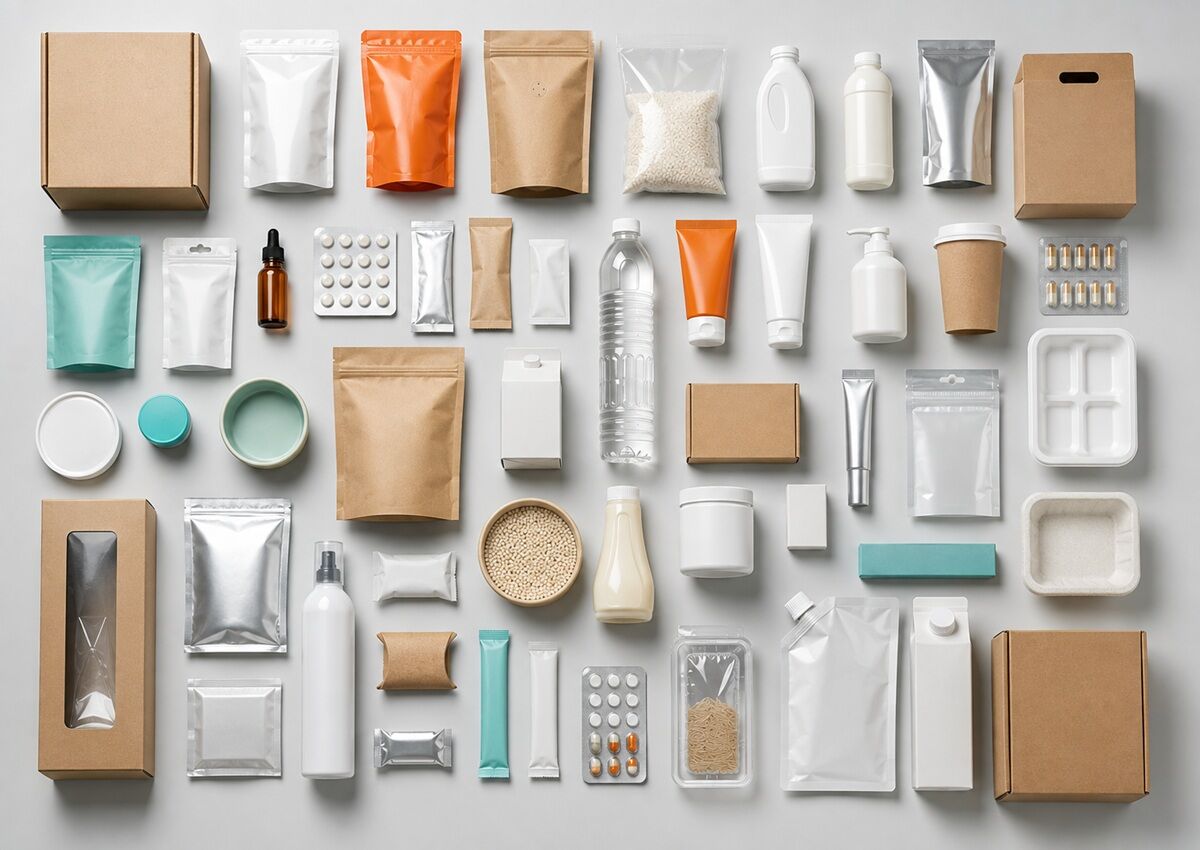
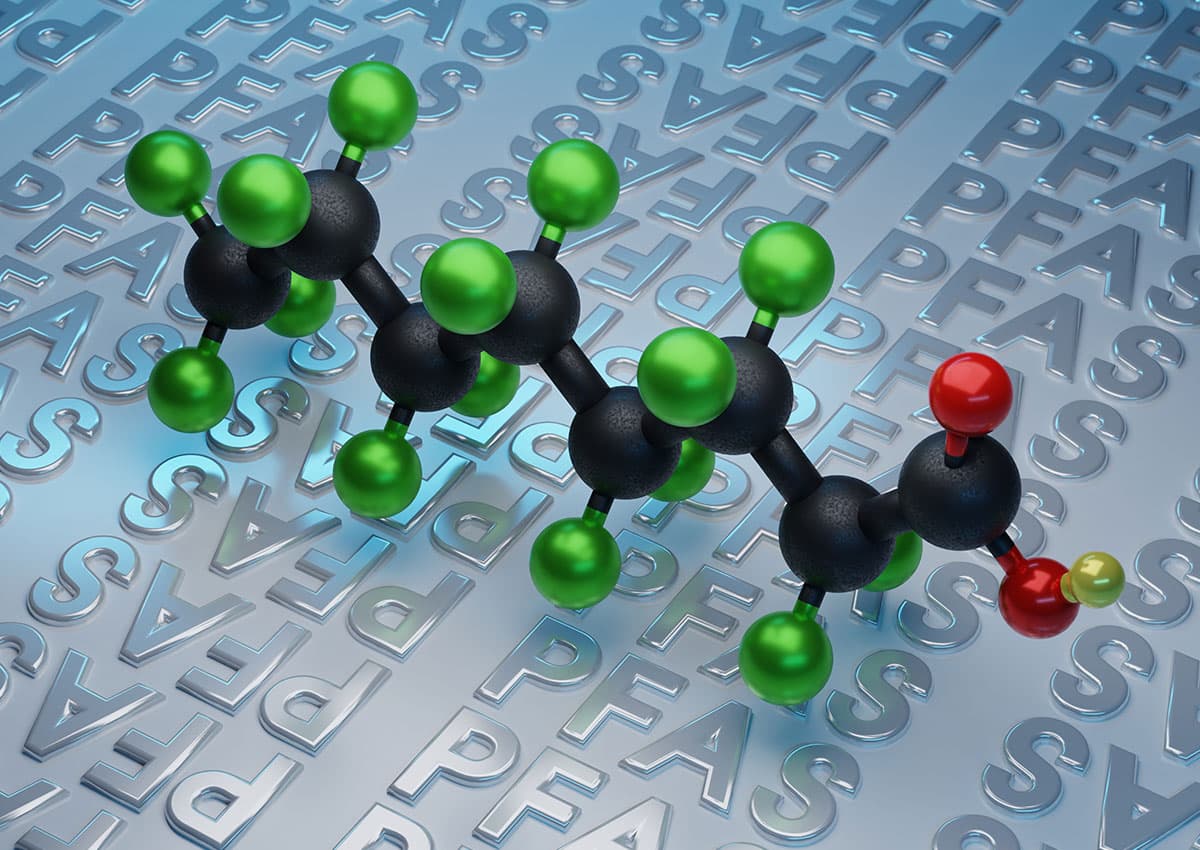
PFAS are used, among other things, for their grease-, water-, and dirt-repellent properties. Therefore, coated paper and cardboard packaging, plastic packaging, molded fibers, and multilayer or functionalized composite materials may be of particular concern. However, it is not possible to determine whether a specific type of packaging is affected based solely on its appearance or intended use.
Checklist
When should companies have their packaging tested?
An analytical test can be particularly useful if:
- new packaging materials are used or existing materials are modified
- a change of supplier or a new source of supply is planned
- packaging that comes into contact with food
- fluorinated, grease-, water-, or dirt-repellent coatings could be used
- material, formulation, or supplier documentation is missing or incomplete
- Request customer information or proof of PFAS compliance
- regulatory tests, supplier audits, or internal assessments are being prepared
- recycled materials, new material composites, or changing raw material sources are being used
- Previous test results cannot be clearly assigned to the current packaging or delivery batch
These situations do not automatically trigger a legal obligation to conduct testing. However, they often indicate gaps in analytical data or a greater need for clarification. Even an unremarkable test result does not constitute blanket confirmation of PPWR compliance. It provides data on the parameters examined and can be used as part of a further technical and regulatory assessment.
What role does packaging analysis play in the PPWR?
Analytical tests can therefore provide reliable data on materials, ingredients, and packaging components. They thus support technical evaluation, quality assurance, supplier qualification, and the preparation of technical documentation. They do not replace a case-by-case legal review or a full conformity assessment.
Which tests are appropriate depends on the material, packaging structure, food contact, coatings, recycled content, supplier information, and the specific issue at hand.
Analysis of fluorine and halogen-containing compounds
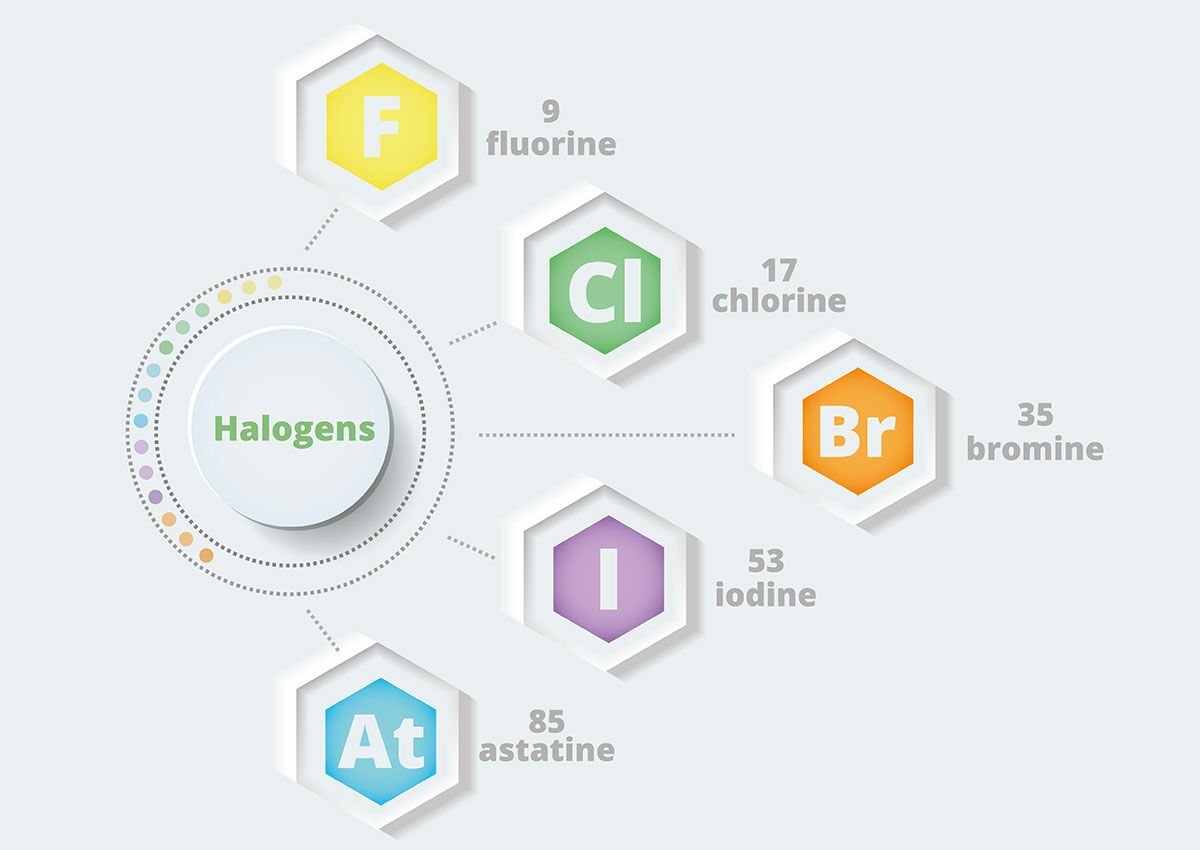
Using Combustion ion chromatography (CIC), packaging materials can be tested for fluorine, chlorine, bromine, iodine, and sulfur. The total fluorine content (TF) can serve as an initial indicator of fluorine-containing compounds. In addition, the sum parameters TOF, AOF, or EOF, as well as targeted PFAS analyses.
Determination of Heavy Metals
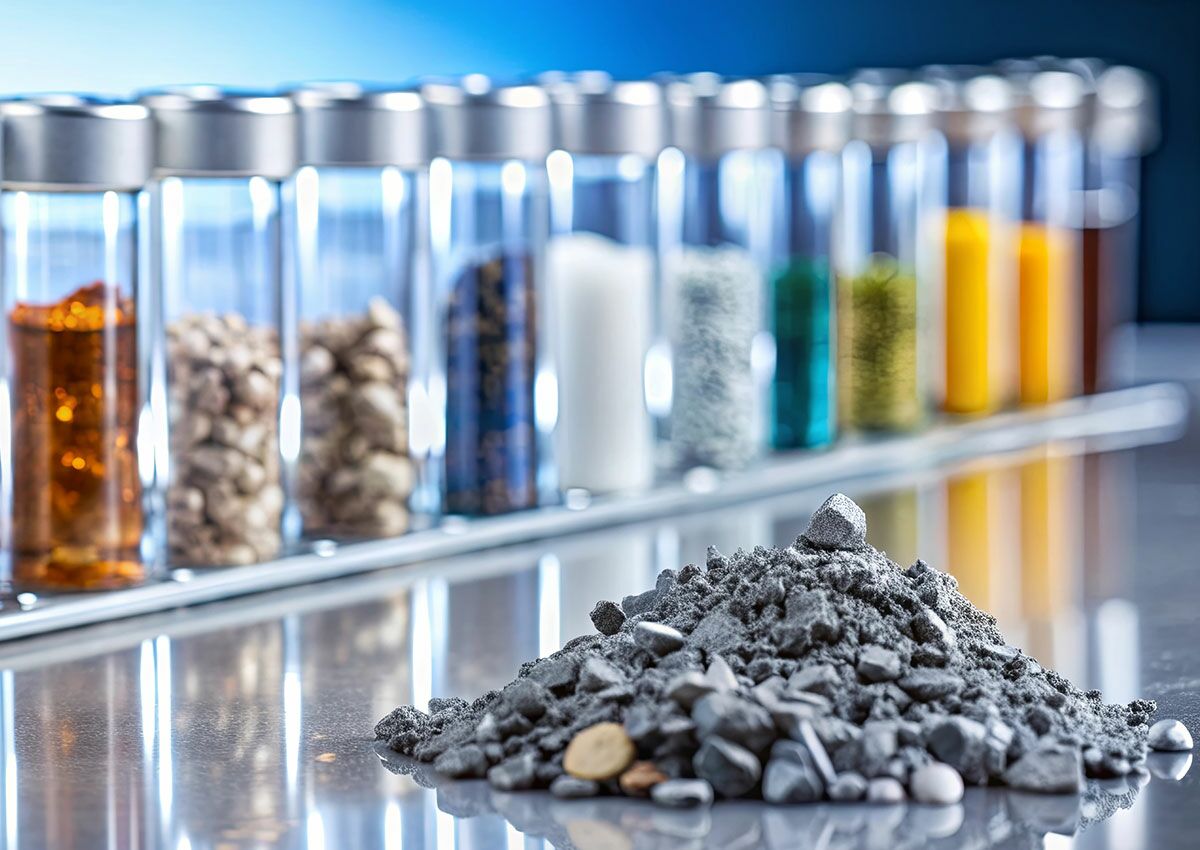
The PPWR limits certain heavy metals in packaging and packaging components. The total concentration of lead, cadmium, mercury, and hexavalent chromium (chromium VI) must not exceed 100 mg/kg. Methods such as ICP-OES enable the quantitative determination of numerous elements and can be used, for example, to analyze lead, cadmium, mercury, and total chromium in packaging materials.
Analysis of Plastics, Coatings, and Composite Materials
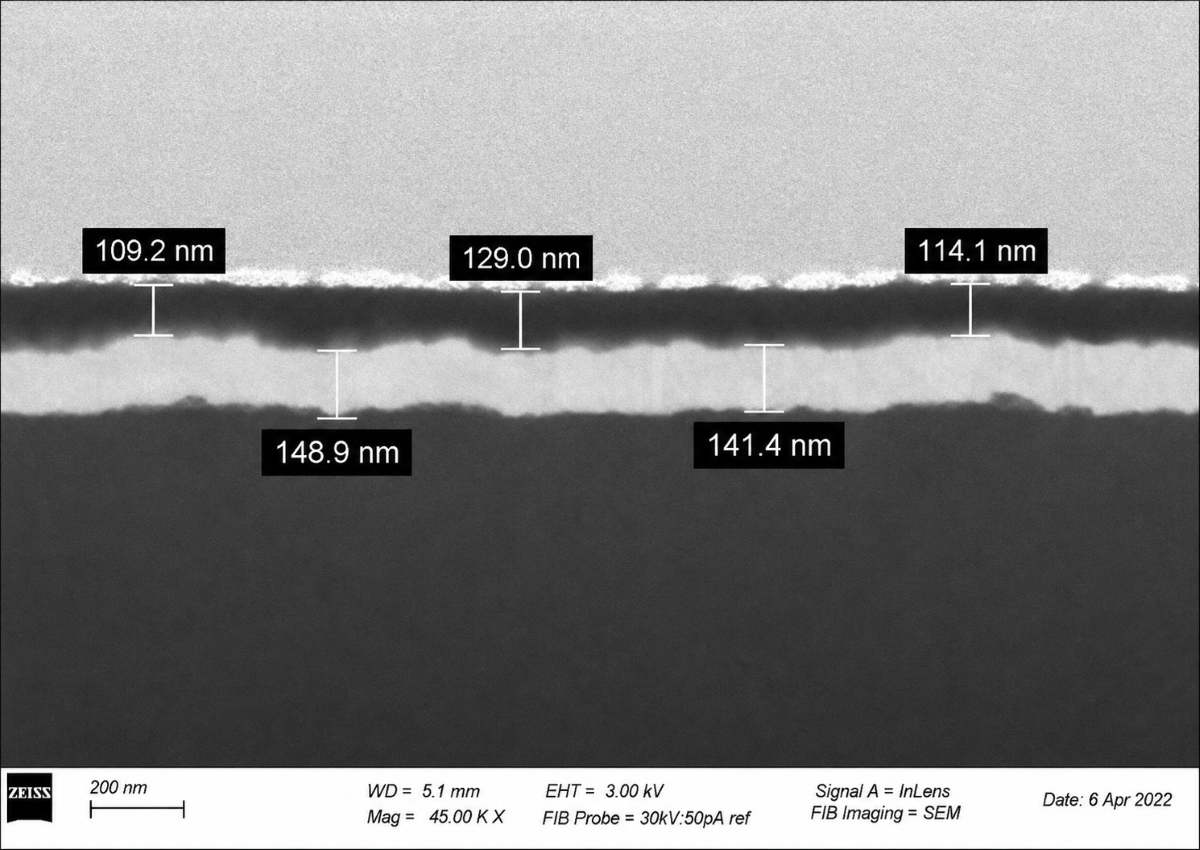
Thermal, spectroscopic , and chromatographic methods provide information on the composition and properties of plastics, coatings and multilayer materials.
For example, the following can be analyzed:
- polymer types
- plasticizers and additives
- solvents and volatile organic compounds
- thermal properties
- degradation and decomposition products
Testing of recycled materials
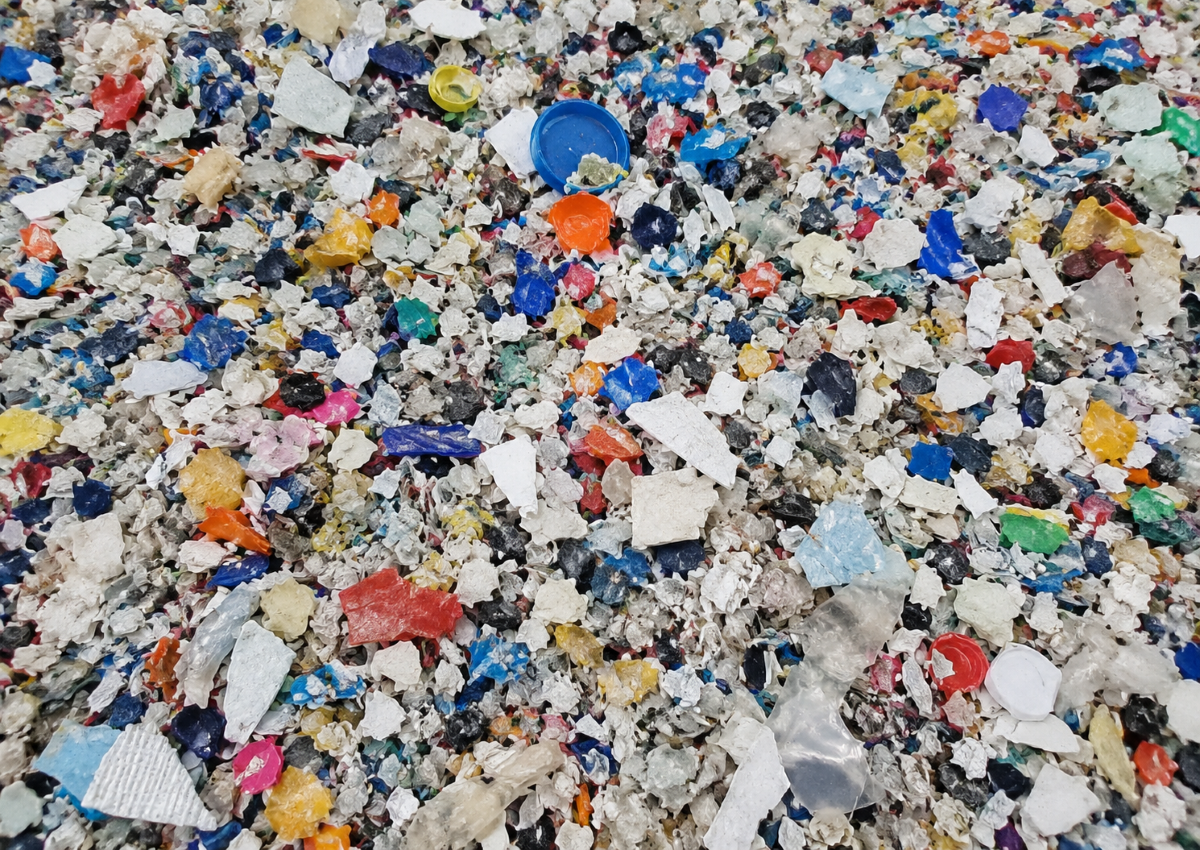
As the proportion of recycled material increases, variations in material composition can become more significant. Analytical testing helps to compare raw materials, intermediate products, and finished packaging, identify undesirable components, and track changes between delivery batches or recycled material sources.
Risk-based analytical monitoring can be particularly useful when switching materials, changing suppliers, or using new recycled material sources.
Packaging Analysis
at Quality Analysis
Quality Analysis supports companies in the context of packaging analysis with the examination of packaging, packaging materials, and recycled products. A wide range of analytical methods is available for this purpose, which can be combined depending on the material and the specific research question.
- Total Fluorine (TF) and Fluorine Screening
- Analysis of selected PFAS
- Analysis of TOF, AOF and EOF
- Determination of halogens and sulfur
- Analysis of heavy metals as lead, cadmium, mercury, and chromium (VI)
- Analysis of plasticizers and additives
- Determination of solvents and VOCs
- Plastics inspection
- Thermal material characterization
- Analysis of coatings and multilayer systems
- Analysis of recycled materials
Frequently asked questions about PPWR and Packaging Analysis
PPWR stands for “Packaging and Packaging Waste Regulation”. This refers to Regulation (EU) 2025/40 on packaging and packaging waste. It is gradually replacing the previous EU Packaging Directive and establishes requirements for packaging in the European Union that are immediately applicable.
The PPWR went into effect on February 11, 2025. Most of the regulations apply in principle, as of August 12, 2026. Additional requirements—such as those regarding recyclability, packaging minimization, and recycled content—will be phased in gradually.
The PPWR affects numerous companies throughout the packaging and supply chain. Depending on their business model, these include, among others, packaging manufacturers, manufacturers of packaged products, importers, retailers, suppliers, logistics companies, and fulfillment service providers.
In general, the PPWR covers all packaging and packaging waste regardless of material or origin. However, special regulations, exceptions, or transition periods may apply to certain types of packaging, intended uses, and industries.
The PFAS limits set by the PPWR apply to food contact packaging. Coated paper, cardboard, plastic, and composite packaging may be particularly relevant if fluorinated substances were used, for example, to provide grease-, water-, or stain-repellent properties.
The determination of total fluorine is suitable as a first screening parameter. However, it does not indicate whether the fluorine is bound in an organic or inorganic form, nor whether it originates from PFAS or other fluorine compounds. For further classification, it may therefore be necessary to determine TIF and calculate TOF.
The PPWR limits the sum of the concentrations of lead, cadmium, mercury, and hexavalent chromium in packaging and packaging components to 100 mg/kg.
A laboratory analysis can determine relevant material properties and constituents and thus provide an important basis for conformity assessment. Whether all PPWR requirements are met, however, also depends on the type of packaging, its design, its intended use, the company’s role, and other legal and technical criteria.
Quality Analysis tests packaging materials for fluorine, organically and inorganically bound fluorine compounds, and other critical substances. A suitable testing strategy is developed based on the material, its application, and existing evidence. The results provide an analytical basis for technical evaluation and documentation.
Accredited test laboratory
for packaging analysis
As a testing laboratory accredited according to DIN EN ISO/IEC 17025, Quality Analysis delivers traceable and reliable test results. Working closely with you, our experts develop an analytical strategy tailored to your requirements. The results can serve as an analytical basis for evaluating your packaging, ensuring quality, and preparing technical documentation.
Find out more about the advantages our accreditation offers you: