
Hydrogen embrittlement
When metals suddenly fail without any visible signs of overloading, hydrogen embrittlement is often the cause. High-strength steels, in particular, are sensitive to trapped hydrogen, which can significantly reduce the material’s toughness. The damage often occurs with a time delay and without visible signs, making it particularly critical for safety-critical components. In this article, you will learn how hydrogen embrittlement develops, which materials are particularly susceptible, and which materialographic examinations and standard-compliant testing methods can be used to detect and prevent damage.
Table of contents
- What is hydrogen embrittlement?
- What causes hydrogen embrittlement?
- Detecting hydrogen embrittlement
- Difference: Corrosion and hydrogen embrittlement
- Two types of hydrogen-induced fractures
- Test procedures and analytical methods – detecting hydrogen embrittlement
- Which materials are susceptible to hydrogen embrittlement?
- How can hydrogen embrittlement be prevented?
- Industries most frequently affected by HE
- Frequently asked questions about hydrogen embrittlement
- Summary: Hydrogen embrittlement

Contact us –
expert support is just a conversation away.
Using state-of-the-art analytical methods, we assist you with quality issues, damage claims, and development challenges – providing precise, well-founded, and solution-oriented support.

What is hydrogen embrittlement?
Hydrogen embrittlement (HE) is a phenomenon in which the strength and toughness of metallic materials change. It is caused by the penetration of hydrogen into the metal lattice. This results in a deterioration of the mechanical properties and leads to hydrogen-induced cracking. This causes the materials to become brittle and more susceptible to fracture under stress. Hydrogen embrittlement is a materials-related damage mechanism that often occurs in conjunction with corrosion processes and can resemble material fatigue.
A brief explanation: Brittleness
To understand the mechanism of material damage caused by hydrogen embrittlement, the concept of brittleness must be defined. This refers to the behavior of a material that undergoes hardly any plastic deformation under load and therefore can fracture suddenly. Typical brittle materials include glass and ceramics, which fracture even under relatively small amounts of deformation.
What causes hydrogen embrittlement?
As the smallest atom, hydrogen (H) can penetrate the microstructure of metals. After atomic hydrogen is adsorbed onto the metal surface, it diffuses into the interior of the material and tends to accumulate in areas of stress concentration, such as notches, inclusions, or other material defects. Hydrogen can originate from various sources , such as moist air, acids, welding processes, or hydrogen gas. Under high mechanical stress, the trapped hydrogen leads to the formation of brittle fractures, which continue to propagate over time. Such critical stress states are also frequently caused by residual stresses that remain in the material following manufacturing processes such as rolling, forming, or welding.
In short: The mechanism of hydrogen embrittlement
Hydrogen embrittlement occurs only when three basic conditions are met simultaneously:
- Hydrogen is present.
- The component is subjected to a constant stress.
- The material is susceptible to this effect.
Detecting Hydrogen Embrittlement
at Quality Analysis
Hydrogen embrittlement is one of the most insidious forms of material damage—often invisible, yet critical to safety. At Quality Analysis, we use a targeted combination of analytical and testing methods to comprehensively examine affected materials, identify the causes of damage, and reliably assess risks.
Our areas of focus:
- Metallographic microstructural analyses to identify microcracks, grain boundary embrittlement, and intercrystalline cracking
- Industrial computed tomography (CT) for non-destructive testing of internal defects and crack structures
- Weld seam and surface analyses to evaluate residual stresses, hydrogen ingress, and process-related effects
- Chemical analysis to identify residues and potential sources of hydrogen on component surfaces
- Corrosion testing to evaluate material behavior under ambient hydrogen ingress
- Defect analyses to determine the causes of brittle component failure — based on structural mechanical and microanalytical evaluation
Difference: Corrosion and hydrogen embrittlement
Since both corrosion and hydrogen embrittlement can weaken materials and lead to cracks or fractures, the two are often confused. Both phenomena frequently occur in similar environments, but are caused by different mechanisms.
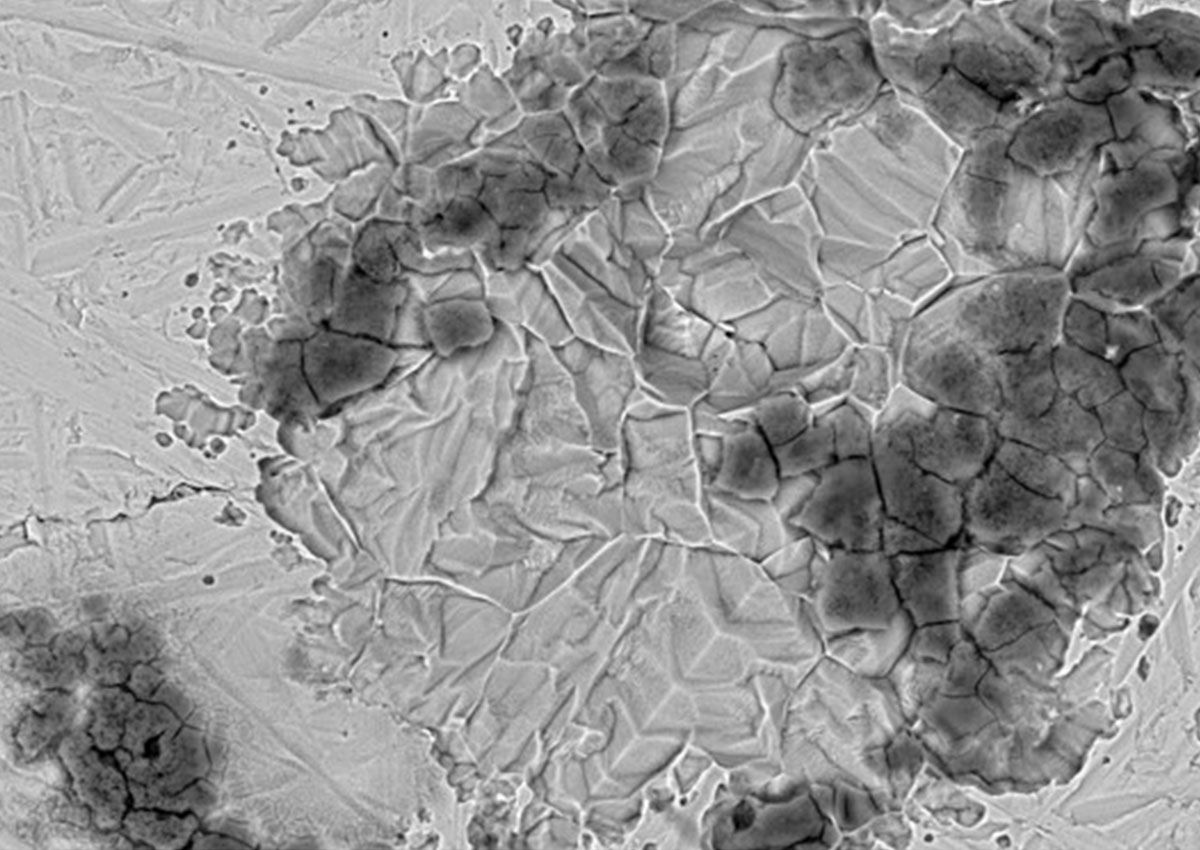
External Damage:
Material Failure Due to Corrosion
Corrosion is a chemical or electrochemical process in which a metal reacts with its environment. In the process, the metal decomposes, and weaknesses such as rust, pitting, or stress corrosion cracking occur. These changes are usually visible and primarily affect the surface of the material.
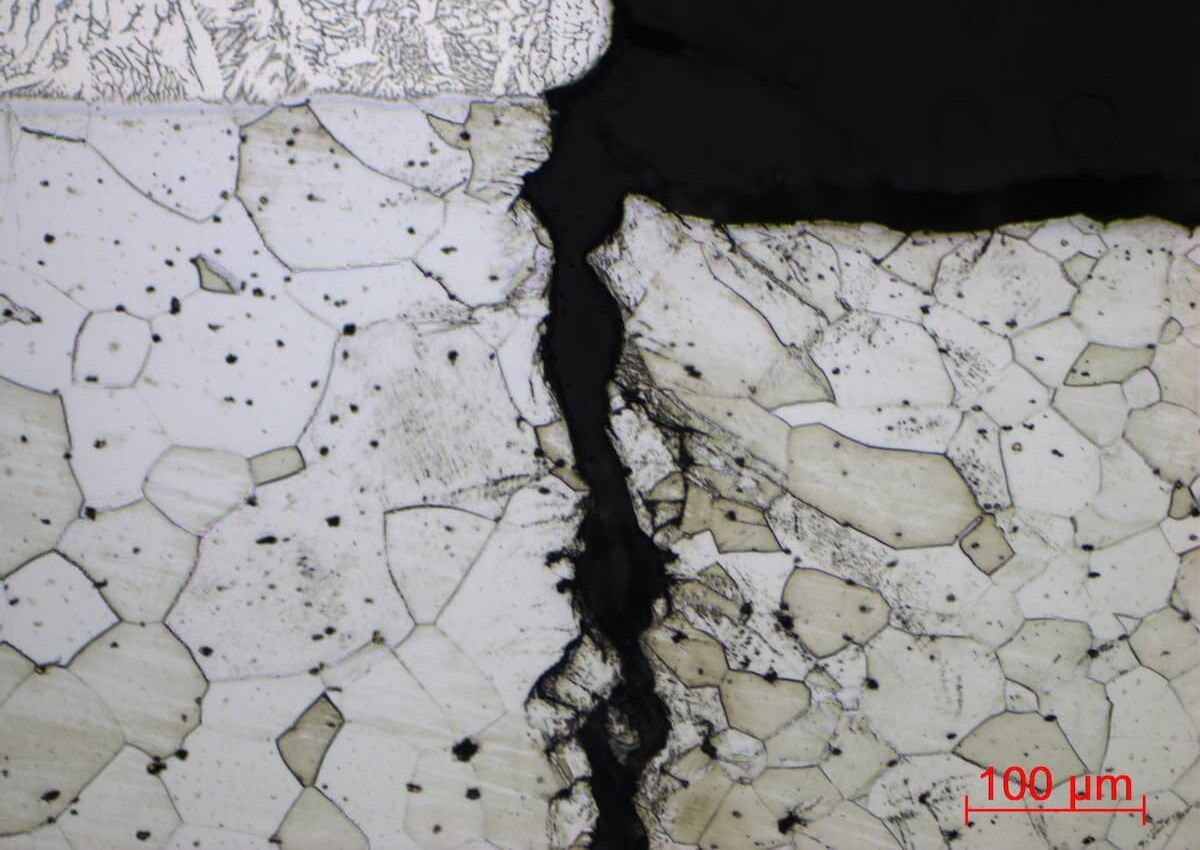
Internal Material Damage:
Hydrogen Embrittlement
Hydrogen embrittlement, on the other hand, is an internal damage mechanism in which hydrogen atoms penetrate the metal lattice and reduce the material’s toughness. This causes the material to become brittle and can lead to sudden fracture without any external signs.
Two Types of Hydrogen-Induced Fractures
Depending on how hydrogen enters the material, there are two main types of hydrogen-induced failure: internal and external hydrogen embrittlement. Both mechanisms result in brittle fracture behavior, but differ in their causes and the conditions under which they occur. Fundamentally, the key difference lies in the timing of absorption: during manufacturing or after assembly.
Internal hydrogen embrittlement (IHE)
In this case, hydrogen penetrates the metal during manufacturing or processing—for example, during welding, electroplating, or through chemical reactions. Pickling with acidic solutions in particular promotes this effect, as it produces hydrogen as a byproduct that accumulates in the material. Hydrogen can also be absorbed during electroplating if it is generated on the surface of the material during the process and penetrates into the material.
Environmentally Induced Hydrogen Embrittlement (EHE)
Environmentally induced hydrogen embrittlement occurs over the course of service life when the material—especially in a humid environment—absorbs hydrogen from external sources. The main cause is usually corrosive stress triggered by electrochemical reactions in the presence of water, particularly under acidic or chloride-rich conditions.
The hydrogen produced in this process can penetrate the metal and preferentially accumulate at crack tips. This causes existing microcracks to grow further, thereby further accelerating the embrittlement process.
Consider future operating conditions
To minimize the risk of environmentally induced hydrogen embrittlement, the future service conditions must be taken into account as early as the planning phase. If it is foreseeable that a joint will be exposed to high or fluctuating humidity during operation—for example, at the boundary to Service Class 2—particularly careful design is required. Usage classes describe the moisture exposure of a component during operation—ranging from dry interior spaces (Class 1) to exterior areas subject to constant moisture (Class 3).
A best practice is to assign connections to a higher service class as a precautionary measure in order to better account for long-term risks. This results in an adjusted design with higher safety factors and the use of corrosion-resistant materials. Permanent protective measures—such as seals, protective membranes, or special protective systems—contribute significantly to the reliability and service life of the connection.
Test Procedures and Analytical Methods – Detecting Hydrogen Embrittlement
Material testing
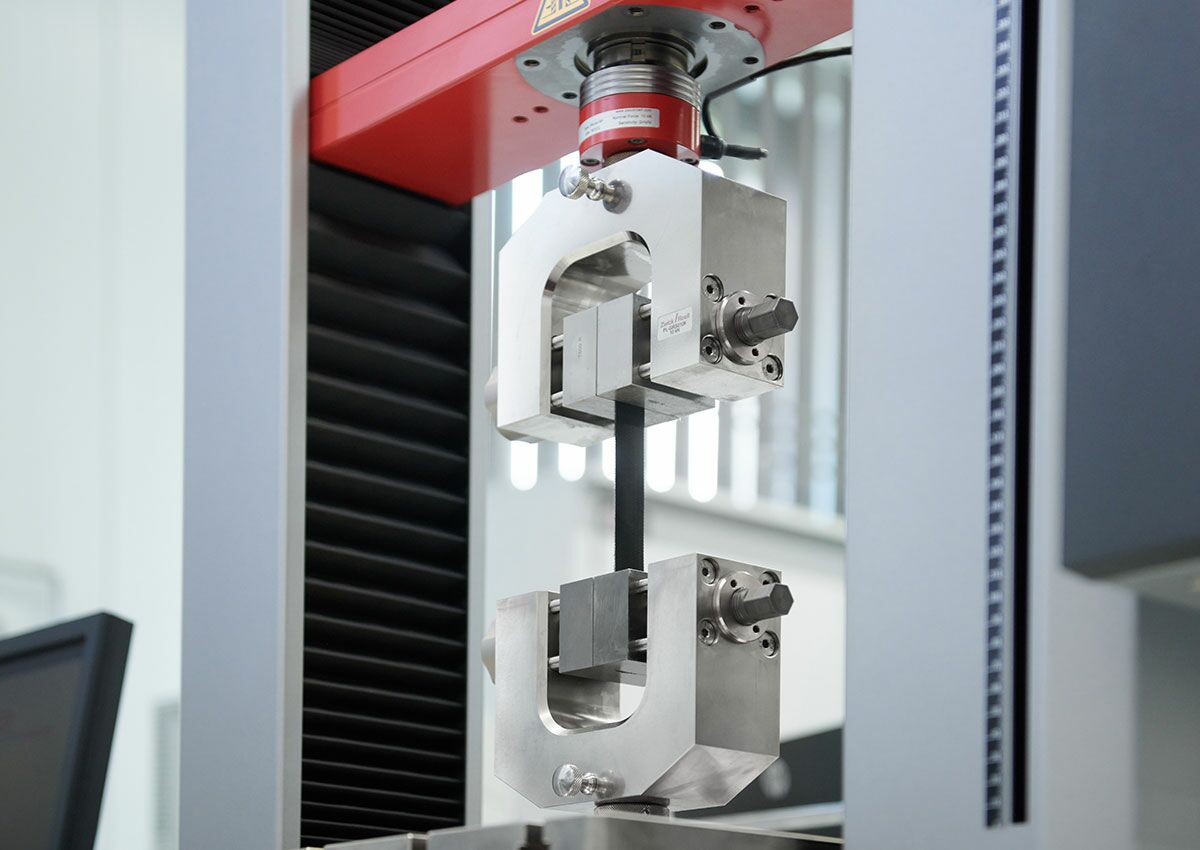
Mechanical, physical, and chemical testing methods help identify changes in material properties. These include, among others, tensile tests, hardness testing, and notched impact tests, which can provide indications of reduced toughness or embrittlement.
Corrosion Testing
Practical tests conducted under realistic environmental conditions—such as salt spray tests or cyclic climatic stress tests—demonstrate how resistant a material is to humid, acidic, or chloride-containing environments. This allows for a more accurate assessment of the risk of hydrogen-induced damage.
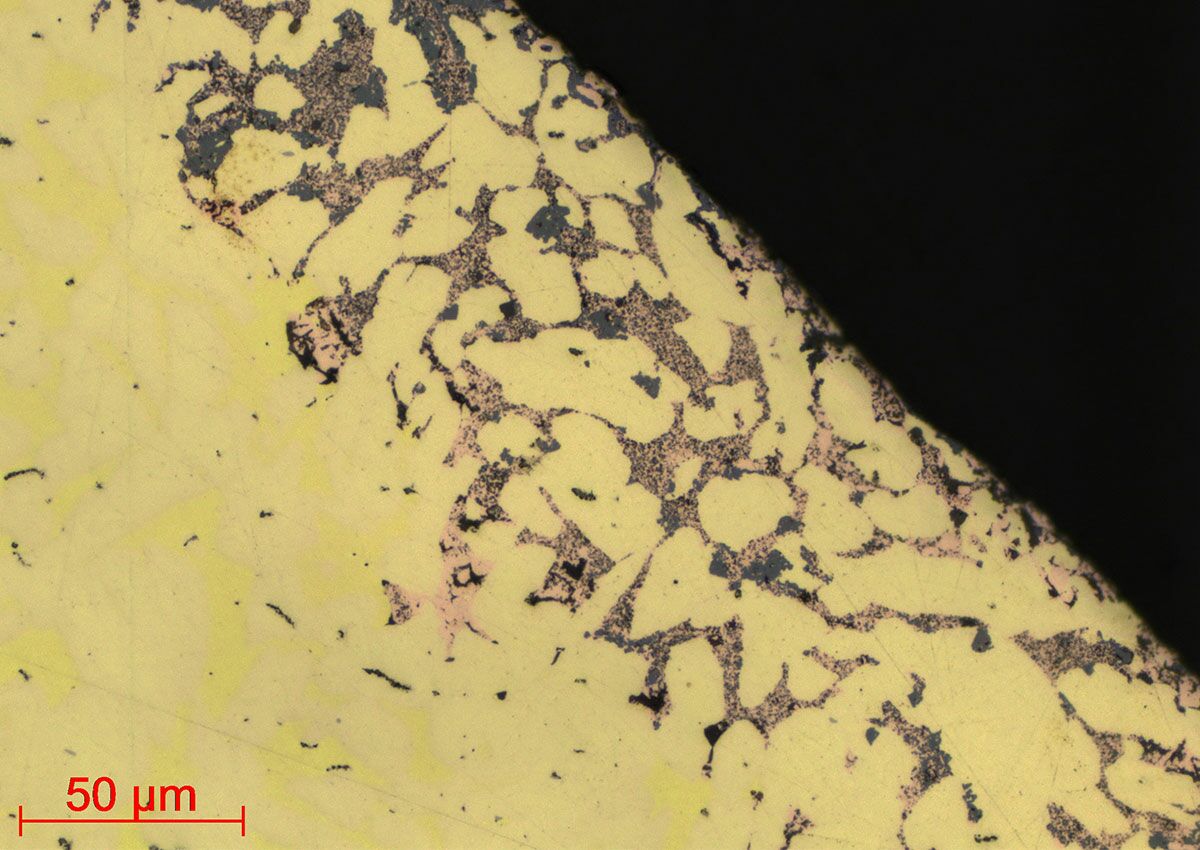
Weld seam testing
Since welding processes represent potential entry points for hydrogen, weld seams are specifically inspected using destructive and non-destructive testing methods (e.g., 2D X-ray inspection, 3D CT, ultrasonic testing) to detect defects such as cracks or pores.
Microstructural Analysis
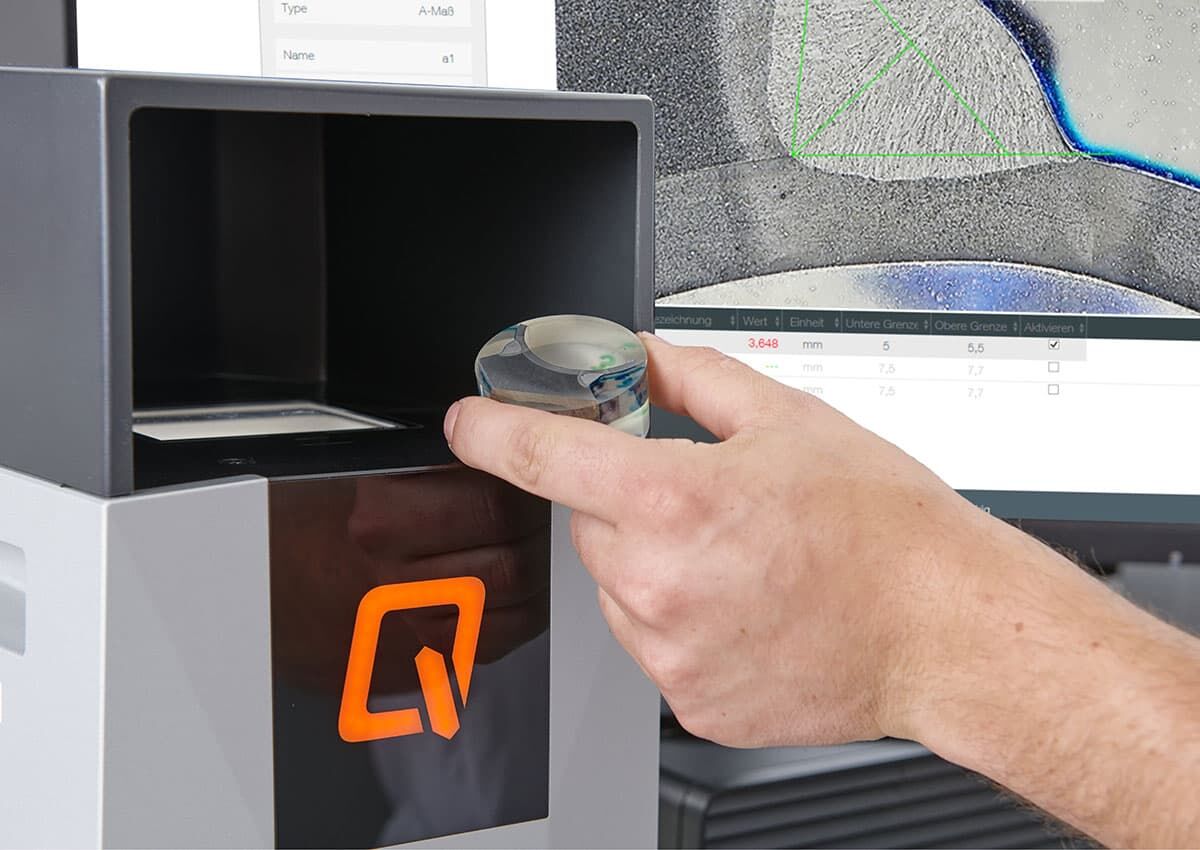
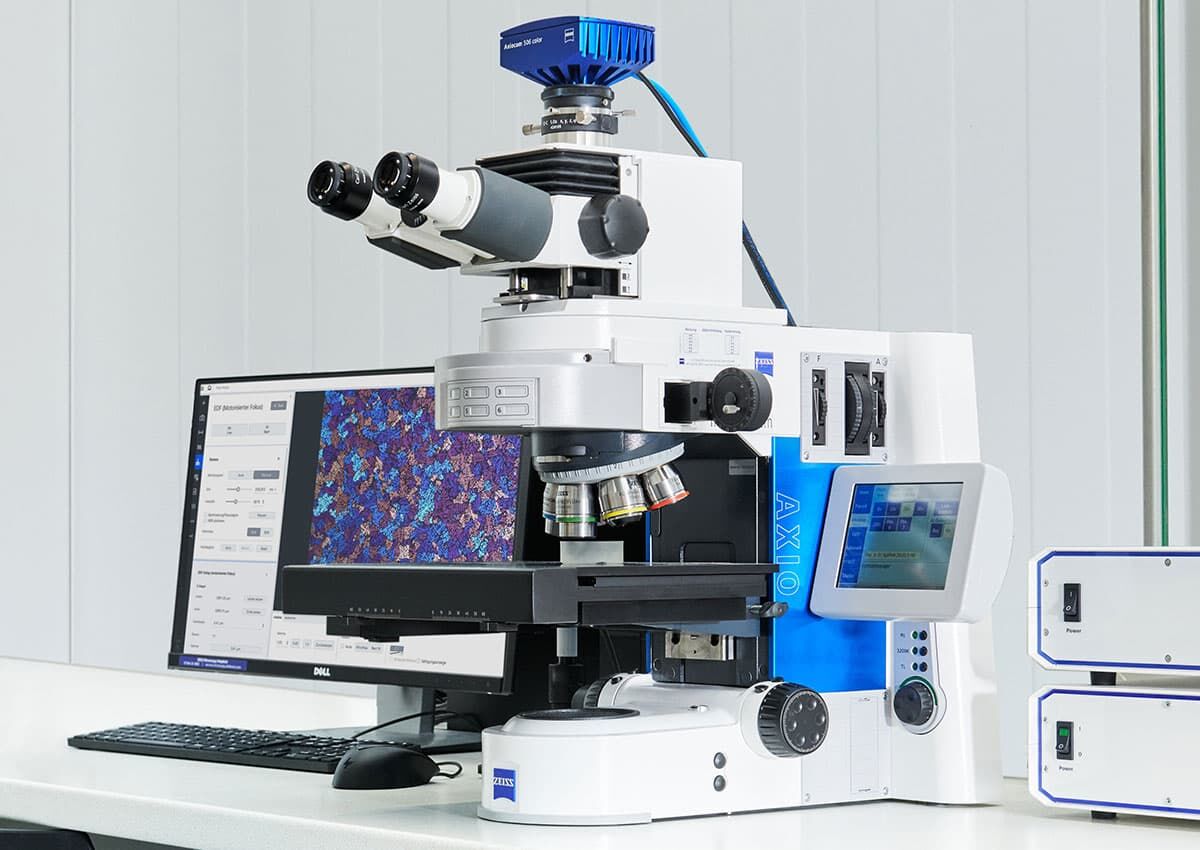
The metallographic analysis —including light microscopy, scanning electron microscopy (SEM) and SEM-EDX – allows for the assessment of a material’s internal structure. This process reveals grain sizes, inclusions, phase boundaries, and possible hydrogen enrichments.
Fractography
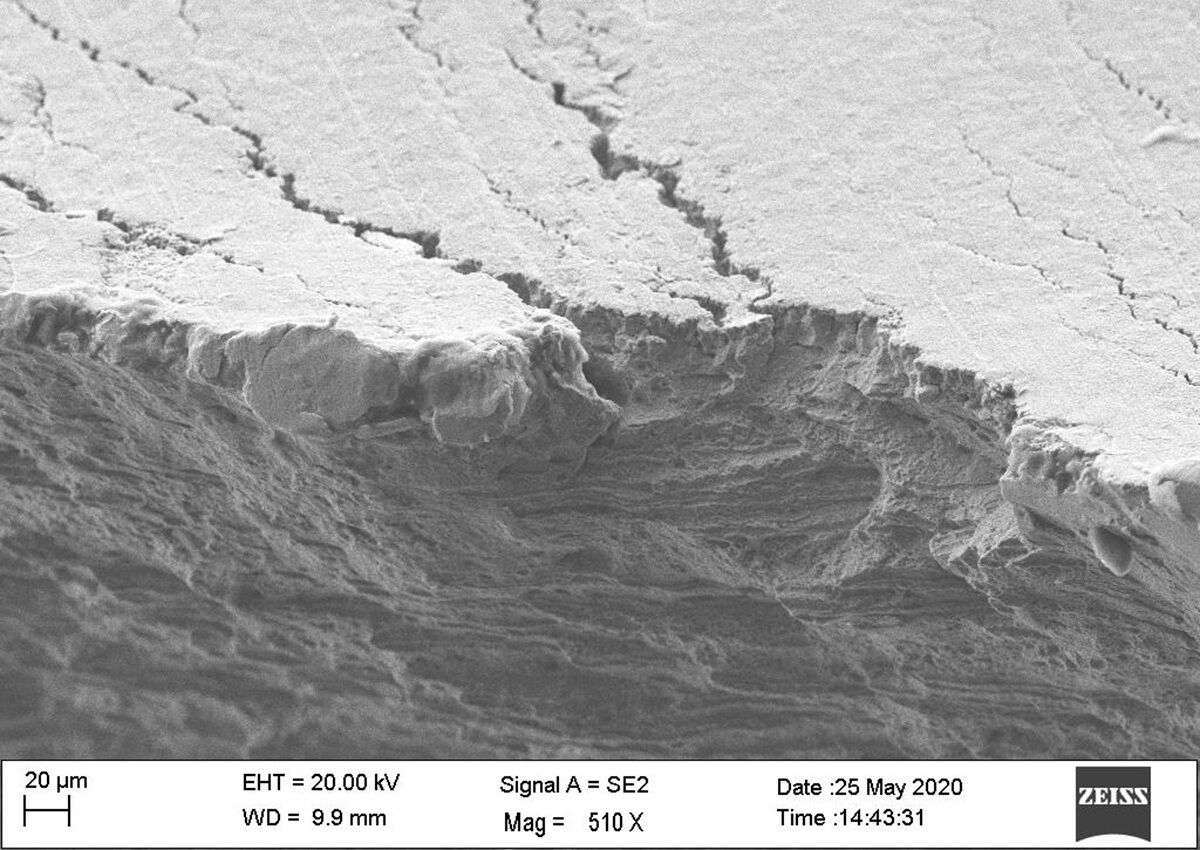
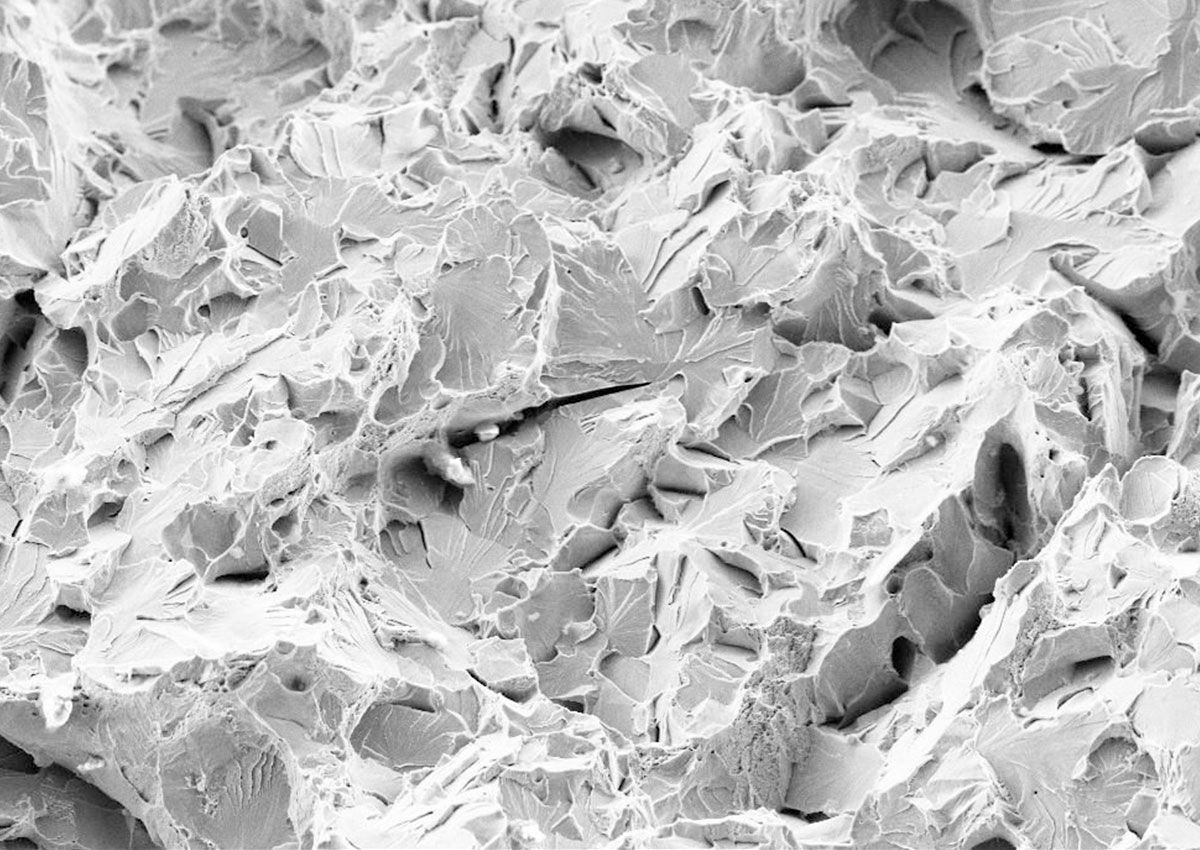
Fracture surface analysis using SEM-EDX reveals typical characteristics of hydrogen-induced brittle fractures, such as intercrystalline crack propagation or flat fracture surfaces. This makes it possible to determine retrospectively whether hydrogen embrittlement was the cause of a component failure.
Anwendung 6
Lorem ipsum dolor sit amet, consetetur sadipscing elitr, sed diam nonumy eirmod tempor invidunt ut labore et dolore magna aliquyam erat, sed diam voluptua. At vero eos et accusam et justo duo dolores et ea rebum.

Flächenrauheit
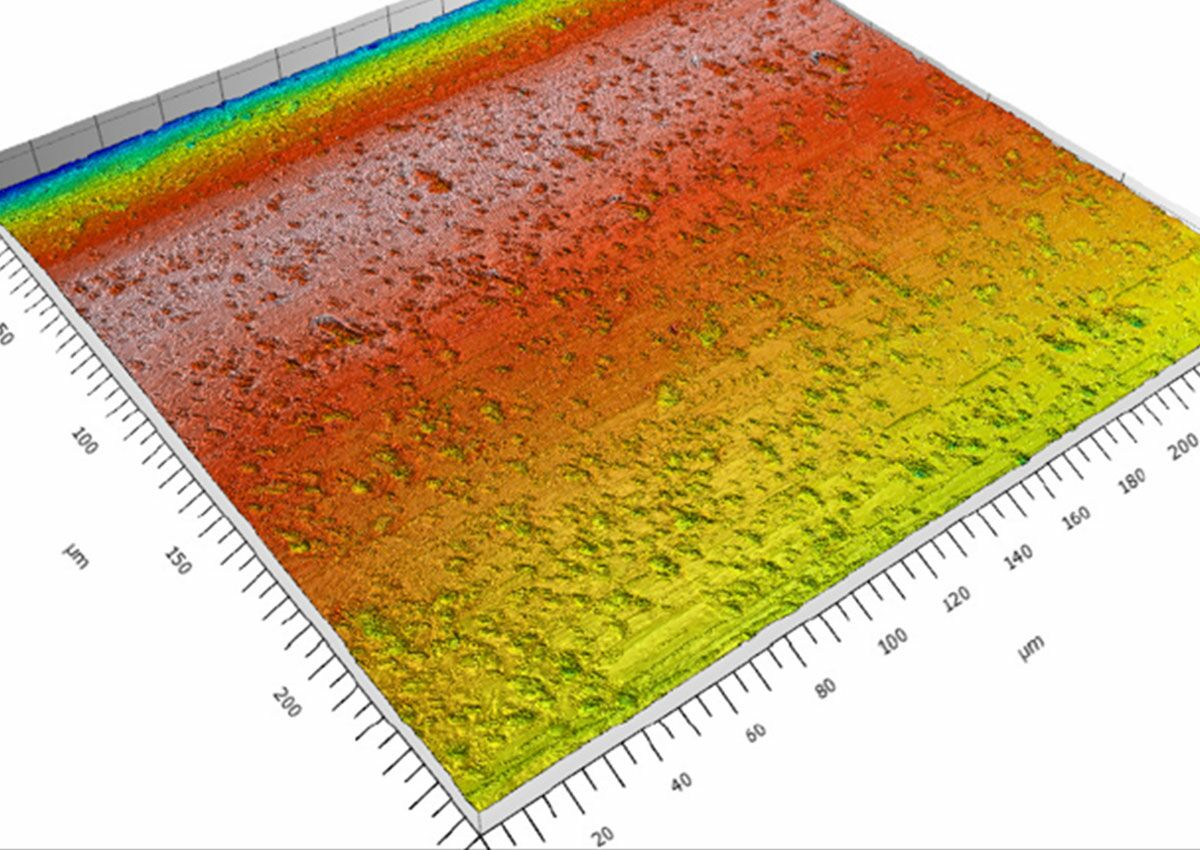
Mit dem Laser-Scanning-Mikroskop untersuchen wir berührungslos die Oberflächenrauheit und -topografie von Metallen, Polymeren, Halbleitern, Keramiken, Mehrschichtsystemen u.v.m. So können wir die Qualität und Funktionsfähigkeit der Oberflächen sowie einen evtl. Materialverschleiß und Vertiefungen bewerten und dreidimensional darstellen.
Beschichtungen
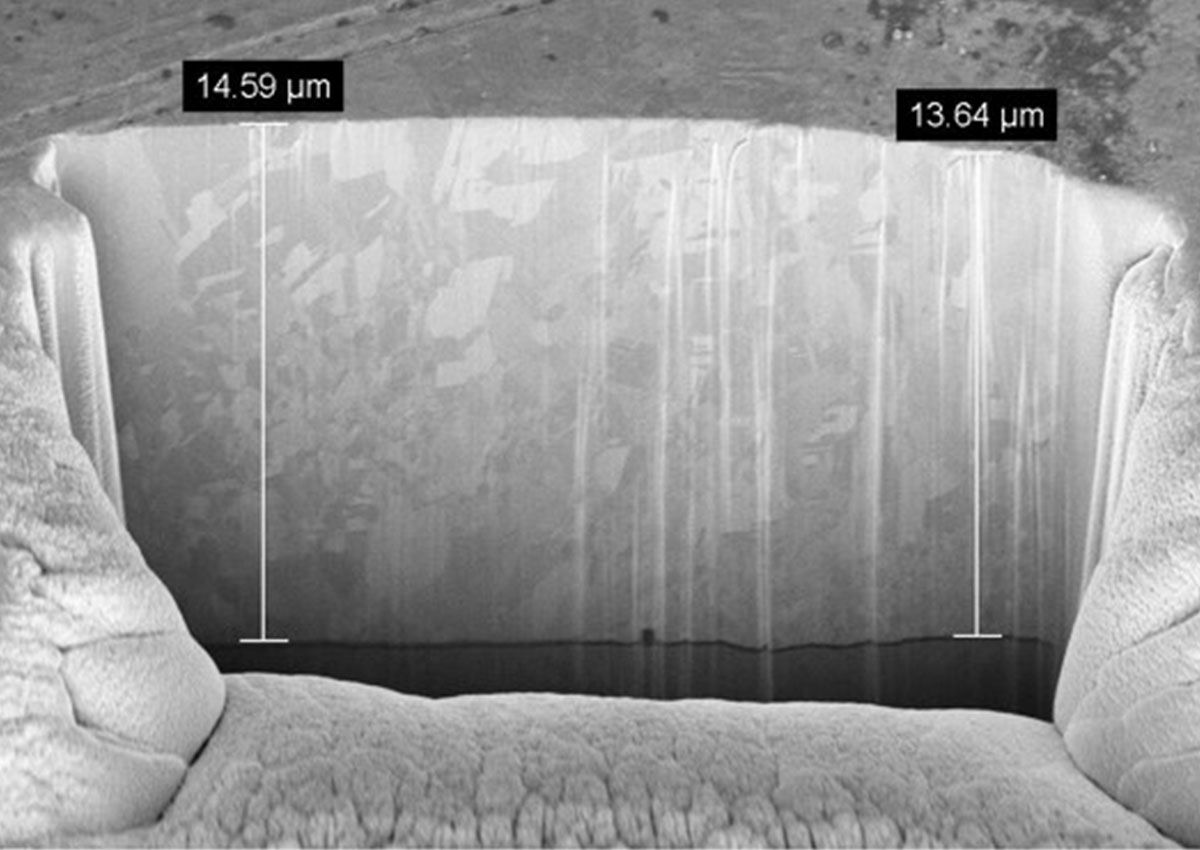
Zur Untersuchung von Schutz- und Funktionsschichten setzen wir zahlreiche Analysetechniken ein, um die Schichtdicke, die Fusionslinie, die Oberflächentopografie, die Rauheit, die Mikrohärte u.v.m. zu bestimmen. Auch eine Begutachtung der Beschichtungsoberfläche und Bestimmung der Materialzusammensetzung der Beschichtung ist möglich.
Schichtdickenmessung
Die Schichtdickenmessung zusammengesetzter Polymere kann ebenfalls mit dem Laser-Scanning-Mikroskop mit einer Auflösung im Bereich weniger Nanometer erfolgen. Auch eine dreidimensionale Darstellung der einzelnen Schichten des jeweiligen Werkstücks ist mit dieser bewährten Untersuchungsmethode zuverlässig und mit hoher Genauigkeit möglich.
Rasterelektronenmikroskopie
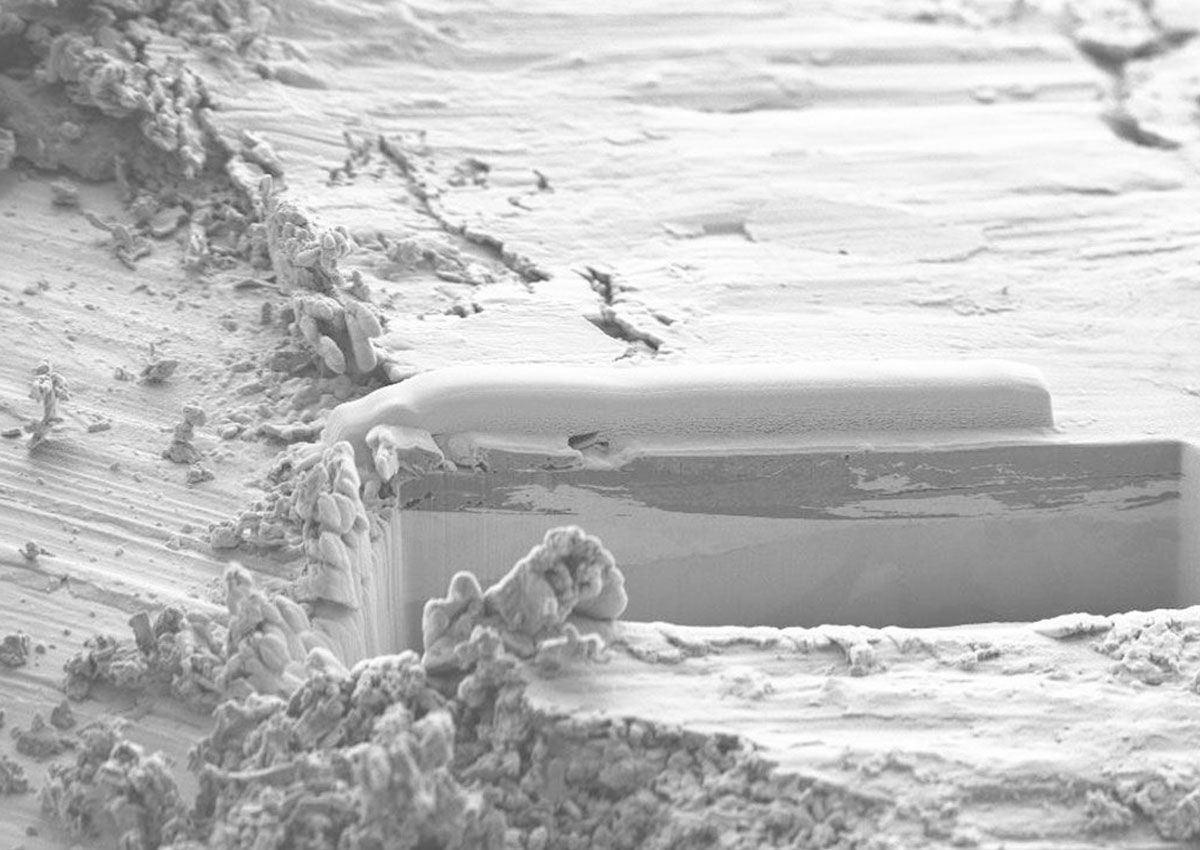
Die Rasterelektronenmikroskopie ermöglicht eine hochauflösende und dreidimensionale Darstellung von Oberflächen und Strukturen sowie die Bestimmung der chemischen Zusammensetzung der Probe (EDX-Analyse). Die FIB-SEM-Mikroskopie erlaubt Probenpräparationen im Nanomaßstab zur Tiefenanalyse von Gefügestrukturen und Beschichtungen.
Zug- / Druck- / Biegeprüfung
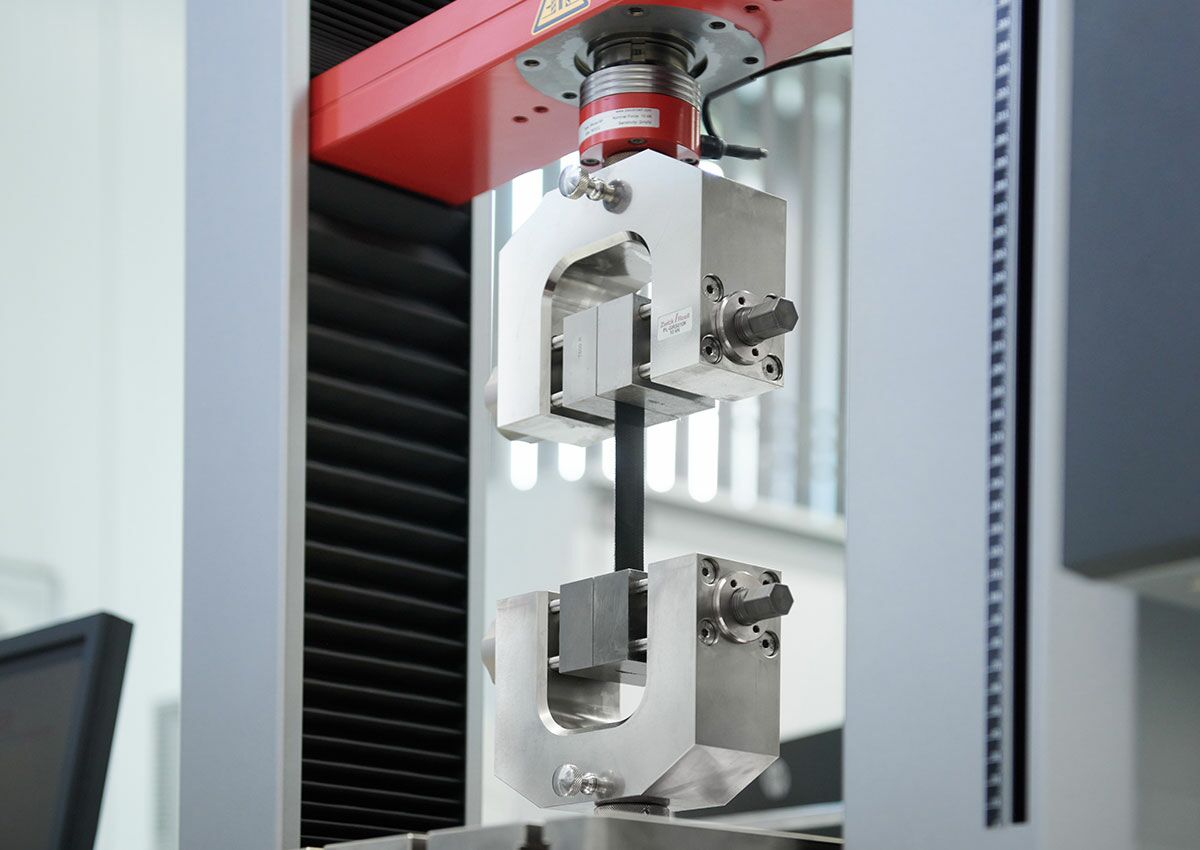
Die Zug-, Druck- und Biegeprüfung gehören zum klassischen Repertoire der zerstörenden Werkstoffprüfung. Mit modernen Prüfeinrichtungen, einer umfassenden Kenntnis der relevanten Regelwerke und viel praktischer Erfahrung sorgen unsere Experten für die korrekte Durchführung der einzelnen Prüfungen.
Legierungszusammensetzung (OES)
Mittels der Funkenemissionsspektroskopie (OES) untersuchen wir einzelne Legierungselemente wie Eisen, Aluminium, Kupfer, Zink, Magnesium, Titan, Kobalt oder Nickel qualitativ und quantitativ auf ihre Zusammensetzung. Diese wird mit den in Normen und im Stahlschlüssel aufgelisteten Grenzwerten oder Ihren eigenen Vorgaben abgeglichen und bewertet.
Which materials are susceptible to hydrogen embrittlement?
The choice of the right material must meet the specific requirements of hydrogen infrastructure in order to minimize the risk of hydrogen embrittlement. Depending on the material, the material-specific susceptibility to hydrogen-induced fracture varies considerably.
Hydrogen Embrittlement in Steel
Steel is one of the most common materials affected by embrittlement. The risk depends on the internal structure of the steel. Particularly high-strength steel grades, which are used, for example, in heavy machinery, are problematic. Their high martensite content makes them vulnerable to hydrogen-induced damage. The addition of various metals in alloys (link) also influences susceptibility.
In contrast, so-called austenitic steels are significantly more resistant, as they absorb hydrogen much more slowly. These include, for example, CrNi steels. Increasing the nickel content and reducing the carbon content in the material reduces the risk of hydrogen embrittlement.
The Effect of Hydrogen on Non-metallic Materials
Plastics are not affected by hydrogen embrittlement in the traditional sense. However, hydrogen can penetrate the polymer structure under pressure. Rapid decompression can cause gas bubbles to form, leading to internal damage or the material bursting.
Aluminum and magnesium alloys are susceptible to reversible hydrogen embrittlement, in which the original mechanical properties can be restored through long-term degassing. However, when exposed to dry, gaseous hydrogen, these alloys show no susceptibility to hydrogen embrittlement.
How can hydrogen embrittlement be prevented?
Avoiding Sources of Hydrogen
Reducing exposure to hydrogen, e.g., by controlling corrosion processes or avoiding contact with hydrogen-containing media.
Use of corrosion-resistant materials
Use of alloyed or coated materials that offer better protection against hydrogen absorption and diffusion.
Coatings and Surface Treatments
Oxide or passivation layers can act as a barrier to prevent hydrogen from penetrating the metal.
Temperature Control
Avoid high temperatures, as they can increase hydrogen diffusion and absorption.
Optimizing Material Selection
Materials with low hydrogen solubility or specially developed hydrogen-resistant alloys can reduce the risk.
Stress Control
Reducing mechanical stresses in the material, e.g., through heat treatment, to prevent crack formation and hydrogen absorption.
Degassing
Long-term degassing of materials can help remove trapped hydrogen from the material.
Industries Most Affected by Hydrogen Embrittlement
Hydrogen embrittlement occurs in various industries where materials are exposed to extreme stresses and hydrogen-containing environments .

Aerospace industry
In this industry, material integrity is of critical importance. Hydrogen embrittlement can lead to sudden failure in aircraft parts and rocket structures, which could jeopardize safety.

Automotive
Hydrogen embrittlement can compromise structural integrity and lead to unexpected material failure, particularly in high-strength steels used in vehicle frames and other critical components.

Energy & Infrastructure
In the oil and gas industry and in hydrogen infrastructure, pipelines, pressure vessels, and technical systems are often exposed to high mechanical stresses and hydrogen-containing media. This increases the risk of hydrogen-induced damage and premature material failure.
Chemical industry
In the chemical industry, hydrogen embrittlement plays a significant role, particularly when processing aggressive chemicals and under high thermal loads. Therefore, the selection of suitable materials for piping, reactors, and process equipment is of critical importance. Controlled temperature management can also help reduce hydrogen absorption and critical stress conditions in the material.
Frequently Asked Questions About Hydrogen Embrittlement
Hydrogen embrittlement occurs when atomic hydrogen penetrates the metal lattice and accumulates at defects, grain boundaries, or areas of high stress. As a result, the material loses toughness and becomes more susceptible to cracking and brittle fracture.
High-strength steels have a microstructure that allows hydrogen to accumulate more easily in critical areas. This significantly increases the risk of hydrogen-induced cracks and brittle fractures.
In some materials, trapped hydrogen can be partially removed through heat treatment or long-term degassing. Whether the original material properties can be fully restored depends on the material and the extent of the damage.
Yes. During welding, hydrogen can enter the material. In combination with residual stresses, hydrogen-induced cracks can develop over time. That is why appropriate welding processes and post-weld treatments are particularly important.
Summary: Hydrogen embrittlement
Hydrogen embrittlement poses a serious risk to the integrity of components, particularly in high-strength steels and certain alloys. It often occurs invisibly and with a time delay, making early detection and prevention difficult. However, preventive measures can significantly reduce these risks.