
Making invisible damage visible
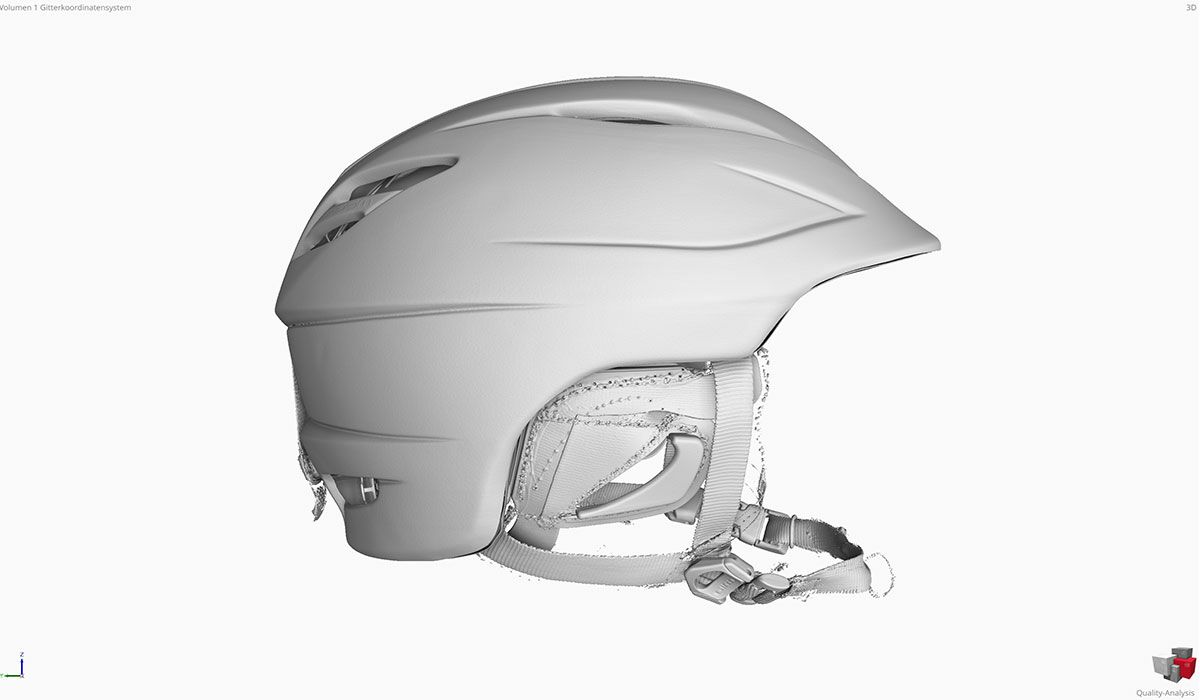
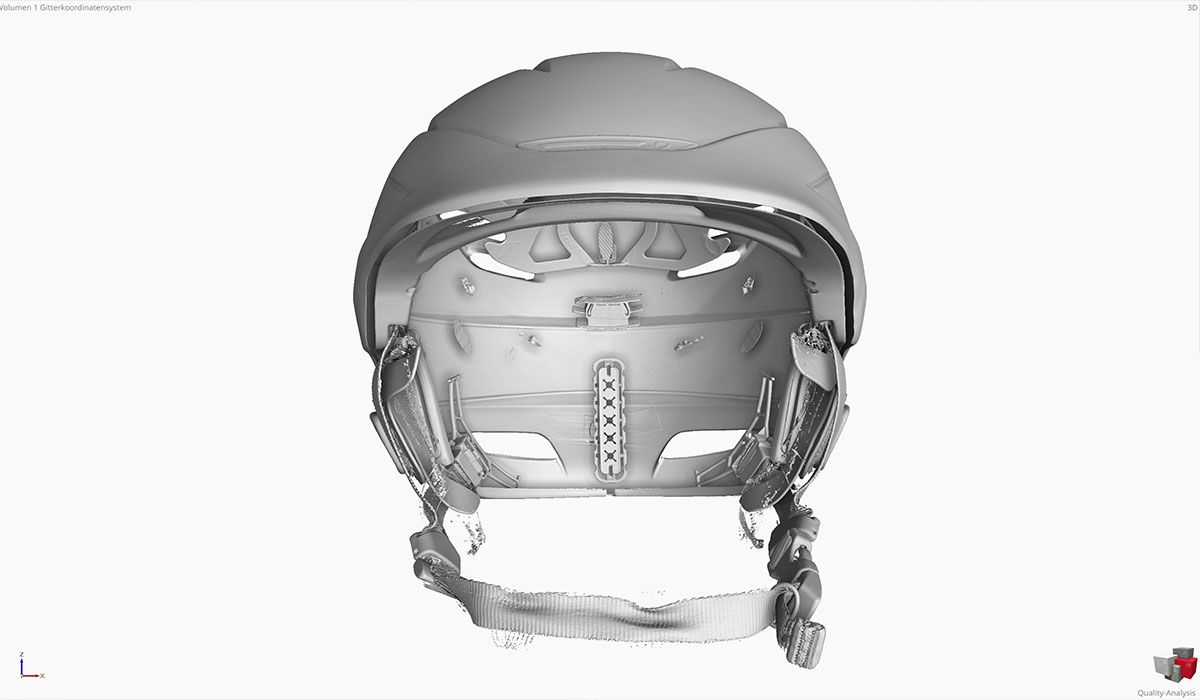
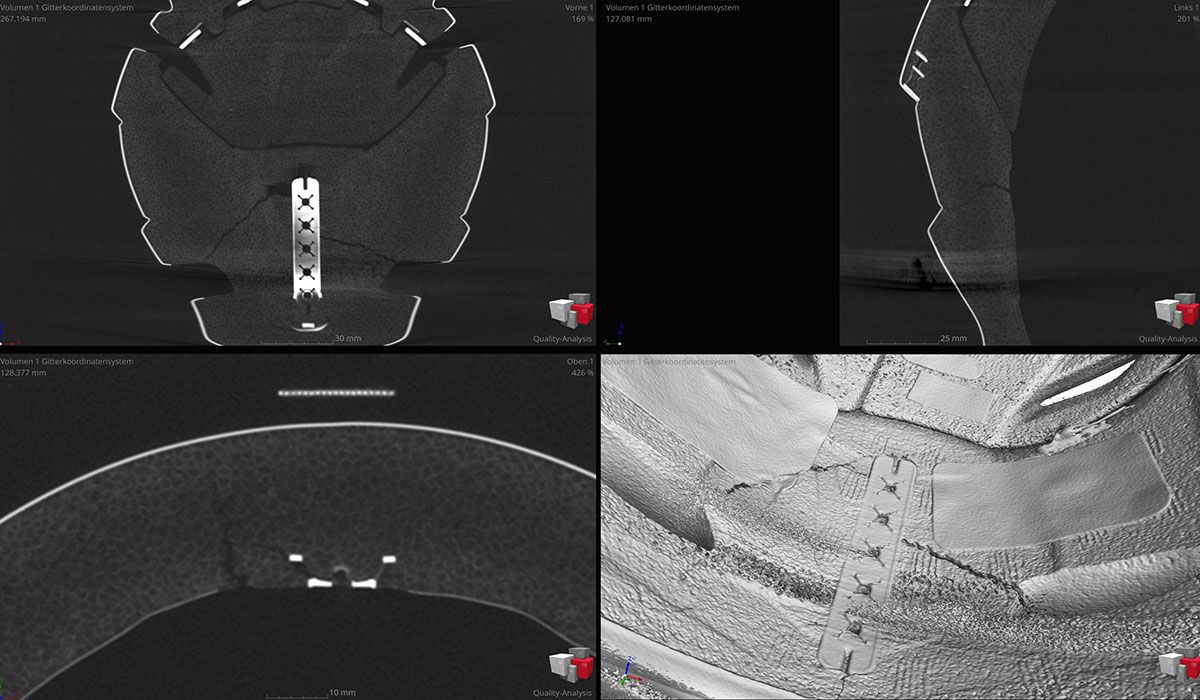
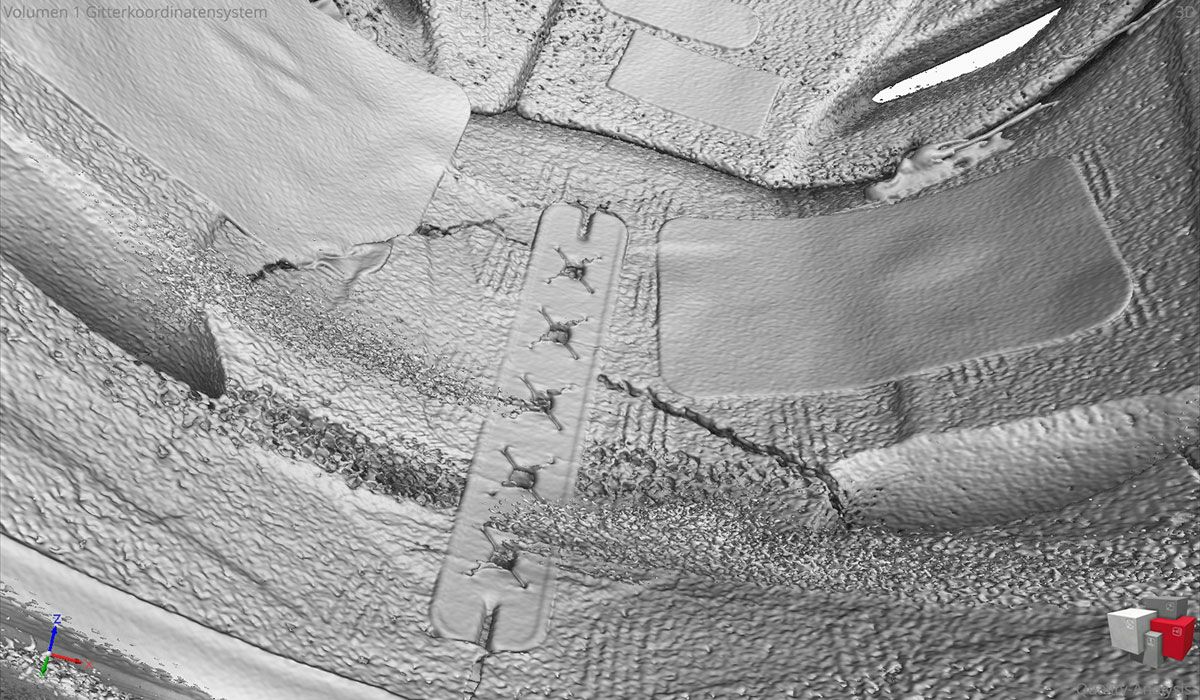
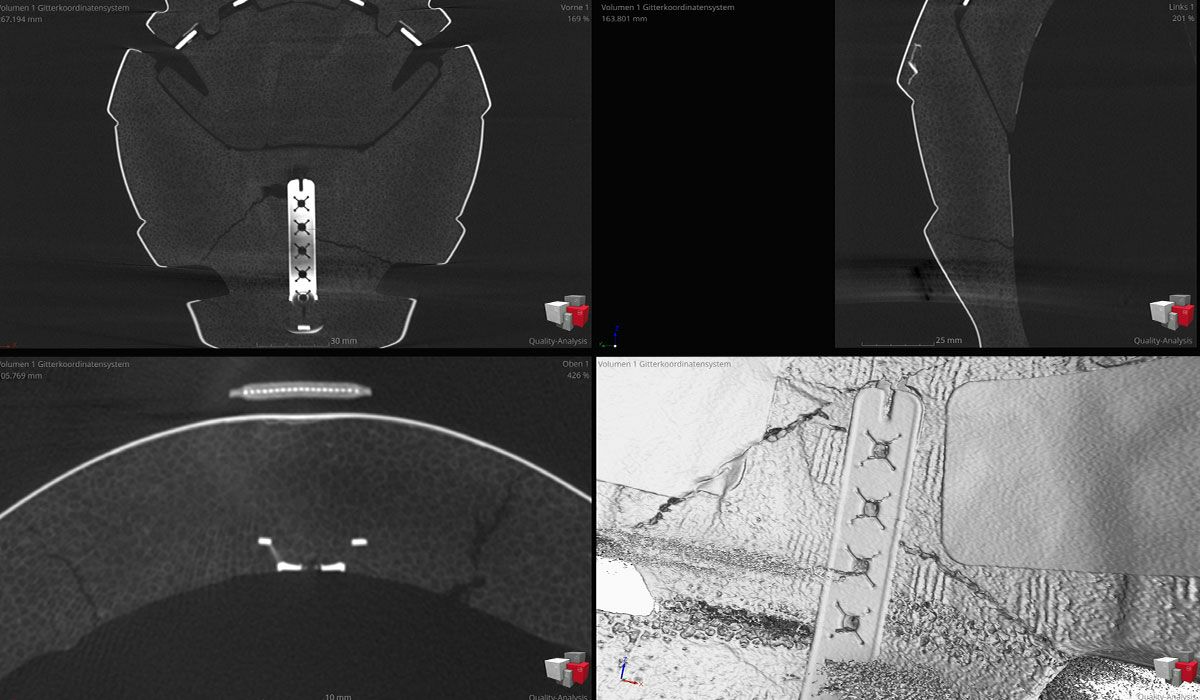
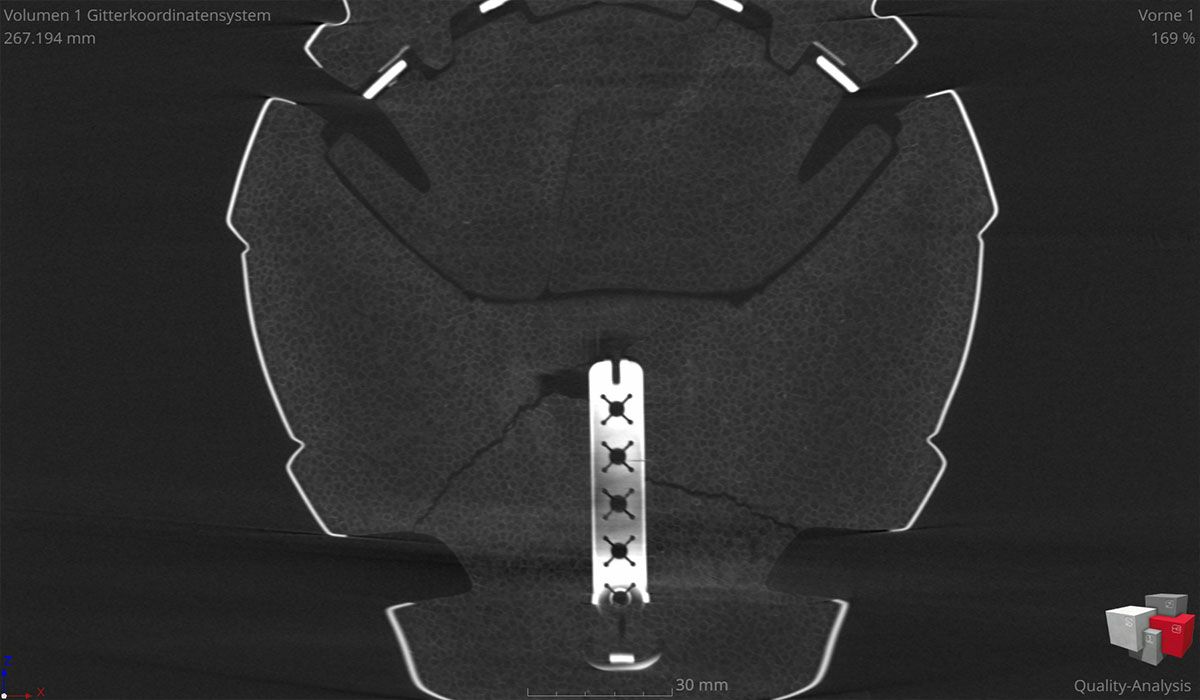
A ski helmet is designed to protect. But what if, after a violent fall, it appears undamaged on the outside but has already failed on the inside?
This was precisely the question that arose after an accident on the slopes. At first glance, a colleague’s helmet appeared intact. No visible cracks, no obvious damage. And yet, an uneasy feeling remained.
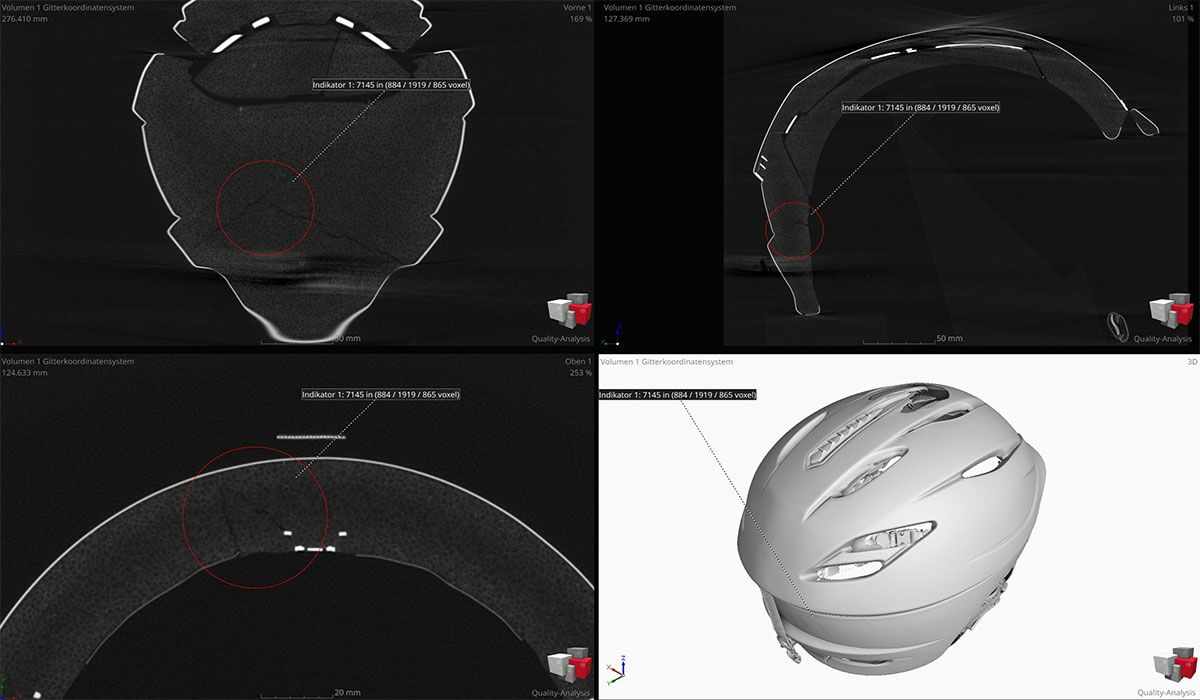
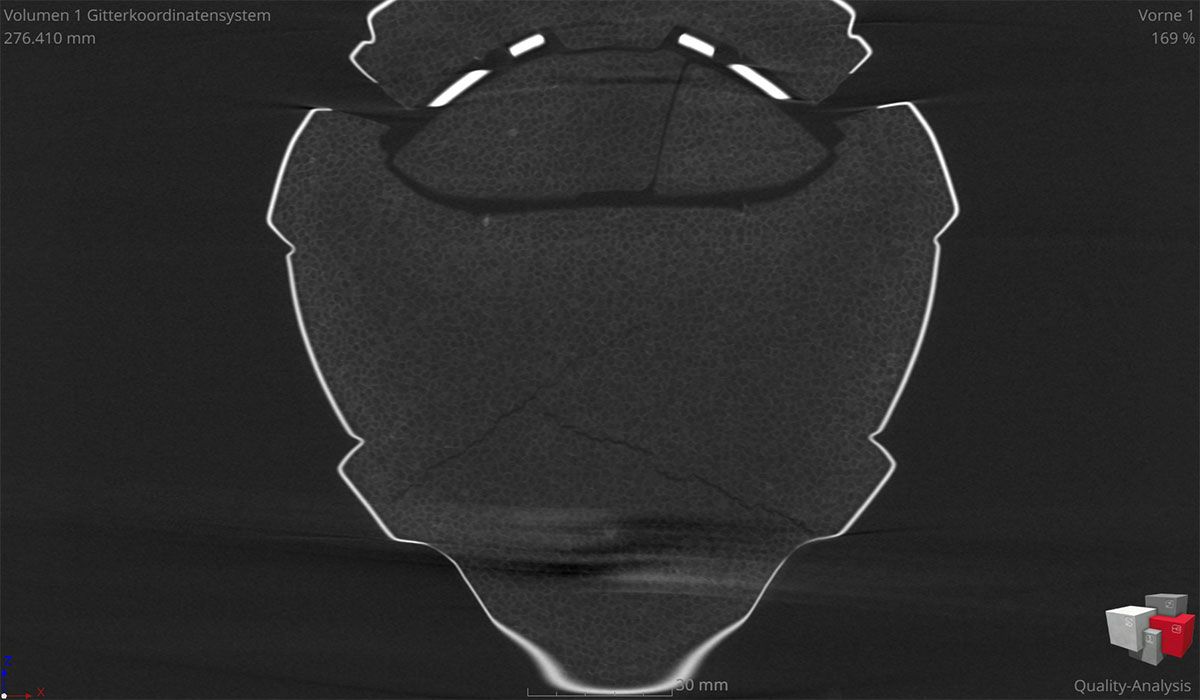
The subsequent examination using our 3D computed tomography (CT) provided clarity: Fine cracks were visible in the helmet’s inner shell that were not detectable from the outside—invisible weaknesses that could significantly impair the helmet’s protective effect in an emergency.
The good news: Our colleague was unharmed.
The clear conclusion: The helmet should never have been used again.
Cases like this impressively demonstrate the added value of modern testing methods such as computed tomography in quality assurance. At the same time, they show that the potential of these technologies is still underestimated.
Even when CT reaches its resolution limits, our analytical capabilities do not end there: by combining it with materialographic examinations, we enable a well-founded, interdisciplinary damage assessment. Because ultimately, it is not just about components, but about reliable safety and making the right decisions even when in doubt.