
Initial sampling
Detecting defects at an early stage and ensuring quality is of crucial importance for manufacturers. Before new products go into series production or vendor parts are integrated into an end-product, initial sampling sets the standard. In this way it is possible to avoid costly scrap, complex machine adjustments and time-consuming process corrections.
Table of contents
- What Is Initial Sampling?
- ISTR: initial sample test report
- Quick, precise initial sampling at Quality Analysis
- What is an initial sample test report in accordance with the VDA standard?
- How is initial sampling conducted?
- Which standards must be taken into account in the ISTR?
- Applications for initial sampling
- In summary: initial sampling

Contact us –
expert support is just a conversation away.
Using state-of-the-art analytical methods, we assist you with quality issues, damage claims, and development challenges – providing precise, well-founded, and solution-oriented support.

What is initial sampling?
Initial sampling is a key quality process during industrial production in which the first parts for a new or modified product and, if necessary, the entire production process (see statistical process control SPC) are thoroughly tested. Initial sampling can take place before release for series production or during the start-up of series production and is undertaken in accordance with the customer's specifications in terms of type and scope. The goal is to ensure that all specification requirements are met to ensure smooth, high-quality series production. This process protects against sub-standard production and ensures both product quality and process stability.
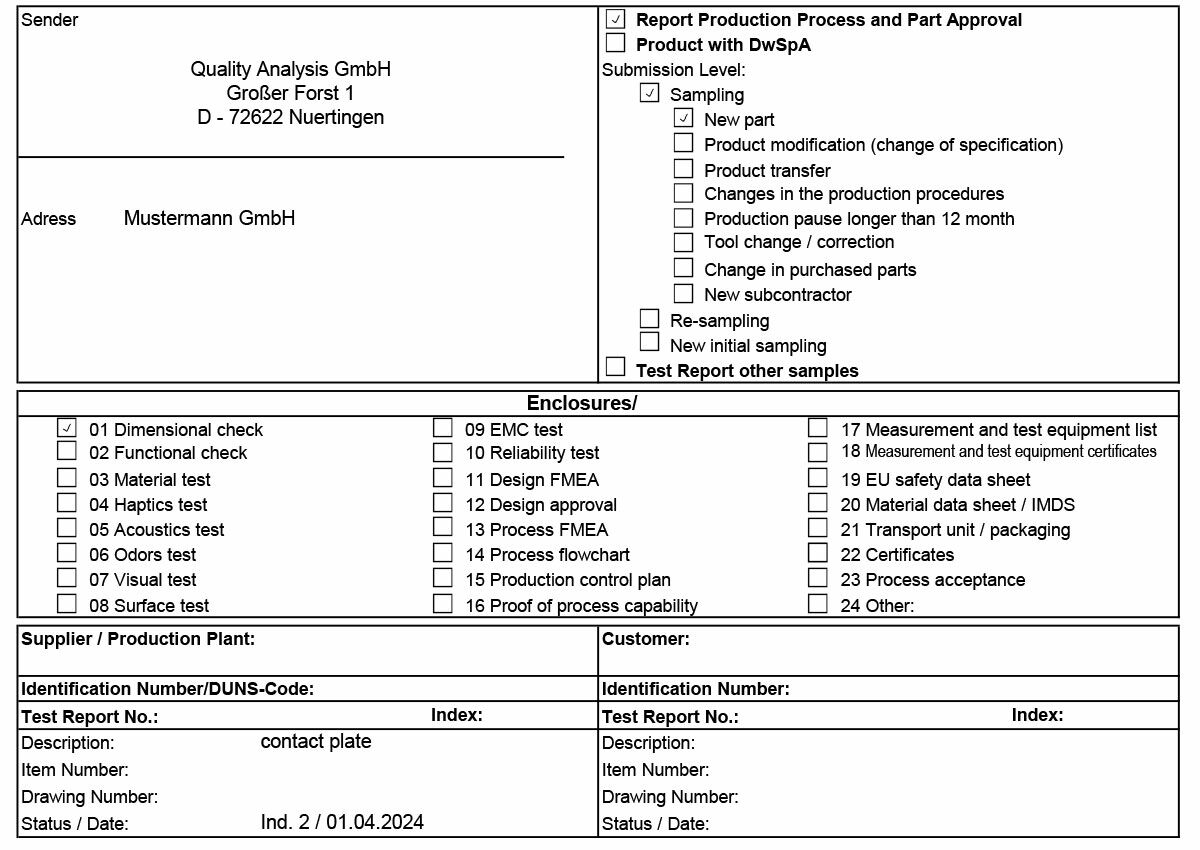
ISTR: initial sample test report
The initial sample test report (ISTR) summarises the results of the initial sampling in detail and contains all relevant test records related to the samples. This information includes, e.g., dimensional records, material certificates, functional tests and proof of process capability. The ISTR serves as official verification that the samples meet the agreed requirements. Series production can only start after approval by the customer.
Quick, precise initial sampling
at Quality Analysis
We provide you with quick, highly precise measurements that form the basis for your reliable initial sampling. As a DAkkS-accredited test laboratory, we guarantee you an initial sample test report of the highest quality that complies with all relevant standards.
- Tactile and optical metrology for the geometric dimensional inspection of initial samples, e.g. determination of geometric dimensioning and tolerancing (GD&T) or nominal-actual comparisons
- Evaluation of 3D data using the software ZEISS Inspect, formerly GOM-Inspect
- Chemical analyses, e.g. using SEM-EDX
- Materialographic analyses such as hardness testing or tensile, compressive and bending testing
- Residual dirt analysis in accordance with VDA 19/19.1 & ISO 16232
- Preparation of initial sample test reports in accordance with drawing requirements (VDA/PPAP)
What is an initial sample test report in accordance with the VDA standard?
An initial sample test report in accordance with the VDA standard (VDA - German Association of the Automotive Industry) is a standardised document that ensures the quality and conformity of components in the automotive industry. Based on the requirements of VDA Volume 2, this report comprehensively documents the test method, including the measuring instruments used, methods and the qualifications of the test personnel. The PPF method (production process and product release) follows the specific guidelines issued by the VDA and ensures that both the component and the production process meet the required quality standards. The ISTR provides a concise summary of the test results and assesses how well the component complies with the VDA standards.
Initial sampling in accordance with PPAP
Initial sampling in accordance with PPAP (production part approval process) is an essential part of quality assurance in the automotive industry developed by the AIAG (Automotive Industry Action Group) in the USA. While both PPAP and VDA pursue similar objectives - specifically ensuring the quality and conformity of components - they differ primarily in their origin, the number of documents required, the degree of flexibility and their regional distribution. PPAP initial sampling is mainly used by international and American automotive manufacturers.
What is tested during initial sampling?
The scope of the initial sample testing is determined in advance between the manufacturer and the testing service provider and is precisely tailored to the product in question. All relevant properties are tested: from optical features such as scratches, through metric data such as dimensions and cleanliness requirements, to mechanical characteristics, which can be determined, for example, by means of tensile, compressive or bending tests.
How is an initial sampling conducted?
Optical metrology
Optical metrology uses technologies such as 3D scanners to create precise images of components without contact. These methods are particularly effective during the rapid acquisition of geometry and surface characteristics and are ideal for identifying surface defects and complex shapes. The data collected enable precise checking of dimensional accuracy and design as well as the rapid detection of defects.

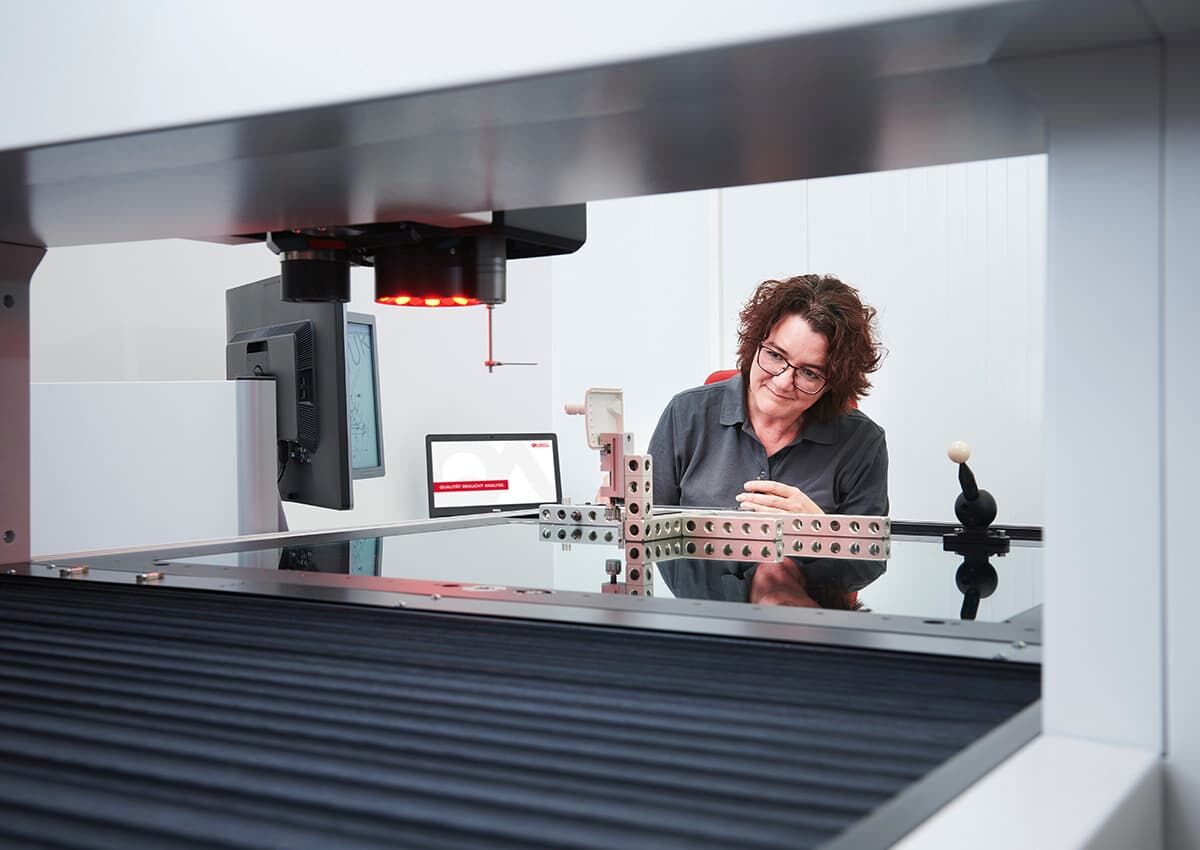
Tactile metrology
If the issue is precision in the micrometre range, tactile measurement methods come into play, these methods offer superior accuracy due to the use of coordinate measuring machines (CMMs). These machines measure with high precision and provide detailed data for a thorough and accurate evaluation of the component. Even though these methods require more time, they guarantee the necessary precision for a comprehensive analysis.
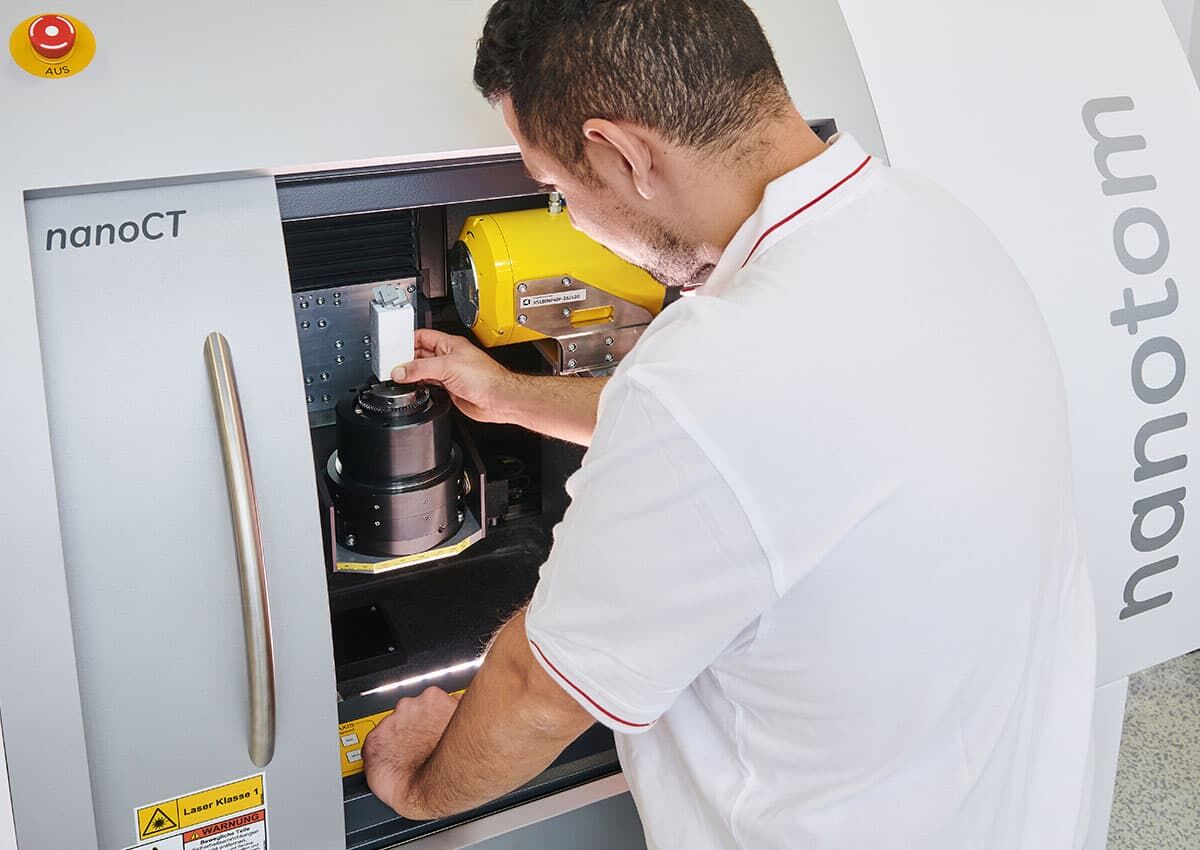
Computed tomography
Industrial computed tomography (ICT) permits the non-destructive and highly precise analysis of complex components. The three-dimensional acquisition of internal and external structures means that even hidden defects or dimensional deviations can be detected. This method provides a comprehensive set of data for initial sampling, enabling a detailed evaluation without mechanical action on the object inspected.
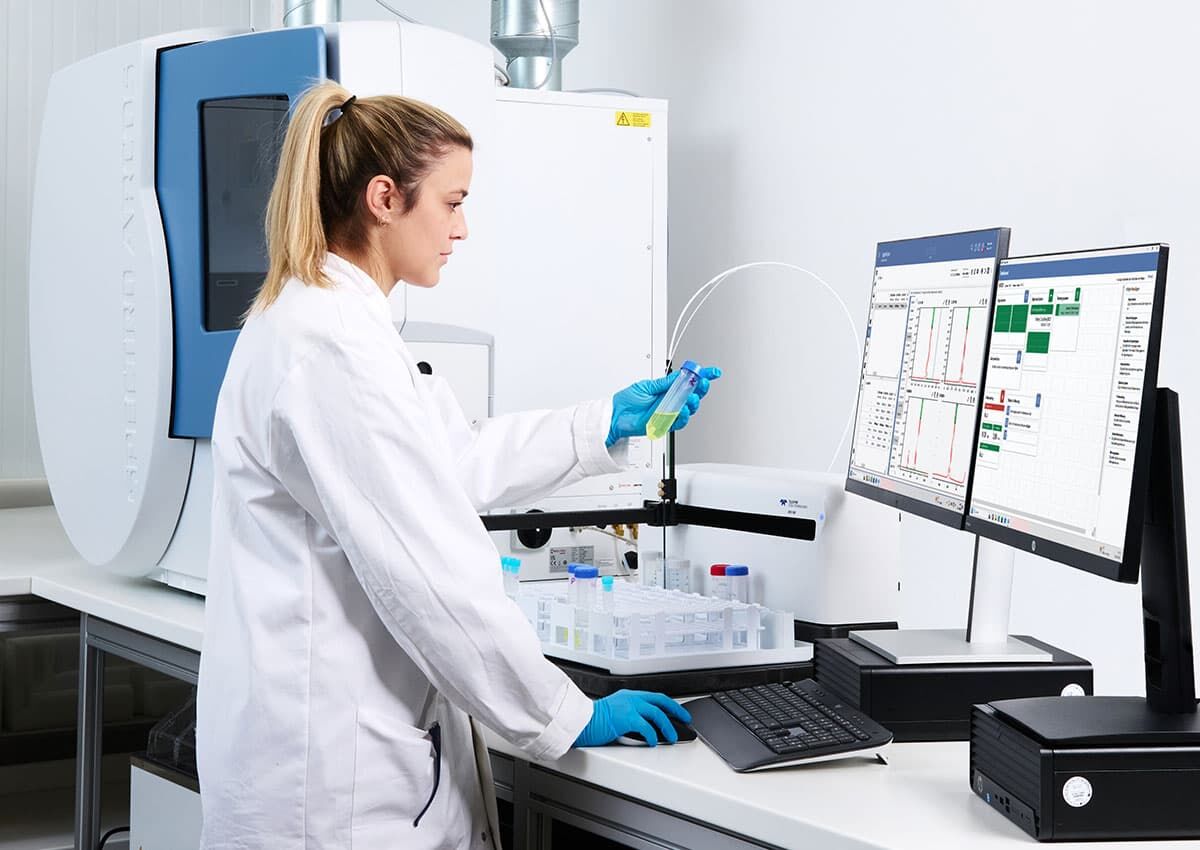
Chemical analytics
Chemical analysis can form part of initial sampling, as it ensures that the material composition meets the stipulated specifications. Methods such as energy-dispersive X-ray spectroscopy (EDX), optical emission spectroscopy (OES) or mass spectrometry allow precise statements to be made about the distribution of elements in the material. These analyses are important for checking alloy constituents, identifying adverse impurities and detecting material deviations at an early stage.
Materialography
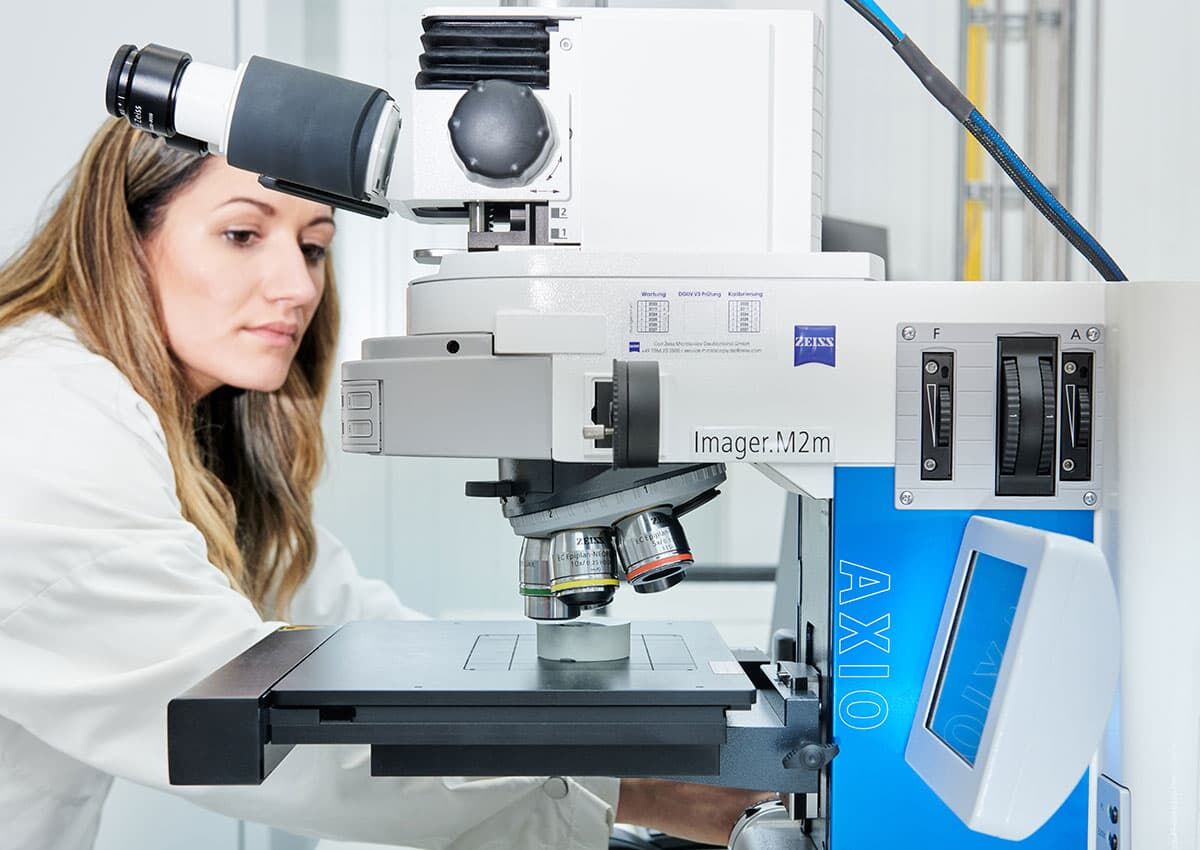
For initial sampling, it is crucial that materials meet the required specifications. Materialography enables a comprehensive evaluation of material characteristics by visualizing microstructures, particle sizes, phase compositions and possible impurities. In this way production processes can be optimized and defects detected at an early stage.
Which standards must be taken into account in the ISTR?
There are various standards that must be met to ensure a consistent, standardized procedure for the preparation of initial sample test reports.
As an international standard for quality management systems, ISO 9001 offers comprehensive guidelines that are also applicable to initial sampling. IATF 16949 is a sector-specific standard and specifies the quality requirements for the Automotive industry in accordance with PPAP and PPF. In addition to IATF 16949, VDA Volume 2 sets out specific requirements for the sampling of vehicle components within the German automotive industry. DIN EN 9102 is a relevant standard for initial sample testing in the Aerospace industry.
Applications for initial sampling

Automotive
Before vehicle components go into series production, they are thoroughly tested to confirm their conformity and detect potential defects at an early stage. This testing prevents production problems and ensures that vehicles are reliable and safe on the road.

Aerospace Industry
Every component in the aerospace industry must withstand extreme conditions and comply with strict regulations. Thorough testing identifies potential risks at an early stage, which is crucial for the safety and reliability of aircraft and spacecraft.
Medical Technology
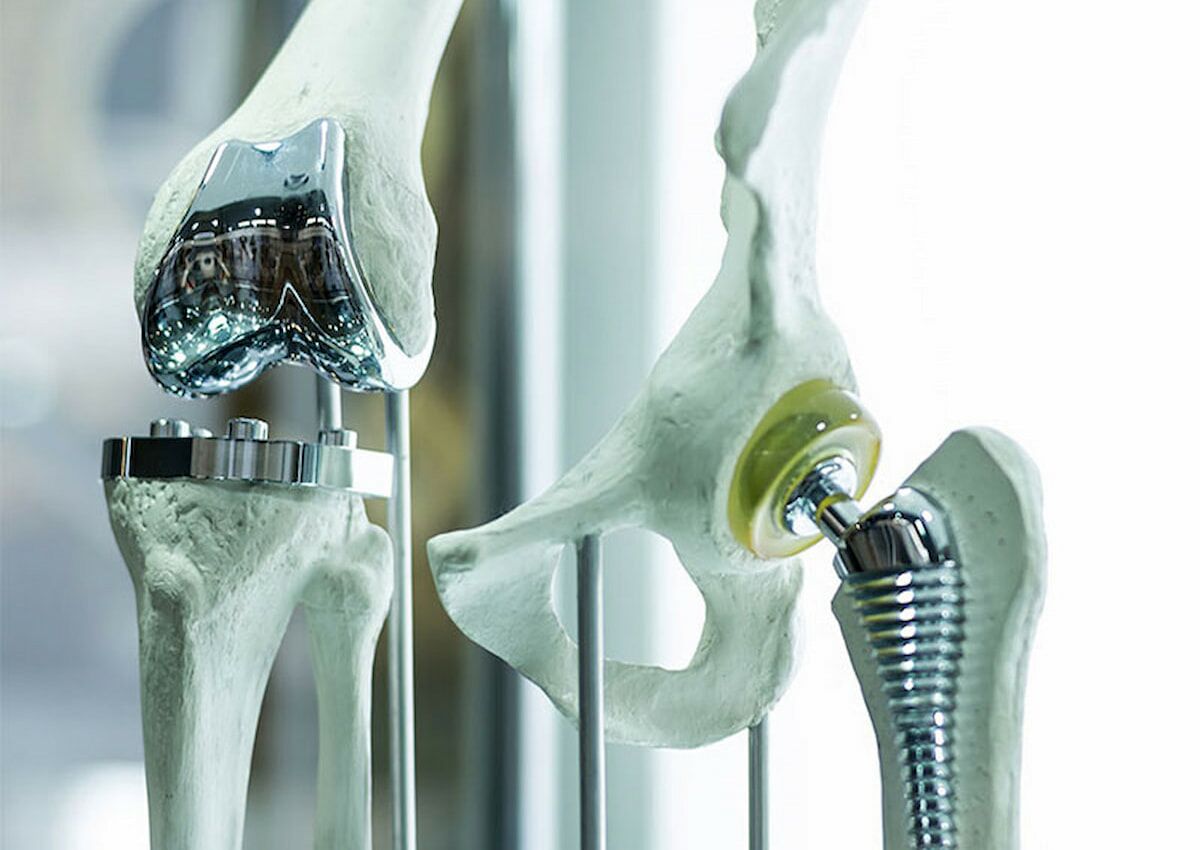
For medical devices, initial sampling is of central importance to ensure that all products comply with strict regulatory requirements. In particular, devices that have a direct impact on patient care must function reliably in every respect.

Plastics Industry
By precisely checking the initial samples for dimensional accuracy, surface characteristics and material characteristics, possible defects are detected at an early stage and can be rectified. This checking ensures that the plastic products meet the required specifications and work reliably in series production.
Tool and Machine Manufacturing
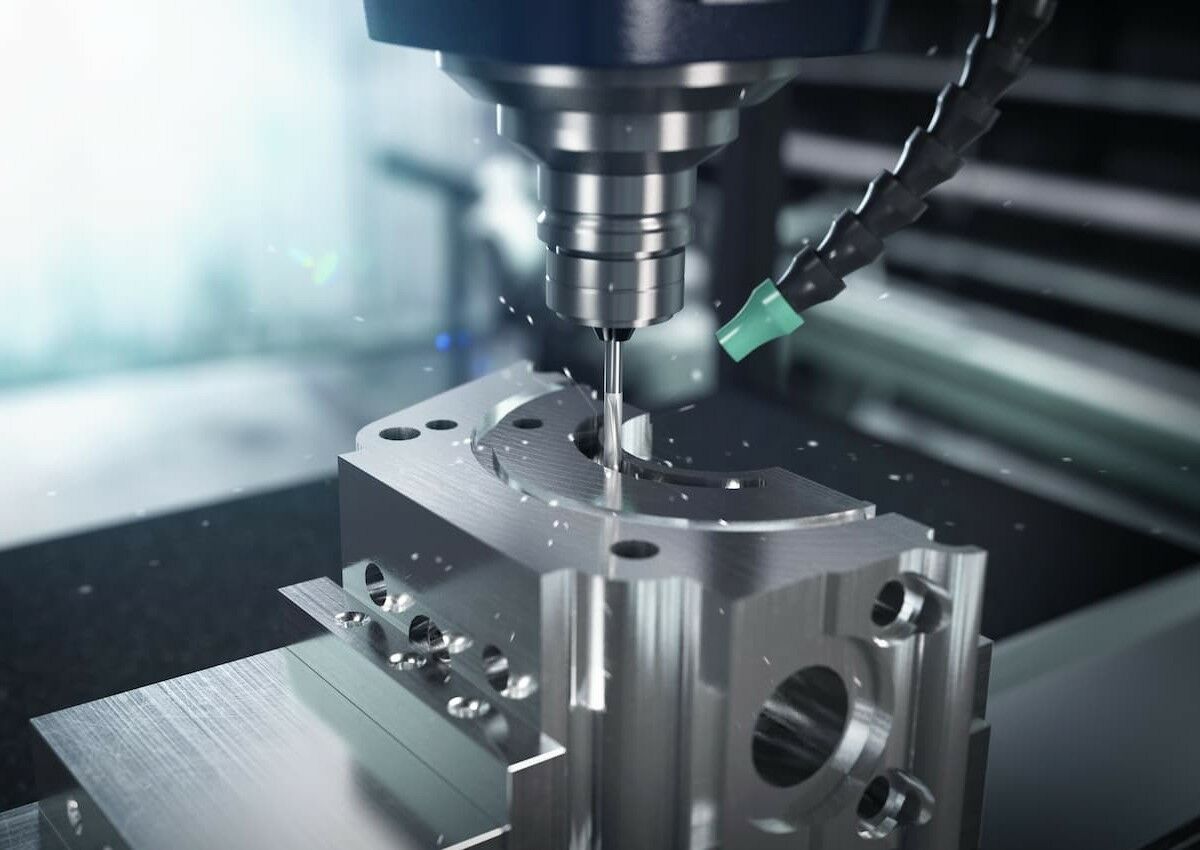
Dimensional accuracy, material characteristics and the performance of new tools and machine components are checked by means of detailed testing. This process minimizes the risk of production defects and optimizes machine performance, resulting in greater efficiency and reliability in production.
In summary: initial sampling
Initial sampling is a crucial process in manufacturing where the initial parts for a new product are thoroughly tested to ensure that all quality and production standards are met. The results of this testing are documented in detail in the so-called initial sample test report (ISTR).