
Cleanliness verification
Cleanliness verification is a method for evaluating the cleanliness of surfaces, components and products to ensure their correct function and quality. This makes it an indispensable element in industrial manufacturing.
Table of contents
- Cleanliness verification in industrial production
- Fast, reliable cleanliness verification at Quality Analysis
- What types of contamination are analyzed during cleanliness verification?
- The process of cleanliness verification
- Evaluation of the results of the inspection
- Applications for cleanliness verification
- Cleanliness verification in summary

Contact us –
expert support is just a conversation away.
Using state-of-the-art analytical methods, we assist you with quality issues, damage claims, and development challenges – providing precise, well-founded, and solution-oriented support.

Cleanliness Verification in Industrial Production
Cleanliness verification is a central element of industrial manufacturing. It ensures that components and products are free of contamination such as particles, fibres and chemical-filmic and ionic residues. Particularly in sensitive areas such as automotive engineering, electronics, aerospace engineering and medical technology, maximum cleanliness is crucial, as even the smallest residues can significantly impair the functionality, safety and service life of products.
Contamination has a negative impact on mechanical and electrical characteristics: it results in increased wear, premature component failure, corrosion and malfunctions. The adhesion of coatings and adhesives can also suffer considerably. In critical applications, such defects can even jeopardise the safety of end users – for example due to blocked valves in hydraulic systems or short circuits in electronics.
The goal of cleanliness verification is therefore not just compliance with quality standards and functional requirements. It helps to avoid production defects, reduce repair and warranty costs, as well as sustainably increase product reliability and service life.
Fast, reliable cleanliness verification
at Quality Analysis
As an accredited test laboratory, we analyse the cleanliness of functionally relevant components, assemblies, fluids or systems. Whether metallic or non-metallic particles, fibres or filmic and ionic contamination on functional surfaces – we have all the necessary extraction techniques and analytical methods at our disposal.
- Acquisition and extraction of particulate contamination as well as filmic and ionic residues using qualitative and quantitative methods
- Correlative analysis of particles and residues using light microscopy, scanning electron microscopy (SEM), RAMAN and FTIR spectroscopy as well as X-ray fluorescence analysis (XRF)
- Cleanliness verification for very small to large components or complete assemblies
- Inspection as per VDA 19/19.1, ISO 16232 as well as customer-specific standards and specifications
- Cleanliness verification in cleanrooms in accordance with DIN EN ISO 14644
- Advice on improving cleanliness processes in businesses
What types of contamination are analyzed during cleanliness verification?
Cleanliness verification involves analysing various forms of contamination that can come into contact with components during production, transport or storage. These residues can be divided into four main categories: particulate, filmic, chemical and ionic contamination. Each of these categories can affect the functionality and reliability of components, which is why their precise identification and quantification is essential.
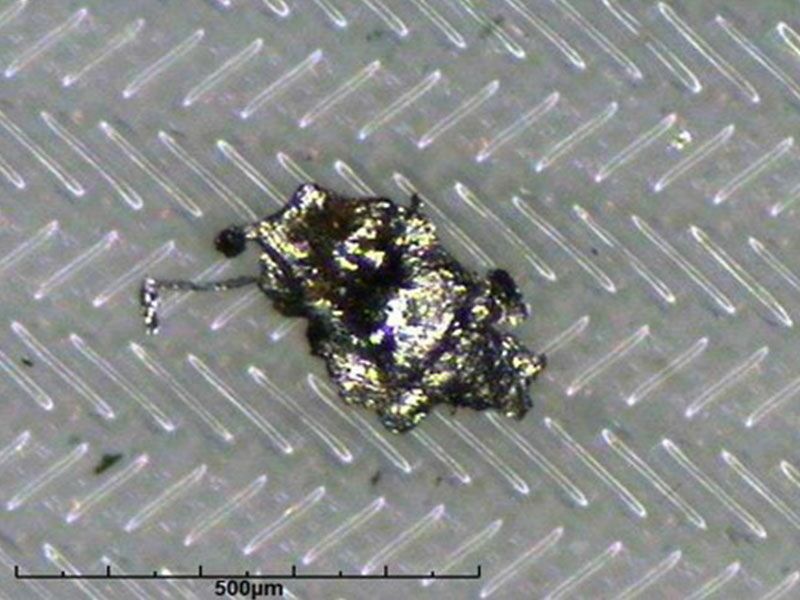
Particulate contamination
(solid particles)
Particulate contamination includes solid particles such as metal shavings, dust or abrasion particles. These particles are caused by manufacturing processes, transport or improper handling and can have a negative impact on the mechanical function, electrical conductivity or sealing of components.
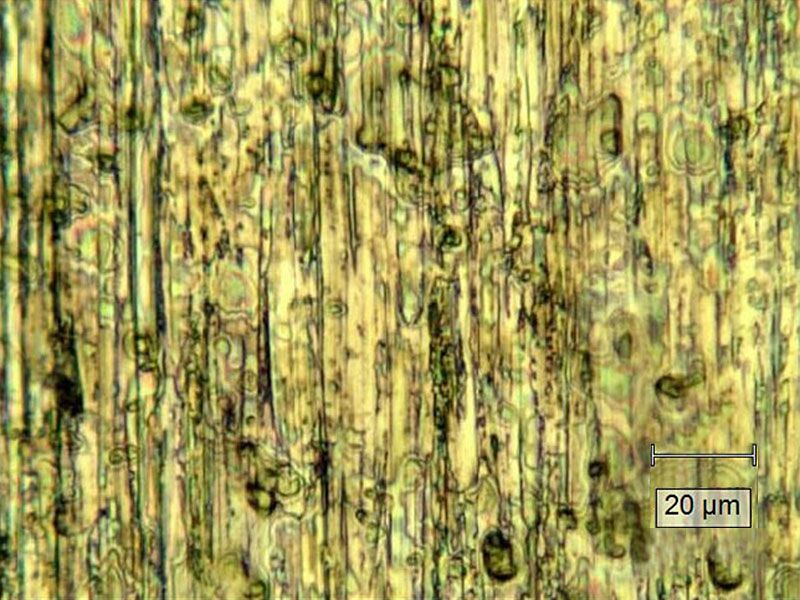
Filmic contamination
(liquid or adhering residues)
Filmic contamination includes residues of liquids such as lubricants, oils or coolants. This residue can contaminate the components during production or assembly. Filmic contamination can reduce the adhesion of coatings or adhesives and lead to problems with electrical insulation.
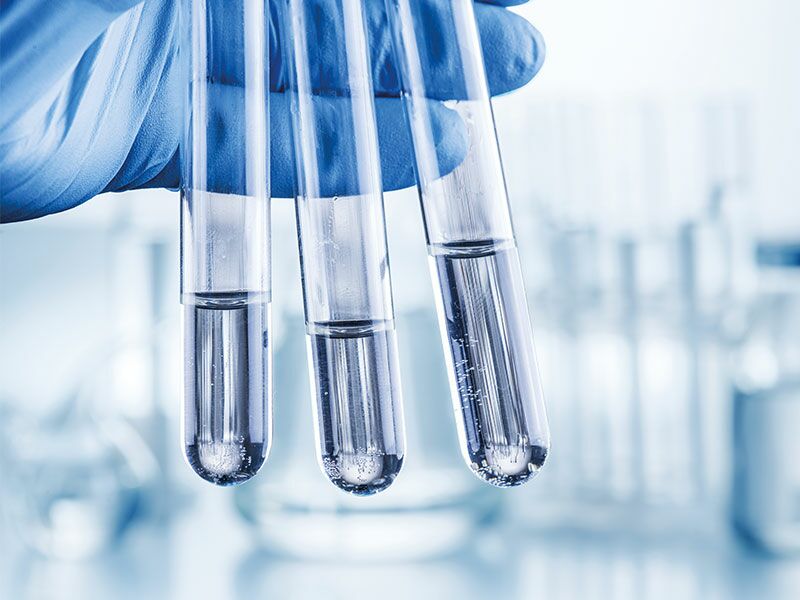
Chemical contamination
(reactive residues)
Chemical contamination is caused by reactions during the manufacturing process or contact with aggressive substances. These reactive residues can favour corrosion or have a negative impact on the material characteristics of components, shortening their service life or causing malfunctions.
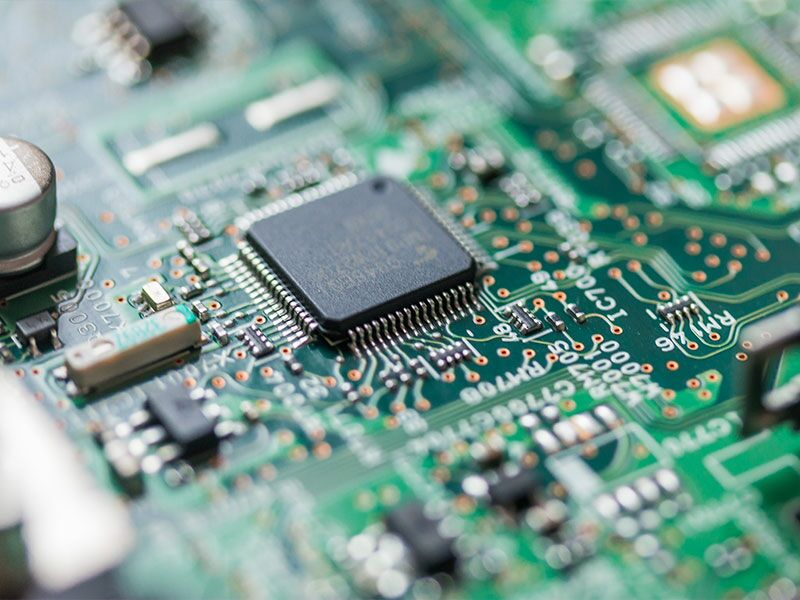
Ionic contamination
(electrically conductive residues)
Ionic contamination consists of electrically charged particles that can originate from various sources, such as cleaning agents, electrochemical processes or environmental influences. These residues are particularly problematic in electronic components, as they can cause leakage currents, corrosion or electrical malfunctions.
The process of cleanliness verification
Cleanliness verification is a precise and reproducible process that ensures components and systems meet the high requirements for technical cleanliness verification. It comprises several specific steps for the extraction, separation and assessment of contamination. Careful planning and implementation are essential to ensure reliable measurement results. On this basis, contamination can be identified and quantified and then measures for process optimisation specified.
The main phases of particle extraction and the inspection process are described below: sampling, filtration and analysis.
Sampling
Sampling is the first, crucial step, because it ensures that the sample taken is representative of the entire component or system. The choice of method depends on the geometry, material and type of contamination to be expected.
Rinsing
With the rinsing method, liquid is passed over the surface to remove loose particles. This method is gentle and ideal for large or delicate components.
Spraying
The spraying method is very suitable for cavities, bores and solid residues. Liquid is applied to the component in a targeted manner and under pressure.
Ultrasound
The ultrasonic method is used for complex geometries in particular. The component is immersed in a liquid and subjected to ultrasonic vibration to loosen the particles.
Agitating
For the agitating method, the object inspected is filled with liquid and moved mechanically in a shaker. The method is used for internal areas that are difficult to access.
Suction
During air extraction, particles are extracted using negative pressure. This dry process is suitable for delicate parts such as filters or electronics and is usually undertaken in protected spaces.
Filtration
Sampling is followed by filtration, a crucial step in the separation and acquisition of contamination. During liquid extraction, the liquid containing the dislodged particles and residues is passed through a filter. This filter retains the particles so that they can be analysed and quantified subsequently. The separated particles are also collected on a special filter during suction extraction and are then available for further analyses.
Analysis
The analytical methods for cleanliness verification are diverse and designed to identify and quantify different types of contamination. The choice of the appropriate method depends on the type of contamination – particulate, filmic, chemical or ionic – as well as the specific requirements in the related industry. The most important methods for cleanliness inspection are described in detail below.
Gravimetric analysis
With this method, the extracted particles are weighed. Their mass is very suitable for an initial, rough quantification of the contamination and provides a quick assessment of the particle load.
Light microscopy
Using light microscopy, the particles deposited on filter membranes are classified according to size, shape and optical characteristics – shiny metallic, shiny non-metallic or fibrous. This method permits quick visual differentiation, but no material analysis.
Scanning electron microscopy (SEM/EDX)
SEM provides high-resolution images of particle structures. If combined with energy-dispersive X-ray spectroscopy (EDX), the chemical composition of the particles can be determined. This information makes possible a detailed analysis of the material and origin of individual residues.
Spectroscopic methods
RAMAN spectroscopy is particularly suitable for identifying organic contamination such as polymers, paints or lubricants, because it analyses the molecular structure of the contamination. FTIR spectroscopy is used to analyse filmic contamination and detects both organic and inorganic substances based on their chemical composition.
Ion chromatography (IC) – verification of anions and cations
Ion chromatography can be used to determine ionic residues such as anions (e.g. chlorides, sulphates and nitrates) and cations (e.g. sodium and potassium) both qualitatively and quantitatively. This information is particularly important if residues can lead to corrosion or electrical problems, for example in electronics or medical technology.
Combination of verification methods – correlative particle analysis
For the precise and comprehensive characterisation of contamination, Quality Analysis relies on correlative particle analysis. Various methods such as light microscopy, SEM-EDX, Raman and FTIR spectroscopy, as well as ion chromatography are combined in a targeted manner. This interdisciplinary approach permits the holistic evaluation of particles in relation to physical characteristics (e. g. size, shape, structure) and chemical composition. In this way it is possible to assess reliably not only the type of contamination, but also its origin and potential effect.

Evaluation of the results of the inspection
The final phase of cleanliness verification is the evaluation and interpretation of the analysis results. Here, the data obtained are compared with the stipulated cleanliness specifications and standards, which are specified differently depending on the industry, component or system. Among other tasks, the results of the evaluation are used:
- As the basis for decisions on the approval or subsequent cleaning of components in accordance with cleanliness requirements
- For quality control and process monitoring to meet cleanliness targets over the long term
- To identify weak points in the cleaning process
- To derive targeted optimization measures
- To document technical cleanliness verification for customers or statutory requirements
Applications for cleanliness verification

Aerospace
In aerospace, technical cleanliness verification is essential for ensuring quality and reliability. Cleanliness verifications help to identify contamination that could impair the performance and service life of safety-critical systems. This task is particularly important where the smallest particles have serious consequences, for example in high-precision assemblies such as engines or control units.

Automotive
In the automotive industry, the cleanliness of gearbox and engine components such as shafts and gearwheels is of the utmost importance. These components must be able to withstand extreme loads and must not have any contamination that could impair their function. Residual dirt analyses are therefore often undertaken routinely to ensure that all parts meet the strict cleanliness requirements.
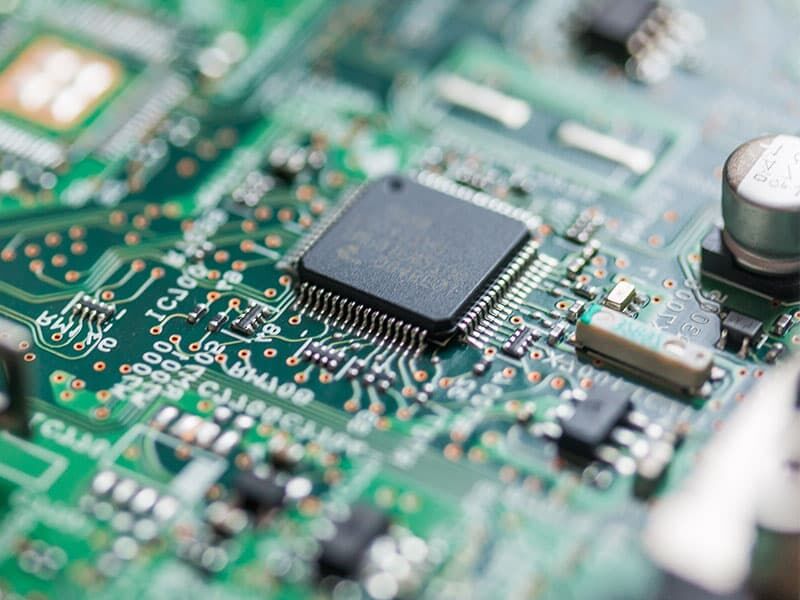
Electronics manufacturing
In electronics manufacturing, both organic and inorganic particles can lead to malfunctions, short circuits or premature failure – especially in sensitive assemblies such as sensors, printed circuit boards or connectors. Regular cleanliness verifications and residual dirt analyses help to identify critical contamination and specifically increase the reliability and service life of electronic components.
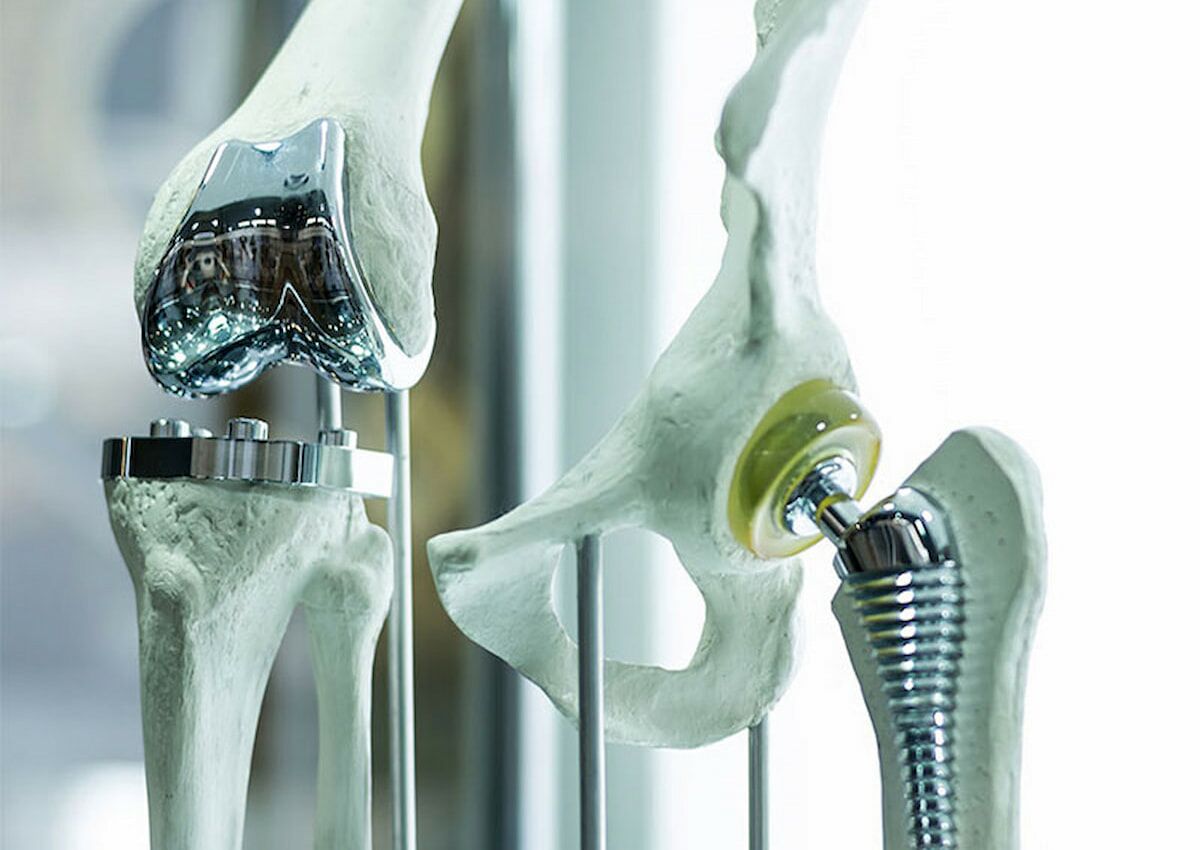
Medicine
While microbiological hygiene has long been at the forefront of medical technology, particulate cleanliness is becoming increasingly important. Today, cleanliness verifications are indispensable for identifying particulate contamination on implants, instruments or stents and ensuring product safety.
Cleanliness verification in summary
Cleanliness verification is a central element of quality assurance in modern manufacturing. It is used to determine the technical cleanliness of components, assemblies and products and makes it possible to evaluate whether specified requirements are met. By using specialised inspection methods, contamination can be detected, production defects avoided and requirements from customers or in standards reliably checked.