
3D coordinate metrology
3D coordinate metrology is used wherever components are to be measured precisely and only very small tolerances are allowed. If the size or shape of a component is out of tolerance, there may be problems during assembly, malfunctions or even failures during operation.
Table of contents
- What is 3D coordinate metrology?
- 3D coordinate metrology at Quality Analysis
- Methods for 3D coordinate metrology
- How does 3D coordinate metrology work?
- Applications for 3D coordinate metrology
- In which sectors is 3D coordinate metrology used?
- Limits of 3D coordinate metrology
- In summary: 3D coordinate metrology

Contact us –
expert support is just a conversation away.
Using state-of-the-art analytical methods, we assist you with quality issues, damage claims, and development challenges – providing precise, well-founded, and solution-oriented support.

What is 3D coordinate metrology?
3D coordinate metrology is a highly precise method for the three-dimensional measurement of prototypes, initial samples and series production components. It is used to check standard geometries, freeform surfaces as well as geometric tolerances (GD&T). Various component parameters, such as distances, diameters, angles, shape and position, as well as contours, can be acquired precisely. The technology permits the precise determination of the X, Y and Z coordinates of specific points on the object, typically with the aid of coordinate measuring machines, computer tomographs and optical metrology using 3D scanners. This precise measurement makes it possible to detect deviations at an early stage and ensures that all parts meet the stipulated specifications.
3D coordinate metrology
at Quality Analysis
- Tactile metrology for pinpoint measurements with the highest level of detail
- Optical metrology for determining 3D data on surfaces; also suitable for mobile use
- Industrial computed tomography for the acquisition of internal structures; resolution in the µm range
- Quick and precise analysis of 3D data using the software Mitutoyo Cosmos, ZEISS Inspect (formerly GOM Inspect), ZEISS Calypso or VGStudio Max
- Accredited method in accordance with DIN EN ISO/IEC 17025
- Accredited measuring rooms with various climate zones and ESD protection zones
Methods for 3D coordinate metrology
In 3D coordinate metrology, a distinction is made between tactile metrology, optical metrology and computed tomography.
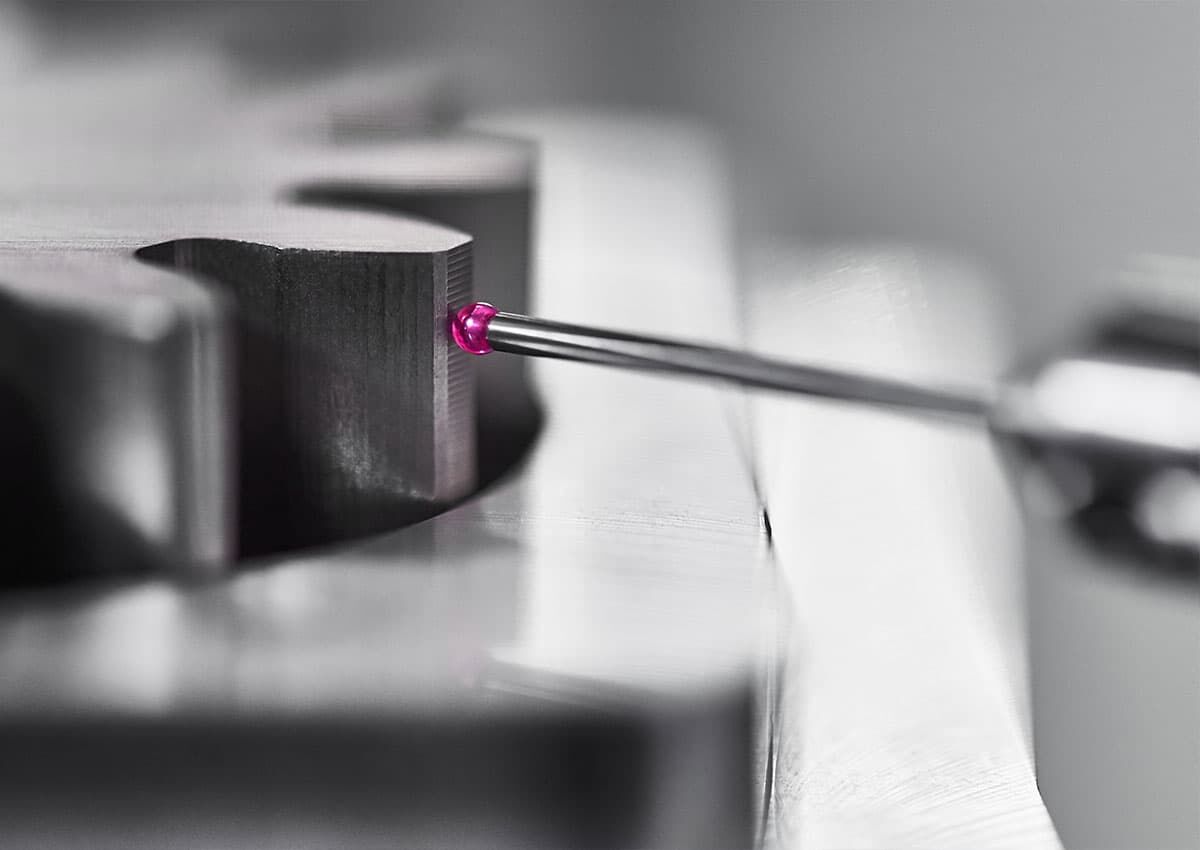
Tactile measurement
The accuracy of tactile measurement using a 3D coordinate measuring machine is impressive. Here, the component is scanned point by point using a stylus tip. The points are used to evaluate the shape and position of the component, including the determination of position, surface shape and other geometric characteristics. Tactile measurement enables maximum accuracy in the thousandth of a millimetre range. This accuracy makes it ideal for inspecting workpieces where very tight tolerances are specified.
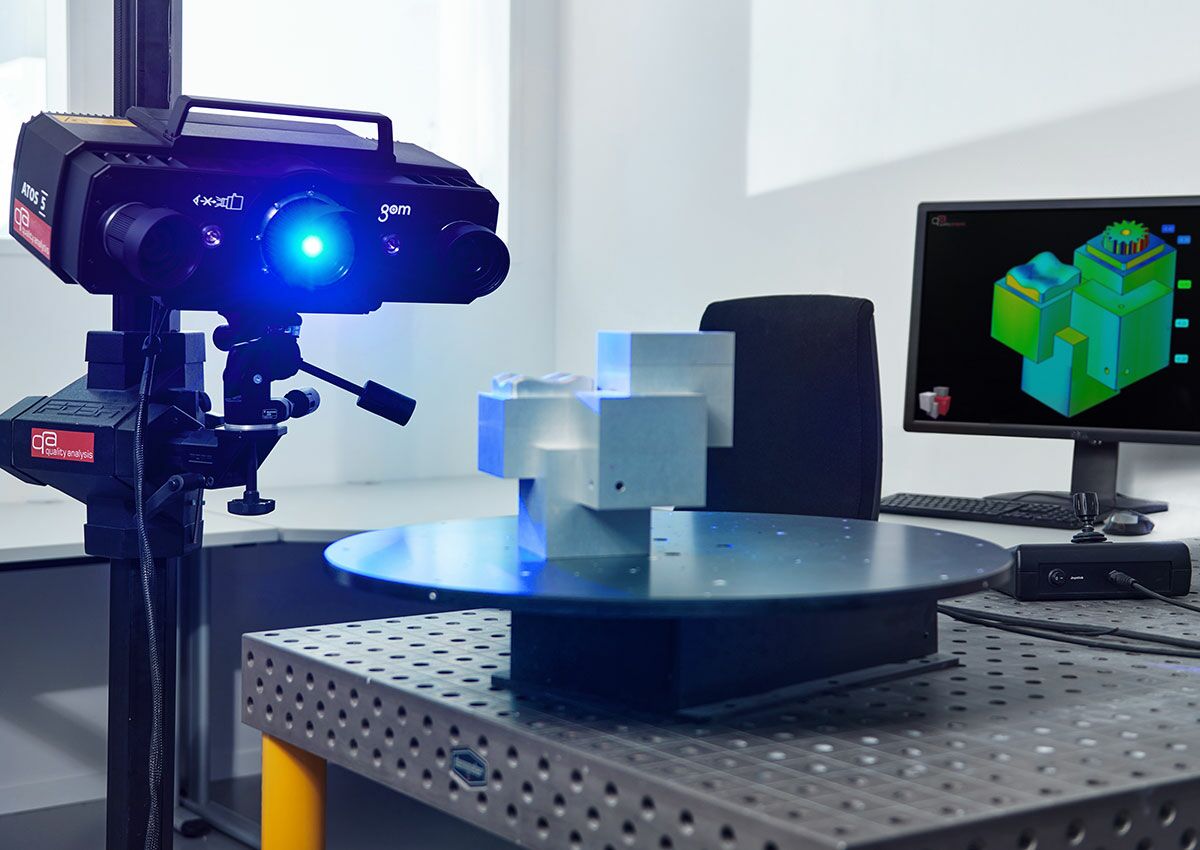
Optical measurement
In contrast to the tactile method, optical metrology works without contact using 3D scanning. Here, stereo camera systems with two cameras and a projector are used to acquire the shape and dimensions of an object. Optical measuring systems are particularly suitable for complex geometries and sensitive materials, as they do not physically affect the component during the measurement. However, their accuracy does not come close to that of tactile measurements.
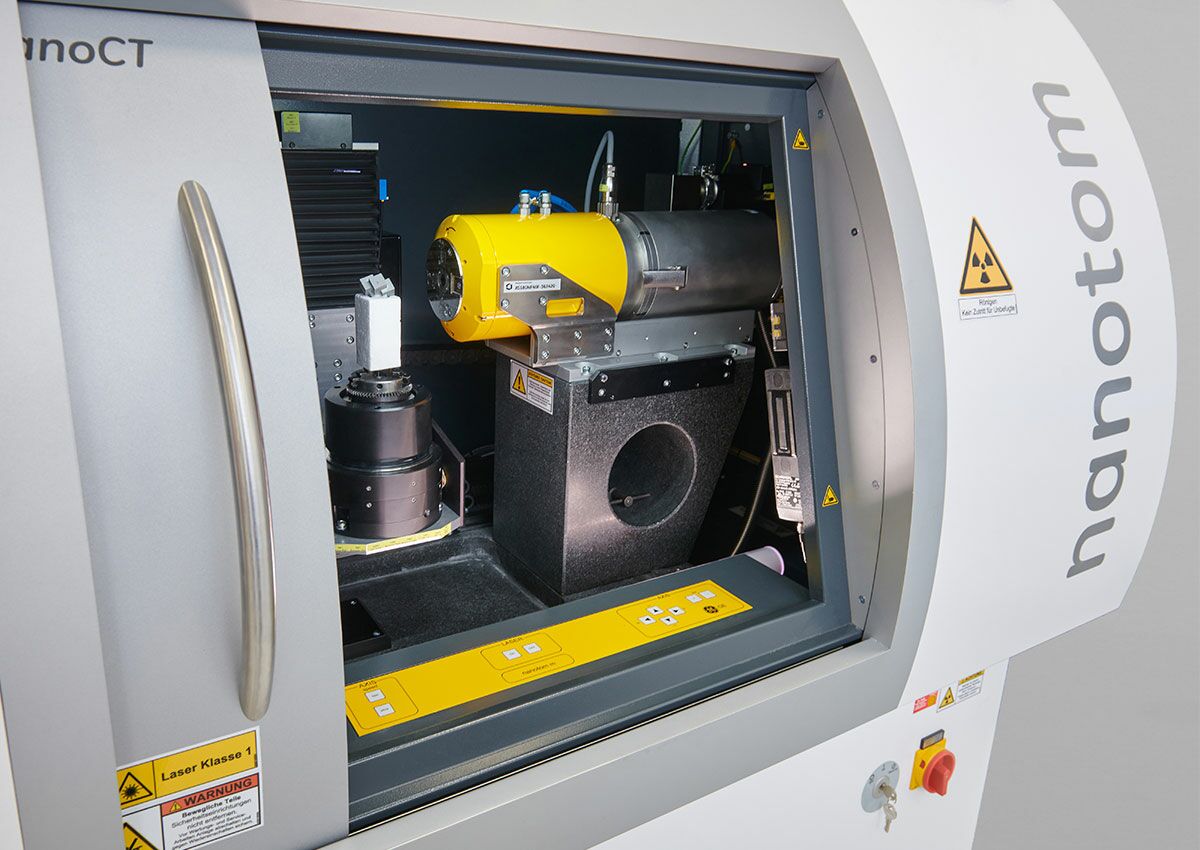
Industrial computed tomography (ICT)
Industrial computed tomography (ICT) permits contact-less, highly precise 3D measurement using X-ray scans. Both external geometries and internal structures are acquired without damaging the component. The measurement of complex workpieces with difficult-to-access cavities or areas is particularly advantageous. Material defects such as pores or cracks can also be detected.
How does 3D coordinate metrology work?
3D coordinate metrology acquires points on the surface of an object in a three-dimensional space defined by the X, Y and Z axes. For this purpose, the object is placed on a measuring table and the measuring device calibrated to guarantee precise measurements. Data can be acquired using both tactile metrology by means of a 3D coordinate measuring machine and optical metrology using 3D scanning.
Tactile Metrology
In tactile metrology, a stylus is guided along the surface of the object and touches several specific points. Each touch registers the exact position of the point in space. This technology can be divided into switching and measuring systems: switching systems register the touch of the stylus tip to determine whether a point has been reached, while measuring systems continuously detect and acquire the precise position of the point.
Evaluation of the data from tactile metrology
After data acquisition, the measurement points are evaluated based on specific geometric requirements. The 3D coordinates of the measurement points are compared with the nominal data in a software program to identify possible deviations. The most important tactile metrology analyses include nominal-actual comparison, the determination of geometric tolerances (GD&T) and statistical process control (SPC) to identify trends and deviations in production at an early stage. The data collected are documented in test reports, which serve as a basis for production decisions or optimization measures.
Optical 3D scanning
In 3D scanning, two cameras and a structured light pattern are used to acquire an object from different angles. The projector shines a pattern onto the object; this pattern helps with the acquisition of the depth and edges. The cameras take images and the software calculates the 3D coordinates of the points visible in both images.
Evaluation of the 3D data from optical scanning
These data are processed in specialized software programs, combined into a 3D model of the object and evaluated depending on the task. The 3D data can be used to visualize and document dimensional deviations and shape errors to ensure that the object meets quality standards. In reverse engineering, an existing component is acquired optically and a digital data model is created from these data.
Industrial computed tomography
In industrial computed tomography (ICT), an object is subjected to X-rays to acquire its internal and external structures in three dimensions. Specialized software processes these images and reconstructs a complete 3D volume model of the object. This technology permits the non-destructive inspection and analysis of complex components, including internal structures that cannot be reached using tactile or optical measurement methods.
Evaluation of the CT data
After acquisition, the CT data are evaluated in specialized analysis programs. Thanks to its high precision and the possibility of non-destructive analysis, industrial CT is a valuable addition to 3D coordinate metrology, especially for dimensional inspection, defect analysis and assembly inspection.
Applications for 3D coordinate metrology
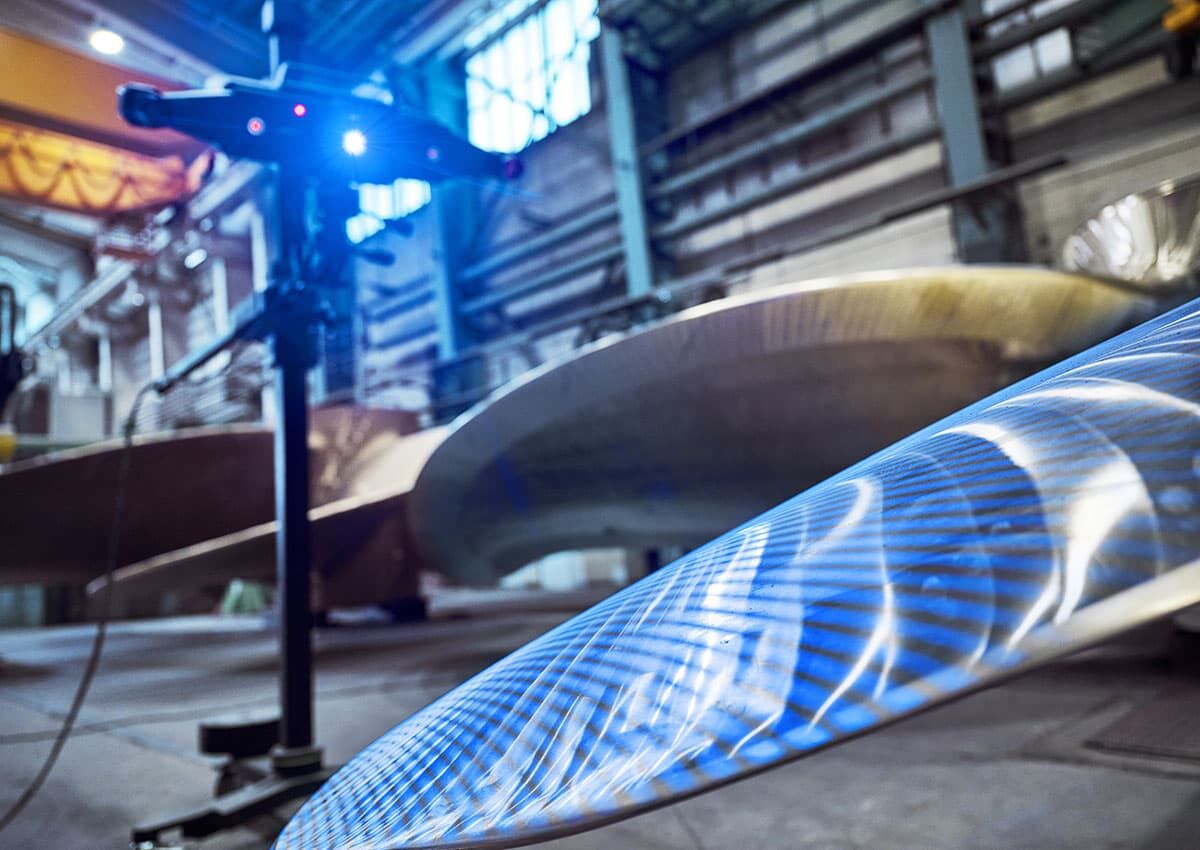
Prototype development
3D coordinate metrology is used in product development to measure prototypes or pre-series precisely and compare them with CAD models. This comparison enables deviations to be identified and corrected quickly before the product goes into series production.
Quality control in series production
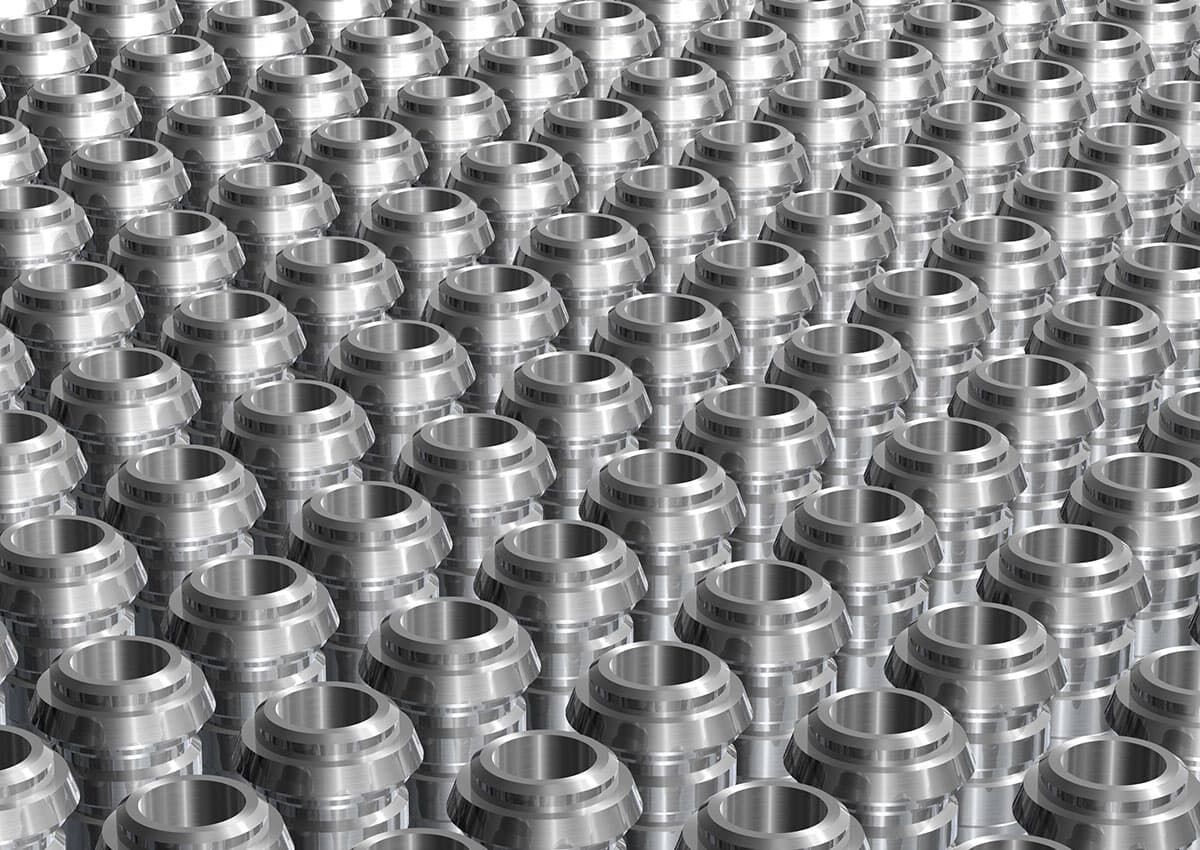
In series production, random sample measurements are carried out regularly to check the consistency and quality of the parts produced. 3D coordinate metrology ensures that all parts are within the specified tolerances.
Reverse engineering
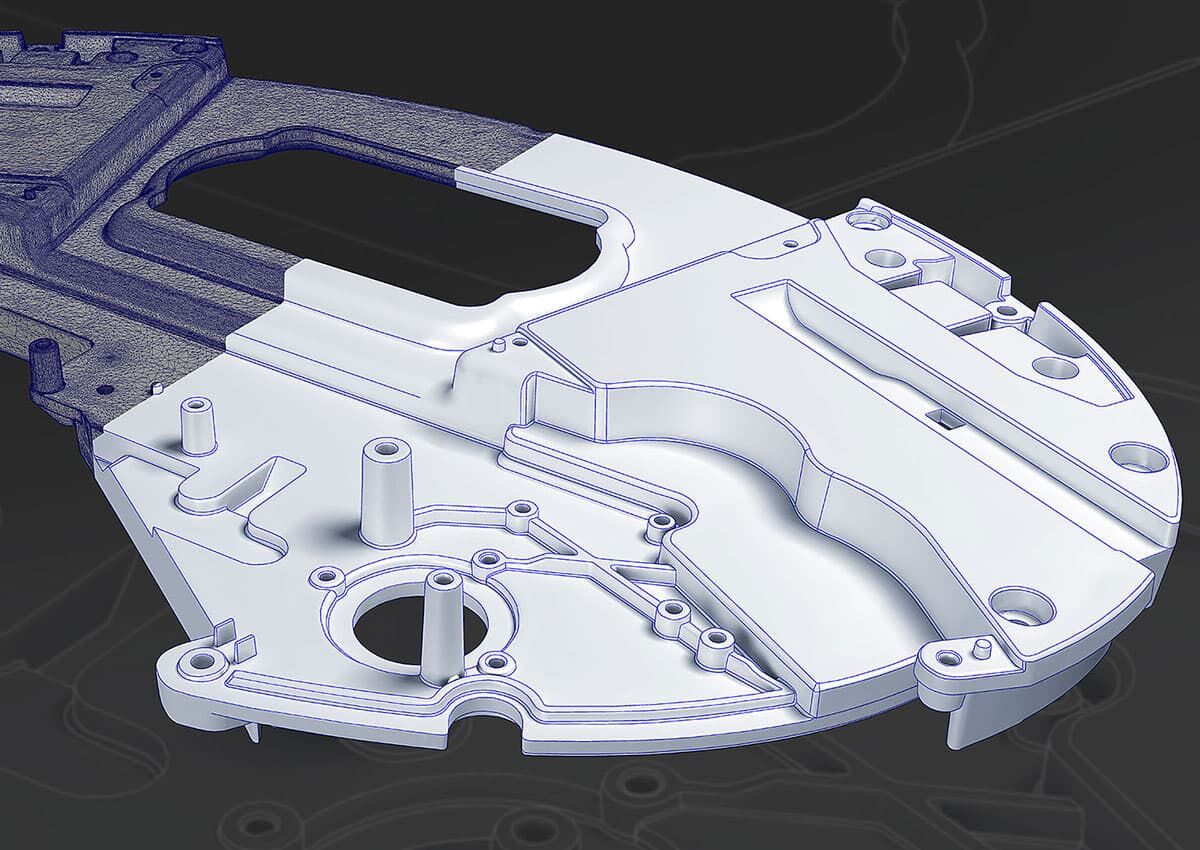
3D coordinate metrology is used in reverse engineering to measure existing components and create digital 3D models from them. These models can then be used to reproduce, modify or improve the design.
In which sectors is 3D coordinate measurement technology used?

Automotive
In the automotive industry, 3D coordinate metrology ensures precise production of components, provides a perfect fit during assembly and supports quality control to ensure that all components meet specifications.
Medical Technology
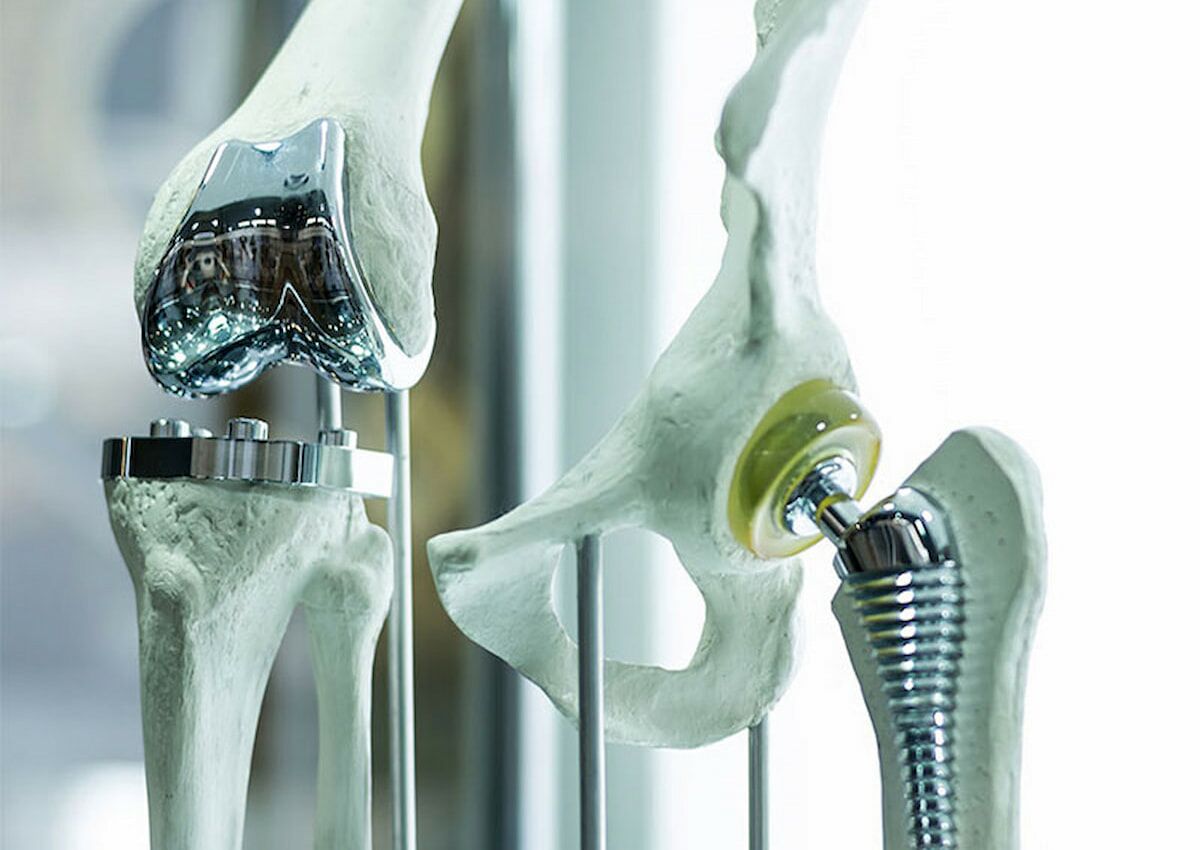
In medical technology, 3D coordinate metrology enables the precise customisation of prostheses and implants to individual patient requirements, improving the functionality and comfort of medical aids.

Aerospace
In the aerospace industry, 3D coordinate metrology is used to check the strict tolerances on complex components and to ensure the safety and performance of aircraft and spacecraft.
Machine tool and machinery manufacture
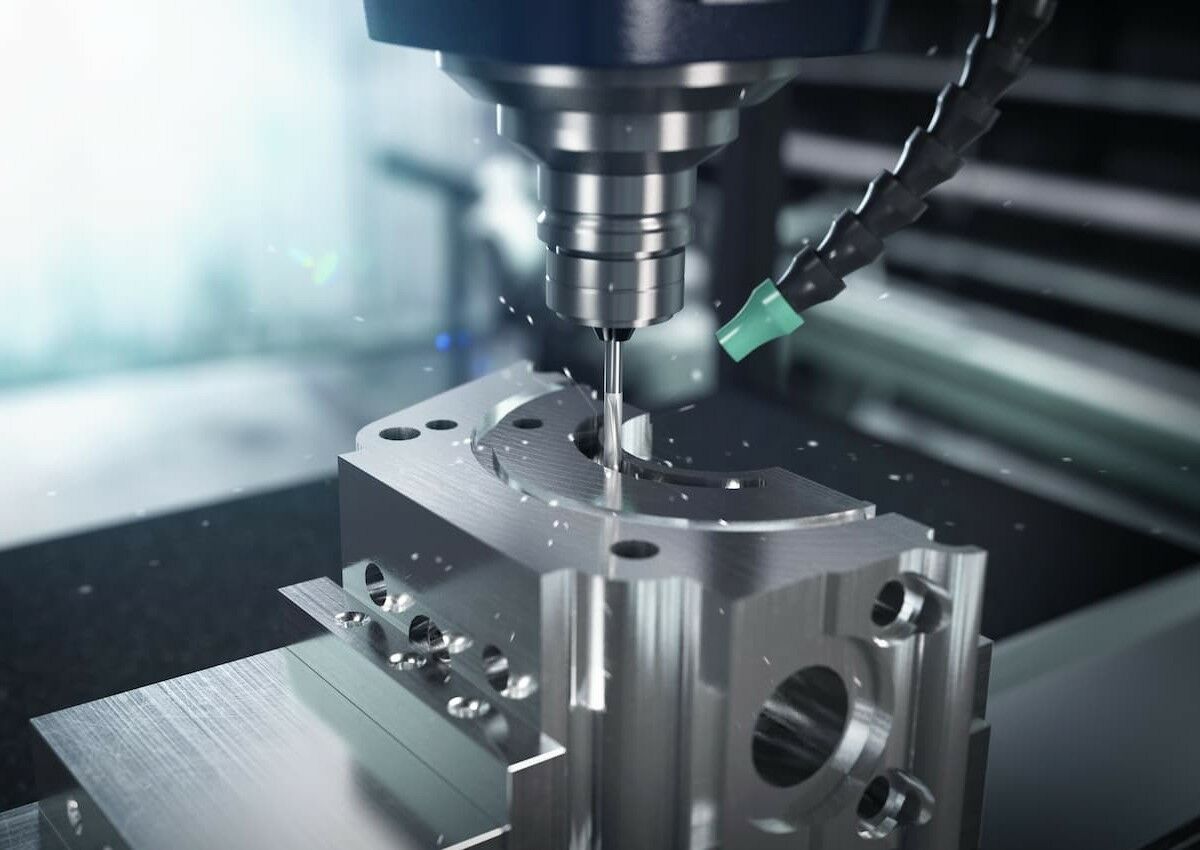
3D coordinate metrology is used in machine tool and machinery manufacture to check the accuracy of tools and systems. This aspect is important to ensure that the parts manufactured meet the required specifications.
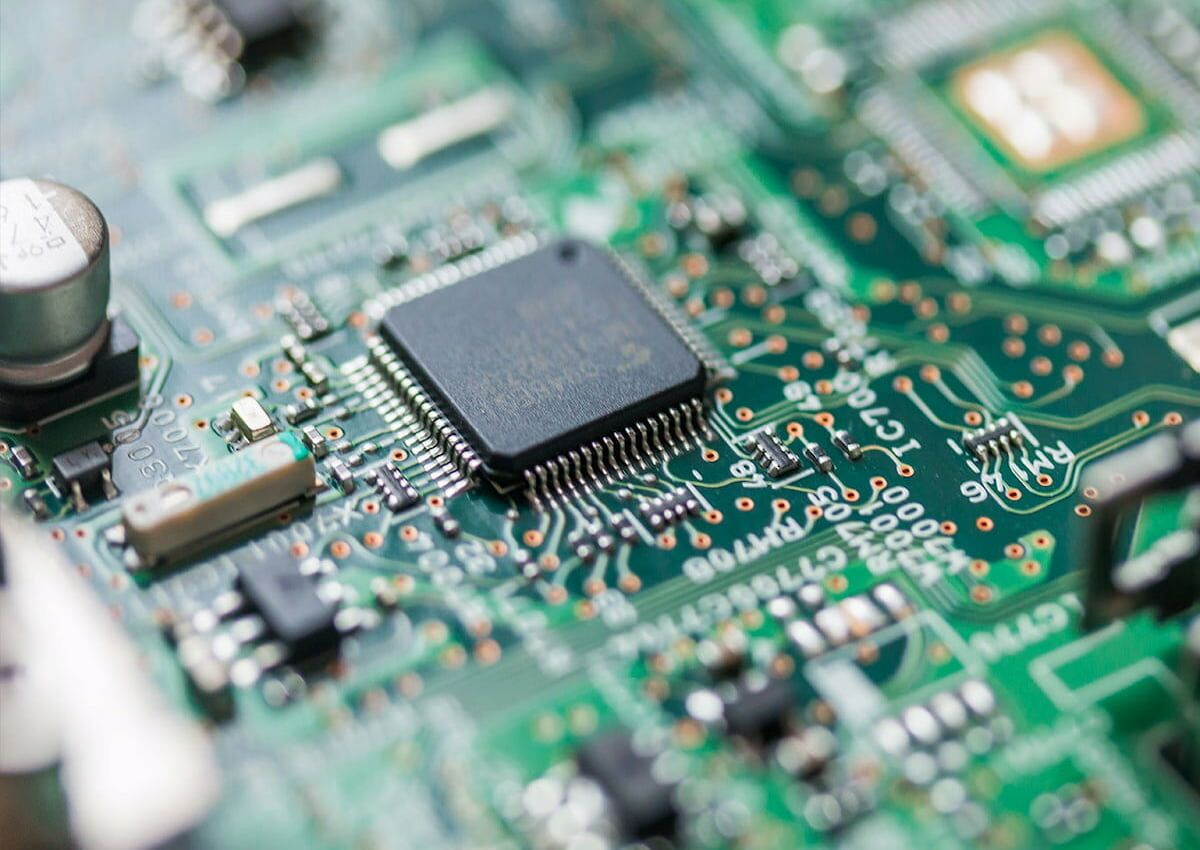
Electronics Manufacturing
In electronics manufacturing, 3D coordinate measurement technology is used to inspect printed circuit boards, enclosures, and electronic assemblies. Among other things, we check critical dimensions, form and position tolerances, trace widths, spacing, drill holes, and component positions. Using industrial computed tomography, we also visualize hidden solder joints, voids, and structural defects.
Battery Analysis and Energy Storage Systems
In the battery industry , 3D coordinate measurement technology supports the inspection of cell dimensions, electrode alignment, and assembly conditions. Using optical 3D scanning and industrial computed tomography, we detect dimensional deviations, deformations, and internal assembly defects that could compromise performance, service life, or safety.

Packaging Industry
In the packaging industry , 3D coordinate measurement technology complements material and ingredient analysis with geometric inspections. For example, we examine diameters, heights, positions, wall thicknesses, closure geometries, deformations, and mating surfaces. This allows dimensional deviations to be detected early on and ensures reliable product and tool approvals.
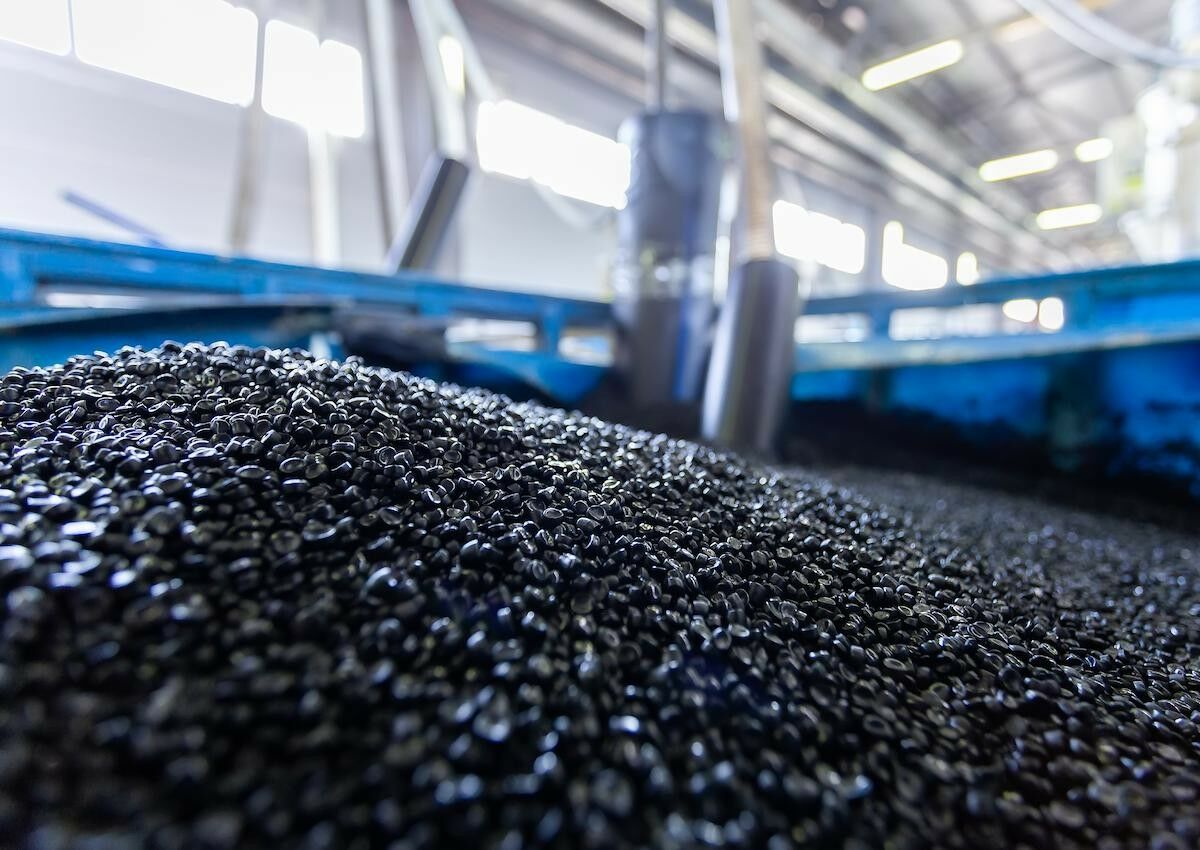
Plastics Industry
Shrinkage, warpage, and fluctuating process parameters can lead to significant geometric deviations in plastic components. Using tactile 3D coordinate measurement technology, we inspect standard geometries, free-form surfaces, and form and position tolerances—from individual measurements to mass production inspections. In addition, we perform CAD-nominal-actual comparisons, component qualifications, and initial sampling in accordance with VDA or PPAP specifications.

Security and Defence
For safety-critical components, dimensional accuracy, fit, and interchangeability must be reliably verified. Using tactile coordinate measuring technology, we inspect complex components and assemblies in accordance with standards and drawings. The documented measurement results provide a solid foundation for approvals, system integration, supplier evaluation, and traceable inspection processes.
Limits of 3D coordinate metrology
3D coordinate metrology acquires precisely the dimensions and positions of components, but has its limits. It provides only limited information about the surface characteristics and cannot provide any information about the material structure, load-bearing capacity or chemical composition of a component. These tasks require methods from materialography or chemical analytics.
In summary: 3D coordinate metrology
3D coordinate metrology ensures that components are manufactured precisely by checking the exact dimensions and shape of an object. Various measurement methods are used, such as industrial metrology, optical metrology or industrial computed tomography. These methods are indispensable in industries where high precision and quality assurance are required.